Linen Bedding Buying Guide
Linen Bedding Buying Guide is a textile guide for readers weighing thread feel, weight, wrinkling, washing, and warm-weather sleep. The home detail note explains what to check before buying, who should skip it, and where the purchase can become more work than it first appears.
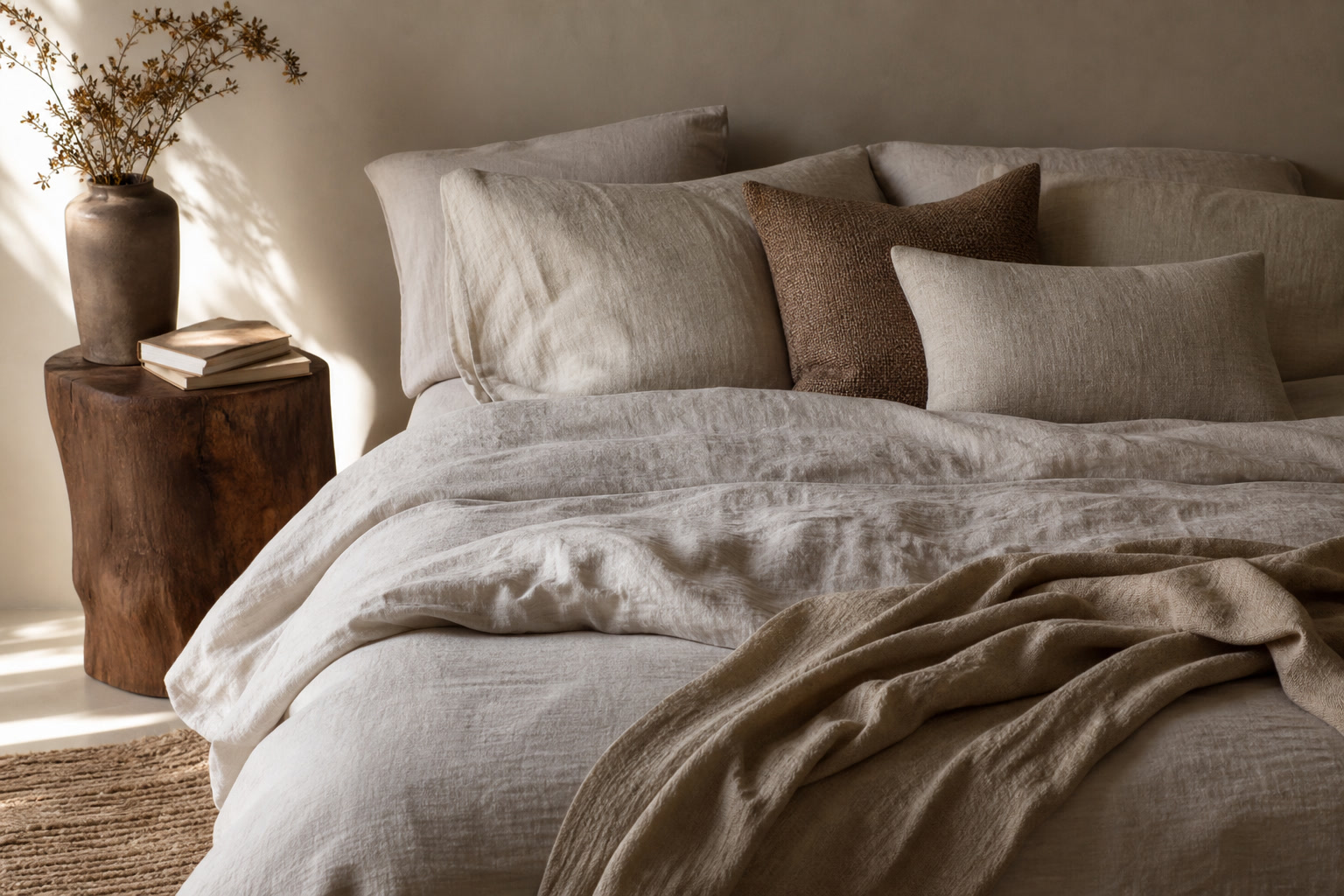
Linen bedding occupies a distinct, highly coveted space in the modern home, promising an aesthetic of low-fuss ease and a tactile experience that deepens with age. Yet, the transition from conventional cotton to woven flax represents a significant shift in both financial investment and household maintenance. The market is currently saturated with options ranging from heritage European mills to direct-to-consumer startups, all marketing the same vision of a perfectly rumpled, sun-drenched bed. Beneath the styling, however, linen is a complex agricultural product. Its performance, longevity, and texture depend entirely on the climate where the flax was grown, the method used to extract the fibers, and the specific finishing processes applied before the fabric reaches your mattress. Purchasing linen bedding requires moving beyond thread counts-a metric entirely irrelevant to flax-and understanding the structural realities of the material. A well-constructed linen sheet can outlast cotton by decades, growing increasingly supple with every wash cycle. Conversely, poorly processed linen will shed incessantly, degrade rapidly at the seams, and feel abrasive against the skin. This guide dismantles the marketing terminology surrounding linen bedding, examining the botanical properties, manufacturing standards, and necessary care protocols required to make an informed, enduring addition to your linen closet.
The Anatomy of Flax and Fiber Quality
The foundation of exceptional linen bedding lies in the agricultural origins of the flax plant (Linum usitatissimum). The most resilient, longest fibers are cultivated in the coastal band of Western Europe, stretching from Northern France through Belgium and into the Netherlands. This specific region offers a damp, temperate maritime climate and rich soil that allows the flax to grow tall and strong without the need for artificial irrigation. When evaluating linen, the distinction between 'European Flax' and linen manufactured elsewhere is critical. European-grown flax yields long-staple fibers, which are essential for spinning smooth, continuous yarns. Short-staple fibers, often sourced from drier climates or derived from the waste of the long-staple spinning process, require splicing together. These spliced yarns create weak points in the fabric, leading to premature tearing, excessive linting, and a coarse, scratchy texture that no amount of washing will fully resolve.
Following the harvest, the extraction of the fiber from the flax stalk dictates the structural integrity of the resulting yarn. The traditional and most ecologically sound method is dew-retting, where the pulled stalks are left in the field. The natural moisture of the coastal dew, combined with local microorganisms, breaks down the pectins binding the fibers together. This slow, natural decay preserves the tensile strength of the cellulose. Industrial alternatives, such as water-retting in tanks or chemical-retting, expedite the process but often weaken the fibers and strip them of their natural luster. Bedding woven from dew-retted, long-staple flax possesses an inherent durability that allows it to withstand decades of use, maintaining a subtle sheen and a heavy, fluid drape that inferior processing methods simply cannot replicate.
Because thread count is a metric designed for cotton, linen quality is measured by its weight, expressed in grams per square meter (GSM). For bedding, the ideal GSM occupies a narrow window between 160 and 190. Linen falling below 150 GSM is excessively sheer; while it may feel light and airy initially, it lacks the structural density required to withstand the friction of sleeping and the agitation of laundering, often resulting in worn patches and tears within the first year. Conversely, linen exceeding 200 GSM crosses into the territory of upholstery or heavy canvas. While virtually indestructible, this heavyweight linen feels stiff, traps too much heat, and requires a punishing break-in period. A GSM of 170 to 180 strikes the exact balance, offering enough heft to drape beautifully across the body while remaining highly breathable and resistant to abrasion.
The Softening Process and Textural Evolution
Raw linen is naturally stiff and highly structured, a characteristic that historically required months of use and rigorous washing to break down. To meet the modern demand for immediate comfort, manufacturers employ various pre-washing techniques. Stone-washing is the most traditional method, utilizing actual pumice stones in industrial machines to physically beat the fabric, relaxing the weave and softening the fibers. This creates the signature matte, slightly faded look and the immediate, pliable drape associated with luxury linen. However, aggressive stone-washing can also prematurely age the fabric, slightly reducing its overall lifespan. Alternative methods include enzyme-washing, which uses organic compounds to eat away at the microscopic protruding fibers, resulting in a smoother finish without the physical abrasion of stones. Understanding the pre-wash method helps set expectations for the initial texture out of the box.
Regardless of the pre-washing technique, linen bedding undergoes a continuous textural evolution throughout its life cycle. Unlike cotton sateen, which feels its silkiest on the first day and slowly degrades, linen requires a dedicated break-in period. During the first few months of use and laundering, the friction of water and tumbling causes the pectin bonds within the flax fibers to further relax. The fabric will gradually lose any residual crispness, transforming into a deeply supple, fluid material that molds to the body. This evolution is mechanical and cannot be rushed by chemical fabric softeners, which actually coat the fibers in silicone, destroying their breathability and preventing the natural softening process from occurring.
The visual aesthetic of linen is inseparable from its texture. The inherent rumple of the fabric is a feature of the flax fiber's low elasticity; once bent or folded, it does not naturally spring back into a perfectly flat state. This creates a relaxed, organic topography across the bed that catches light and shadow. Attempting to iron linen bedding flat is a sisyphean task that contradicts the purpose of the material. The presence of 'slubs'-small, raised knots or thicker sections of yarn-is also a natural characteristic of woven flax, not a defect. These slubs add to the tactile richness of the fabric, providing a subtle, earthy texture that distinguishes genuine linen from synthetic imitations or highly processed cotton blends.
Thermoregulation and Sleep Climate
Linen is frequently categorized strictly as a summer fabric, a reputation built on its exceptional cooling properties. The mechanics of this cooling effect are rooted in the microscopic structure of the flax fiber itself. Each fiber features a hollow core, which allows for rapid air circulation and acts as a natural ventilation system. Furthermore, linen is highly hydrophilic, capable of absorbing up to 20 percent of its own weight in moisture before it even begins to feel damp to the touch. As the body perspires during sleep, the linen actively draws this moisture away from the skin, pulling it into the hollow fibers and rapidly dispersing it into the ambient air. This continuous cycle of wicking and evaporation prevents the clammy, trapped heat sensation often experienced with synthetic bedding or high-thread-count, tightly woven cottons.
The same hollow core that facilitates summer cooling also provides surprising insulation during colder months. When layered beneath a heavy duvet or a wool blanket, the air trapped within the flax fibers acts as a thermal buffer, retaining body heat without causing overheating. This dynamic thermoregulation makes linen a highly effective year-round bedding choice, adapting to the microclimate of the bed rather than imposing a static temperature. The slight, comforting weight of a 170 GSM linen sheet also provides a sense of grounding and security, mimicking the effects of a very light weighted blanket, which contributes to a deeper, more restful sleep architecture.
The tactile experience of sleeping in linen is entirely distinct from the smooth, liquid slip of silk or the crisp, snapping tension of hotel percale. Linen offers a dry, slightly textured embrace. It does not cling to the body; rather, it drapes over it, creating small pockets of air between the skin and the fabric. This structural drape ensures that air is constantly moving across the body, making it an ideal choice for hot sleepers, those experiencing night sweats, or individuals living in highly humid environments where cotton sheets tend to absorb moisture and remain uncomfortably wet throughout the night.
Maintenance Realities and Longevity
The longevity of linen bedding is heavily dependent on strict adherence to specific laundering protocols. Flax fibers are remarkably strong when wet, but they are highly susceptible to damage from intense heat and harsh chemicals. Linen must be washed in lukewarm or cold water using a mild, liquid detergent. Powders can leave residue in the hollow fibers, while detergents containing optical brighteners, heavy enzymes, or bleach will actively degrade the cellulose, causing the fabric to thin and eventually tear. The mechanical action of the washing machine should be gentle; overloading the drum creates excessive friction, which can cause the fibers to break and pill. A spacious, gentle cycle allows the water to flow freely through the open weave, effectively cleaning the fabric without subjecting it to unnecessary stress.
Drying linen requires equal care and represents the most common point of failure in household maintenance. High heat is the enemy of flax. Baking linen in a hot dryer strips the fibers of their natural moisture, rendering them brittle and prone to shattering. This shattering manifests as excessive lint in the dryer trap and a dusty residue on the bedroom floor. Linen should be tumble-dried on the lowest possible heat setting and removed while still slightly damp to the touch. Air-drying the sheets for the final stage of the process preserves the integrity of the fibers and enhances the natural, breezy scent of the material. If line-drying outdoors, colored linen should be kept out of direct, intense sunlight to prevent rapid fading.
New linen bedding, particularly pieces that have been stone-washed, will undergo a shedding phase during the first few wash cycles. This is a normal shedding of the microscopic fiber ends loosened during the manufacturing process. However, the volume and duration of this linting serve as a clear indicator of the linen's quality. High-quality, long-staple linen will shed moderately for three to five washes before stabilizing. Conversely, bedding woven from cheap, short-staple fibers will continue to shed aggressively for months, clogging dryer vents and slowly disintegrating until the sheets become threadbare. Understanding this initial maintenance phase prevents panic during the first wash and highlights the necessity of investing in long-staple European flax.
Pre-purchase checklist
- Verify the fabric weight falls within the ideal bedding range of 160 to 190 GSM.
- Check for European Flax or Masters of Linen certification to ensure long-staple fiber quality.
- Inspect the seams for double-stitching or French seams to prevent fraying under tension.
- Confirm the presence of OEKO-TEX Standard 100 certification to guarantee the absence of harmful chemical residues.
- Examine closure hardware on duvet covers, ensuring buttons are thick, durable, and securely anchored.
Who should skip this
Those who crave the crisp, cool snap of hotel percale or the liquid drape of silk sateen should avoid linen. If ironing your sheets brings you peace, or if you despise the sight of a rumpled, organically textured bed, linen will only cause frustration. Additionally, households relying on high-heat industrial laundering or heavy chemical detergents should skip flax, as intense temperatures and harsh enzymes will rapidly degrade the fibers.
Affiliate transparency
FikaLooks operates on a reader-supported model. If you purchase through links in our textile guides, we may earn a commission. We do not accept payment for placement, ensuring our material analyses remain strictly independent.
FAQ
Why is my new linen bedding shedding so much in the dryer?
Initial shedding is a standard part of the break-in process, especially for stone-washed linen. The mechanical softening loosens microscopic fiber ends, which detach during the first few tumble dries. High-quality, long-staple linen will stabilize after three to five washes. If heavy shedding persists beyond a few months, it indicates the bedding was woven from inferior, short-staple fibers that are actively breaking apart.
Does linen bedding stretch out between washes?
Yes, flax fibers have very low elasticity. As you sleep on the bedding, the friction and body heat cause the weave to relax and expand, making the sheets feel slightly looser and more draped after a few days. Washing the linen in water causes the fibers to contract again, resetting the weave to its original dimensions.
Can I bleach white linen sheets to keep them bright?
Chlorine bleach should never be used on linen. Bleach aggressively attacks the natural cellulose structure of the flax fiber, causing it to become brittle, turn yellow, and eventually tear. To brighten white linen, use an oxygen-based bleach alternative or simply dry the sheets outdoors in direct sunlight, which acts as a natural, gentle bleaching agent.
Is a higher thread count better for linen?
Thread count is a marketing metric designed for cotton and is entirely irrelevant to linen. Flax fibers are significantly thicker than cotton yarns, meaning a high-quality piece of linen will naturally have a much lower thread count (often around 80 to 120). Instead of thread count, evaluate linen by its weight in grams per square meter (GSM), aiming for 160 to 190 GSM for optimal bedding.