Hosting Table Basics
Hosting Table Basics is a entertaining checklist for readers weighing serving flow, linens, glassware, and table pieces that repeat. The home detail note explains what to check before buying, who should skip it, and where the purchase can become more work than it first appears.
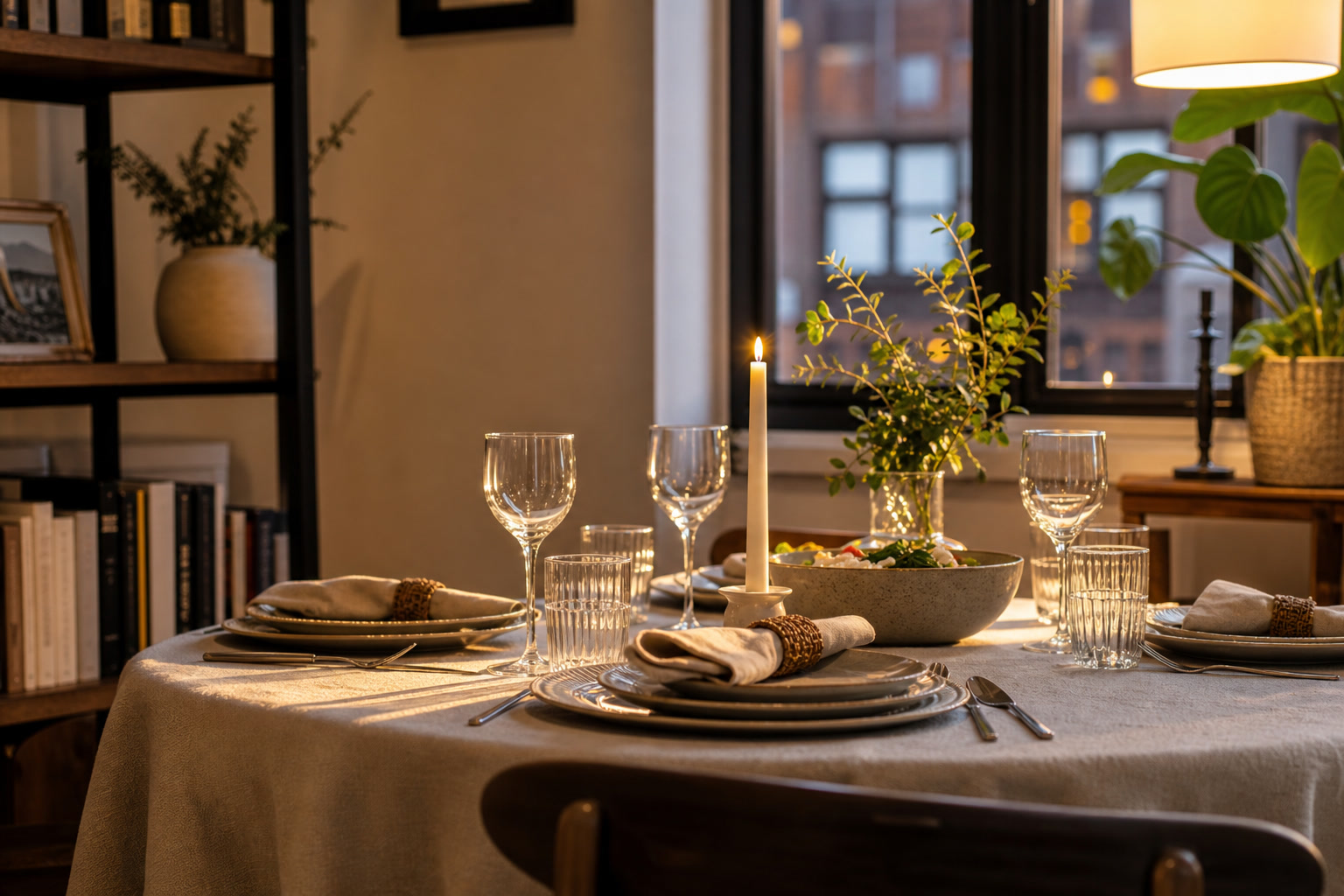
Hosting a dinner should not feel like executing a restaurant service exam. The most memorable evenings are defined by a relaxed pacing and tactile comfort, rather than rigid symmetry and pristine, heavily starched surfaces. Building a foundational hosting table requires a strategic shift away from high-maintenance formality toward materials that absorb the inevitable chaos of a shared meal. This means selecting textiles that look better with a slight rumple, glassware that serves multiple purposes without feeling like a compromise, and centerpieces that facilitate eye contact rather than obstructing it. A successful table setting operates quietly in the background, anchoring the room visually while dampening the clatter of silverware. By focusing on the behavior of washed linen, the structural stability of low-profile vessels, and the long-term storage realities of your drinkware, you can assemble a collection that transitions without fuss from a quiet Tuesday supper to a crowded weekend gathering, entirely removing the friction and performance anxiety from the act of inviting people into your home.
Placemats and Table Linens: Material Behavior and Maintenance
The era of the stiff, heavily starched damask tablecloth has largely passed, replaced by the tactile forgiveness of washed linen and heavyweight ribbed cotton. When selecting placemats or runners, the primary consideration is material behavior under duress. Pure, unblended linen possesses a natural friction that keeps plates anchored and dampens the acoustic clatter of dining. More importantly, washed linen embraces a rumpled texture that inherently hides minor wrinkles and the slight imperfections of a lived-in table. Unlike synthetic blends that pill over time or crisp cottons that demand aggressive ironing to look presentable, a heavy-weight linen placemat only requires a smooth out with damp hands while drying to maintain its relaxed, organic structure.
Maintenance burden is the hidden cost of any table textile. Red wine, olive oil, and turmeric are the inevitable antagonists of a good dinner party. While pristine white mats offer a classic gallery-blank aesthetic, they require immediate, aggressive spot-treating and often regular bleaching, which degrades natural fibers over time. Conversely, dark or heavily patterned mats can visually clash with the presentation of the food itself. The most resilient compromise lies in mid-tone neutrals-oatmeal, sage, muted terracotta, or chambray blue. These shades camouflage slight, stubborn discolorations while keeping the table visually grounded. If a spill occurs, a quick dab of dish soap before tossing the linen into the hamper is usually sufficient triage until laundry day.
Storage requirements should dictate your final selection. Linen and cotton placemats should ideally be stored flat or gently rolled; folding them creates hard creases that require a steamer to remove before guests arrive. If your dining room lacks wide, shallow drawers, rolling them in a dedicated basket is the most space-efficient solution. If the prospect of any laundering or ironing is a strict dealbreaker for your routine, skip textiles entirely. Woven extruded vinyl mats offer a wipeable, highly durable alternative. However, ensure you select matte, tightly woven finishes rather than shiny plastics, as the latter will reflect overhead lighting poorly and sacrifice the soft acoustic dampening that textiles provide during a noisy, animated dinner.
Drinkware Consolidation: Glasses for Water, Wine, and Beyond
The traditional approach to glassware involves purchasing highly specific vessels for every conceivable beverage: Bordeaux balloons, Burgundy bowls, champagne flutes, coupes, highballs, and double old-fashioneds. For a low-stress, modern table, this approach is both financially inefficient and a storage nightmare. Consolidation is the key to an adaptable table. A universal wine glass-characterized by a moderately wide bowl to allow aeration and a gently tapered rim to concentrate aromas-works exceptionally well for both robust reds and crisp whites, and can easily accommodate a spritz. When evaluating glassware, pay attention to the tactile experience of the rim; a cold-cut, thin rim feels significantly more refined against the lip than a thick, rolled edge, though it does introduce a higher fragility trade-off.
Water glasses act as the visual and physical anchor of the place setting. If your universal wine glasses are delicate and thin-stemmed, the water glass should provide a counterweight. A sturdy, stackable tumbler or a low-stemmed, heavy-footed goblet prevents the table from looking overly fragile and precarious. Textured glass-such as ribbed, fluted, or subtly seeded variations-serves a highly practical purpose here: it masks fingerprints, condensation rings, and the slight hard-water spots that inevitably occur in the dishwasher. Furthermore, a slightly tinted water glass in amber, smoke, or olive green can inject a layer of depth into an otherwise neutral table setting without competing with the color of the wine.
The post-dinner washing routine is a primary source of hosting fatigue. Hand-washing delicate crystal at midnight is an entirely avoidable chore. Prioritize dishwasher-safe borosilicate or tempered glass for your foundational set. Before purchasing, measure the vertical clearance of your kitchen cabinets and your dishwasher's top rack; a beautiful, long-stemmed glass becomes a daily frustration if it must be stored horizontally or washed by hand. Additionally, when ordering glassware online, the return risk is high due to shipping breakage. Always inspect every piece immediately upon arrival, running a finger carefully along the rims to check for micro-chips, and retain the original corrugated packaging until you are absolutely certain of the set's integrity.
Vessels and Centerpieces: Maintaining Clear Sightlines
The most common structural error in table setting is the towering floral centerpiece. While visually striking upon entry, a tall arrangement immediately blocks conversation, forcing guests to lean awkwardly around a wall of hydrangeas to make eye contact. The strict rule for a low-stress table is the low-profile vessel: nothing should sit higher than a forearm resting horizontally on the table. Ikebana bowls with pin frogs, low ceramic troughs, or a scattered cluster of three to five small bud vases allow for dynamic, interesting floral moments that remain entirely below the conversational sightline. This modular approach also allows you to stretch a modest grocery-store bouquet across the entire length of the table.
Material choices for these vessels carry specific maintenance risks. Unglazed ceramics, such as raw terracotta or bisque, offer beautiful, matte, earthy textures that contrast well with smooth glassware. However, they carry a high risk of microscopic water seepage. Over the course of a three-hour dinner, a slow, invisible seep can permanently ruin a wooden table finish or leave a stubborn ring on a linen runner. Always opt for vessels with fully glazed interiors, or use a hidden glass insert within porous ceramics. Metal vessels, particularly brass and silver, introduce a different burden: tarnish. Unless you genuinely enjoy the meditative act of polishing metal before guests arrive, stick to glass, glazed ceramic, or sealed wood for your foundational pieces.
If sourcing and arranging fresh flowers feels like an unnecessary chore on the day of a dinner party, pivot to alternatives that offer longevity. Foraged branches, dried allium heads, or even a shallow, wide bowl piled high with seasonal produce-artichokes, pomegranates, or lemons with their leaves still attached-provide excellent structural interest and vibrant color without the wilting risk. These organic elements can sit on the dining table all week, requiring zero water changes, and transition cleanly from your everyday morning coffee routine to a fully set weekend hosting table, completely eliminating the last-minute florist run.
The Low-Stress Arrangement Strategy
A successful table arrangement relies heavily on visual pacing and the deliberate use of negative space. The danger of overcrowding is real; if the center of the table is densely packed with candles, floral bowls, salt cellars, and decorative objects, there will be absolutely no physical room to place the actual food platters or wine bottles when the meal begins. This is where the strategy of modular, scatterable arrangements proves invaluable. By using several small, independent elements rather than one massive centerpiece, you retain the flexibility to quickly shift a bud vase or a candle to the sideboard to accommodate a large roasting pan or a salad bowl without destroying the aesthetic cohesion of the table.
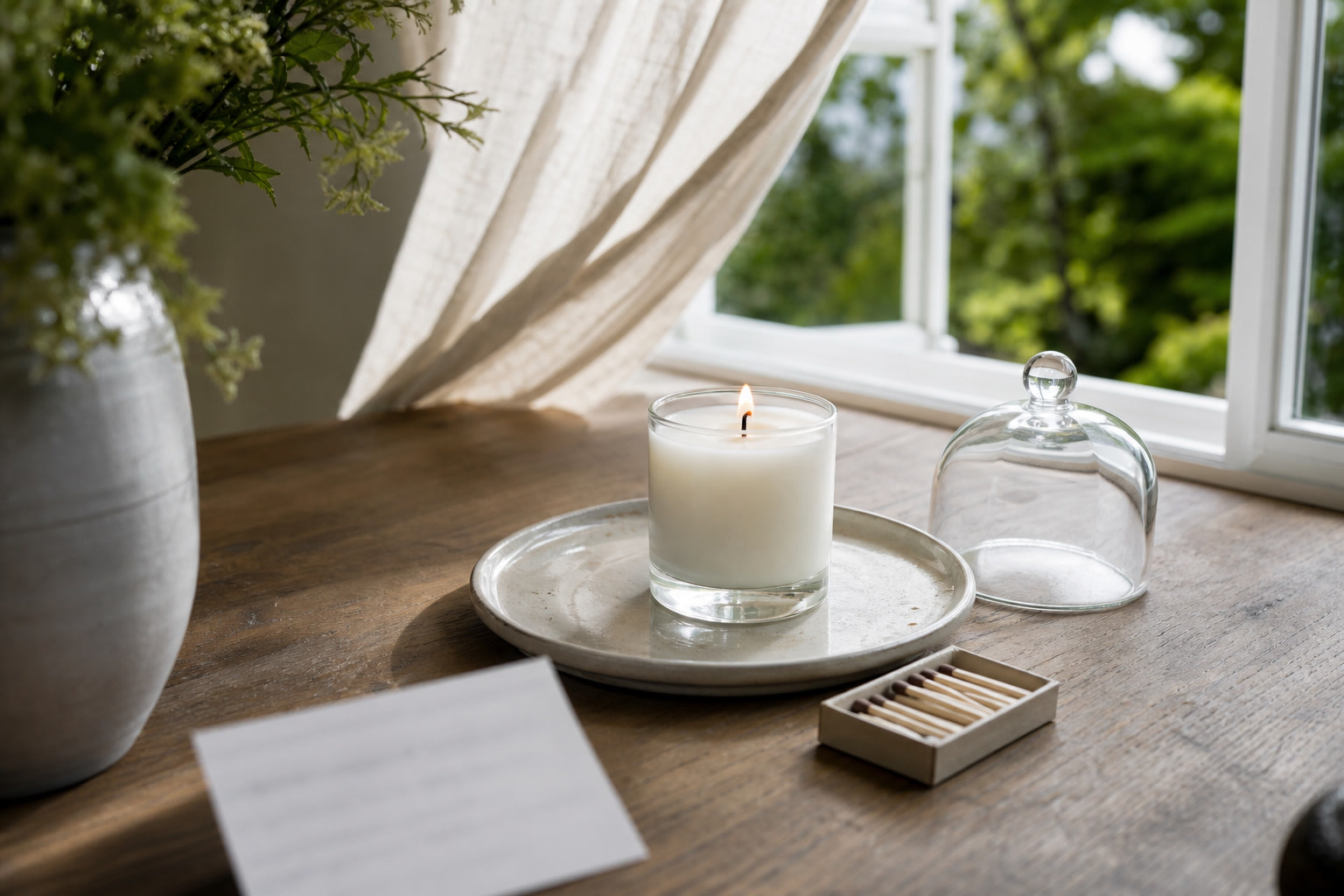
Lighting fundamentally alters the texture of a meal, but it must be managed carefully. Tall taper candles are incredibly atmospheric, casting a flattering, diffuse glow, but they are highly susceptible to drafts and will inevitably drip. Scraping hardened beeswax off a porous wooden table or attempting to iron it out of a linen runner is a miserable post-party task. To mitigate this, always use glass hurricane sleeves over tapers, or ensure your candle holders have wide, deep catch-plates. Alternatively, high-quality, heavy-bottomed glass votives cast a beautiful, low-angled light across the table without the fire hazard or the wax mess when a guest inevitably reaches across the table for the bread basket.
Aim for an 'uncatered' aesthetic. Rigid symmetry and overly formal touches often make guests feel stiff and hyper-aware of their manners. Avoid tying napkins into elaborate knots or folding them into structural origami; instead, fold them loosely in half and drape them under the fork or horizontally across the plate. Let the natural drape of the fabric do the work. Place the silverware neatly but without measuring the distance from the table edge. The goal is to create an environment that looks intentionally cared for but distinctly belongs in a home, not a banquet hall. This aesthetic leniency reduces the pressure on you as the host to achieve perfection and subconsciously signals to your guests that they can relax, drop a crumb, and linger over their wine.
Post-Dinner Routine and Long-Term Investment
The immediate aftermath of a dinner party requires a strict triage routine to prevent permanent damage while allowing you to actually go to sleep. Not everything needs to be cleaned at midnight. Glassware containing the dregs of red wine should be rinsed with warm water to prevent purple staining at the bottom of the bowl, but loading and running the dishwasher can wait until morning. Linens that have suffered direct hits from oil or dark sauces need a quick, targeted application of dish soap or an enzyme stain remover, but the actual washing machine cycle can be delayed. Establishing this strict five-minute triage boundary ensures your investments are protected without extending your hosting duties into the early hours of the morning.
Understanding how your materials will age is crucial for long-term satisfaction. High-quality linen will soften, lose its initial crispness, and perhaps fade slightly in areas of heavy washing; this is the desirable patina of a well-used dining room, not a manufacturing defect. Glassware, regardless of its quality, will eventually suffer casualties. When building your foundational set, it is imperative to choose open-stock collections from established manufacturers rather than limited seasonal runs from fast-fashion home brands. This ensures that when a single wine glass shatters three years from now, you can purchase an exact replacement rather than being forced to buy an entirely new set of eight because the original line was discontinued.
Before investing heavily in a massive hosting haul, conduct a ruthless audit of your dining room and kitchen storage. The most beautiful placemats will become a nuisance if you have nowhere to store them flat. Do you have the vertical clearance for tall candlesticks? Are your cabinets deep enough for large, shallow serving bowls? If space is tight, prioritize items that pull double duty. Water tumblers should be pleasant enough to use for your daily iced coffee. Shallow serving bowls should act as fruit centerpieces during the week. By demanding that your hosting basics serve your daily life as well, you justify the investment and ensure these objects don't gather dust in a forgotten cabinet for 350 days of the year.
Pre-purchase checklist
- Measure the vertical clearance of your upper kitchen cabinets and dishwasher rack before purchasing stemmed wine glasses.
- Test the drawer fit for linen placemats to determine if they can be stored flat or if they must be rolled to avoid hard creases.
- Verify that unglazed ceramic vases have a fully glazed interior or a glass insert to prevent slow water seepage onto wooden tables.
- Sit at your dining table and ensure that all planned centerpieces and floral arrangements fall completely below your natural eye level.
- Confirm that your chosen glassware is sold as open-stock rather than in seasonal sets to guarantee easy replacements for future breakages.
Who should skip this
Those who rarely host more than two people, or individuals living in apartments with zero dedicated dining storage, should entirely skip the traditional hosting setup. If your dining table frequently doubles as your home office desk or a prep station, investing in high-maintenance linen placemats, delicate crystal stemware, and dedicated centerpieces will only introduce daily friction and clutter. Skip the formal, single-use items. Instead, redirect that budget toward high-quality, everyday stoneware plates that resist chipping, and durable, stackable bistro glasses that can withstand the dishwasher and constant, rough handling. Your focus should be on improving your daily, solitary rituals with robust materials, rather than storing fragile items for a hypothetical dinner party that happens once a year.
Affiliate transparency
FikaLooks maintains strict editorial independence. We do not accept payment for placement in our guides. If you purchase through our links, we may earn a commission, which funds our independent material research and long-term wear testing.
FAQ
How do I safely remove hardened candle wax from a linen runner or placemat?
Do not attempt to rub or wash wet wax. Place the linen in the freezer for an hour until the wax is brittle, then gently scrape off the bulk with a dull butter knife. For the remaining residue, place a brown paper bag or paper towel over the spot and press a warm iron over it; the paper will absorb the melted wax. Treat any remaining color stain with a standard enzyme laundry pre-wash before laundering.
Are woven vinyl placemats visually acceptable for a nice dinner, or do they look too cheap?
Woven vinyl can look incredibly sophisticated if you choose the right finish. The key is to avoid anything shiny, printed, or overtly plastic-looking. Opt for tightly woven, matte finishes in complex, multi-tonal neutrals (like those pioneered by brands like Chilewich). They provide excellent texture and grounding for the plate while being entirely wipeable, making them an excellent choice for hosts who despise laundry.
Can I mix different styles of wine glasses if I don't have enough of one set for all my guests?
Yes, mixing glassware is perfectly acceptable and often adds a relaxed, eclectic charm to the table. To keep the setting from looking entirely chaotic, maintain uniformity in at least one element. For instance, use mismatched vintage wine glasses, but anchor every place setting with an identical, sturdy water tumbler. This provides enough visual structure to show that the arrangement is intentional, not accidental.
How can I prevent water rings if I want to use a porous terracotta vase on a wooden table?
Raw terracotta and bisque ceramics will almost always sweat or seep over time. Never place them directly on bare wood. You can use a thin, discreet cork mat cut slightly smaller than the base of the vase to absorb moisture. Alternatively, the safest method is to find a cheap, straight-sided glass jar that fits inside the ceramic vessel and hold the water and flowers in that, keeping the ceramic entirely dry.