Printify for Creator Merch and Small Brand Drops
Printify for Creator Merch and Small Brand Drops is a revenue tool note for readers weighing print-on-demand merchandise, sample orders, margins, fulfillment, and brand fit. The creator-operations decision note explains what to check before buying, who should skip it, and where the purchase can become more work than it first appears.
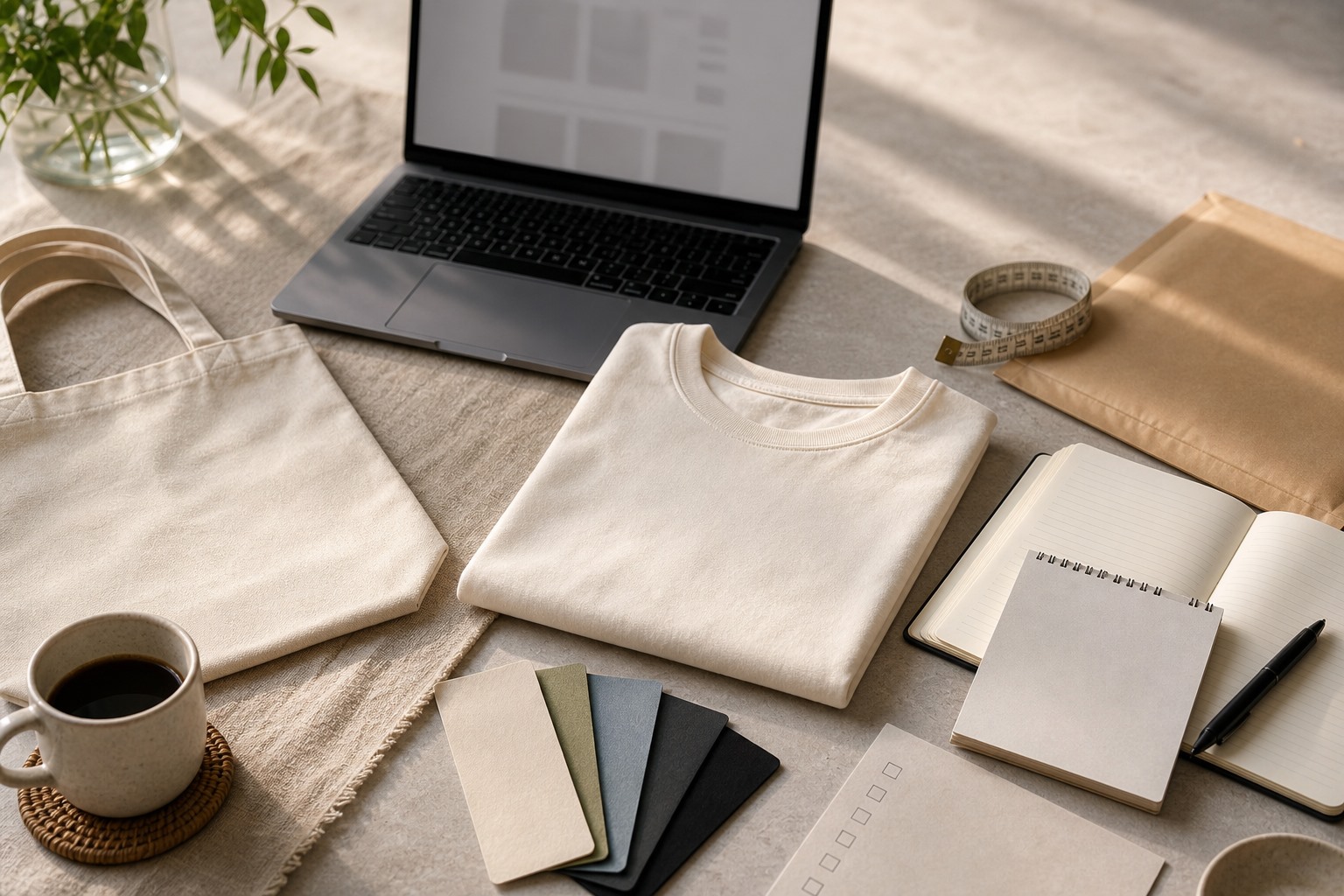
A style creator does not need a merch store just because readers like her taste. Physical products only make sense when they extend a clear editorial promise: a tote tied to a slow-shopping checklist, a printed planner for wardrobe resets, a small run of tees for a challenge, or simple goods that make a community feel more tangible without turning the site into a souvenir shop. Printify sits in the print-on-demand lane, which means a creator can test merchandise without buying boxes of inventory first. That is useful, but it is not magic. The real decision is whether the audience, product choice, margin, shipping expectation, and support load are strong enough to justify adding a physical product layer to a content business. This review looks at Printify from the FikaLooks angle: creator merchandise and small lifestyle-brand drops, judged by sample discipline, brand fit, and whether the numbers still work after the practical costs are visible.
Where Printify Fits for a Creator Brand
Printify is most useful when a creator already has an audience signal. That signal might be repeated requests for a wardrobe worksheet, readers asking for a tote used in styling videos, a newsletter community that wants a small seasonal object, or a digital product that would make sense as a printed companion. Without that signal, a print-on-demand store can become another empty shelf on the internet.
The appeal is simple: the creator can design a product, connect it to a store, and have production handled after an order is placed. That removes the pressure to predict sizes, color demand, and order volume before a launch. For a small brand, this can be the difference between testing an idea and holding inventory that later has to be discounted or stored in a spare room.
The limitation is just as important. Printify does not decide what belongs in the brand. It gives access to products and production partners, but the creator still has to choose a small, coherent offer. A FikaLooks-style site should not suddenly sell every printable object because the catalog allows it. One tight product with a clear reader use is stronger than a crowded merch page that feels detached from the editorial point of view.
Samples, Product Choice, and Quality Control
The first serious step is ordering samples. A mockup can make a shirt, tote, mug, or notebook look clean on screen, but the reader receives the physical object. Fabric weight, print placement, color shift, stitching, shrinkage, packaging, and hand-feel all matter. A creator who would never recommend a dress without checking the fabric should not sell a tee without washing and wearing a sample.
Print-on-demand quality can vary by product type and production partner, so the test should be product-specific rather than platform-wide. A tote may be acceptable while a sweatshirt feels wrong for the brand, or one print provider may handle pale artwork better than another. The useful habit is to build a small sample log: product, provider, size, base color, print method, shipping time, packaging condition, wash result, and whether you would be comfortable putting your name beside it.
This is also where the brand edit has to stay narrow. For FikaLooks, the strongest candidates would be practical objects connected to existing reader behavior: a tote for errands and returns, a printed wardrobe-planning notebook, a low-key tee for a recurring challenge, or a small desk object for creators. Products that require luxury fit, precise tailoring, or unusually rich materials are usually a poor fit for print-on-demand because the tactile standard is too high.
Margins, Shipping, and the Support Load
The public retail price is not the margin. Before launching, a creator has to subtract production cost, shipping assumptions, platform fees, payment fees, discounts, taxes where relevant, replacement orders, and the time spent answering support questions. A product that looks profitable in a mockup can become thin once a reader needs a size exchange, a package arrives late, or a discount code cuts into the sale.
Shipping deserves special attention because it affects trust more than the creator expects. Readers may understand that a small brand is not a warehouse, but they still need clear delivery expectations before checkout. If shipping times vary by item, market, or provider, the product page should say that plainly. Vague delivery language creates the kind of disappointment that hurts a reader relationship faster than a missed affiliate click.
Returns are the second pressure point. Print-on-demand products are often harder to treat like ordinary retail inventory, because the item is made after purchase. That does not remove the creator's responsibility to communicate clearly. Size charts, product photos, care notes, support contact, and plain return language should be ready before a link goes live. The launch is not finished when the product page is published. It is finished when the customer experience can survive the first problem.
Keeping the Merchandise Inside the FikaLooks Niche
The safest way to avoid template merch is to start from the site's existing editorial habits. FikaLooks is about considered style, beauty routines, home texture, slow shopping, gifts, and creator operations. A Printify product should touch one of those habits without pretending to be a fashion line. The product can be useful, restrained, and a little specific. It does not need to shout the brand name.
A good test product would answer a reader behavior already visible on the site. If readers save capsule wardrobe guides, a printed outfit-planning pad makes more sense than a random logo hoodie. If readers use shopping rules, a sturdy tote with an understated mark could fit. If the creator audience follows the operations content, a desk notebook or small organizer concept may sit closer to the brand than apparel.
The more generic the artwork, the more it looks like a template. The more specific the product promise, the more it feels like part of the editorial world. That does not mean over-designing. It means refusing broad slogan merch, trend phrases, and products chosen only because they are available. The product should feel like a natural next step for someone who already trusts the site's taste.
Alternatives and the Buy-or-Wait Decision
Printify is not the only route. A local printer can be better for a premium small run where the creator wants to inspect every item, package orders personally, or control a launch tightly. Digital products can be better when the core value is information rather than the object. A simple preorder can be better when the creator already knows demand and wants one carefully produced batch.
Printify becomes more compelling when the creator wants a low-inventory test, has design assets ready, understands the store setup, and can write honest product pages without hiding production realities. It is especially useful for learning whether the audience wants physical goods before committing cash to a custom run. The learning itself has value, as long as the test is small enough that a weak result does not damage the brand.
The right decision is not to launch merch because the tool makes it easy. The right decision is to launch one narrow product because the audience has a reason to care, the sample passes, the margin survives, and support expectations are clear. If those four conditions are not met, wait. Publish stronger content, collect clearer audience signals, or test a digital product first.
Pre-purchase checklist
- Choose one product idea tied to a real reader behavior, such as wardrobe planning, slow shopping, creator desk work, or a small community challenge.
- Order and use samples before publishing the product page, then check fabric, print placement, packaging, shipping time, and wash or handling results.
- Calculate margin after production, shipping assumptions, platform fees, payment fees, discounts, replacement orders, and support time.
- Write shipping, sizing, care, and return language before sending traffic to the product so customers are not surprised after checkout.
- Start with one to three closely related products instead of opening a broad merch catalog that feels detached from the FikaLooks brand.
Who should skip this
Creators should skip Printify for now if they do not have a clear audience signal, a product idea that fits the brand, time to order samples, or a plan for customer support. It is also the wrong first choice for products where luxury material, precise apparel fit, or fully controlled packaging is the main selling point. In those cases, a local sample run, preorder, or digital product may protect trust better than a fast print-on-demand launch.
Affiliate transparency
FikaLooks may earn a commission if you visit Printify through our partner link and later become a customer. We treat Printify as a testing tool for creator merchandise and small-brand drops: useful when it reduces inventory risk, but only worth using when the product idea, sample quality, margin, shipping language, and support plan are already strong enough.
Visit Printify through our partner linkFAQ
Is Printify a good fit for a fashion or lifestyle creator?
It can be, but only for the right kind of product. Printify is better for simple creator merch, printed goods, totes, tees, and small practical objects than for a serious apparel line where fabric, fit, and construction are the main value.
Do I need to order samples before linking to a Printify product?
Yes. Samples are the only realistic way to judge the physical product. Check color, print placement, texture, sizing, packaging, delivery time, and how the item behaves after normal use before recommending it to readers.
How many products should a small creator launch first?
Start with one product or a very small set of related products. A narrow test is easier to photograph, explain, support, and learn from. A large catalog usually makes the brand feel less considered.
What is the biggest mistake with print-on-demand merch?
The biggest mistake is treating the platform as the strategy. A creator still needs a product that fits the audience, honest margin math, tested samples, clear shipping language, and a support plan for imperfect orders.