Shampoo for Hard Water
Shampoo for Hard Water is a wash care guide for readers weighing mineral build-up, clarifying cadence, scalp comfort, and colour care. The beauty routine note explains what to check before buying, who should skip it, and where the purchase can become more work than it first appears.
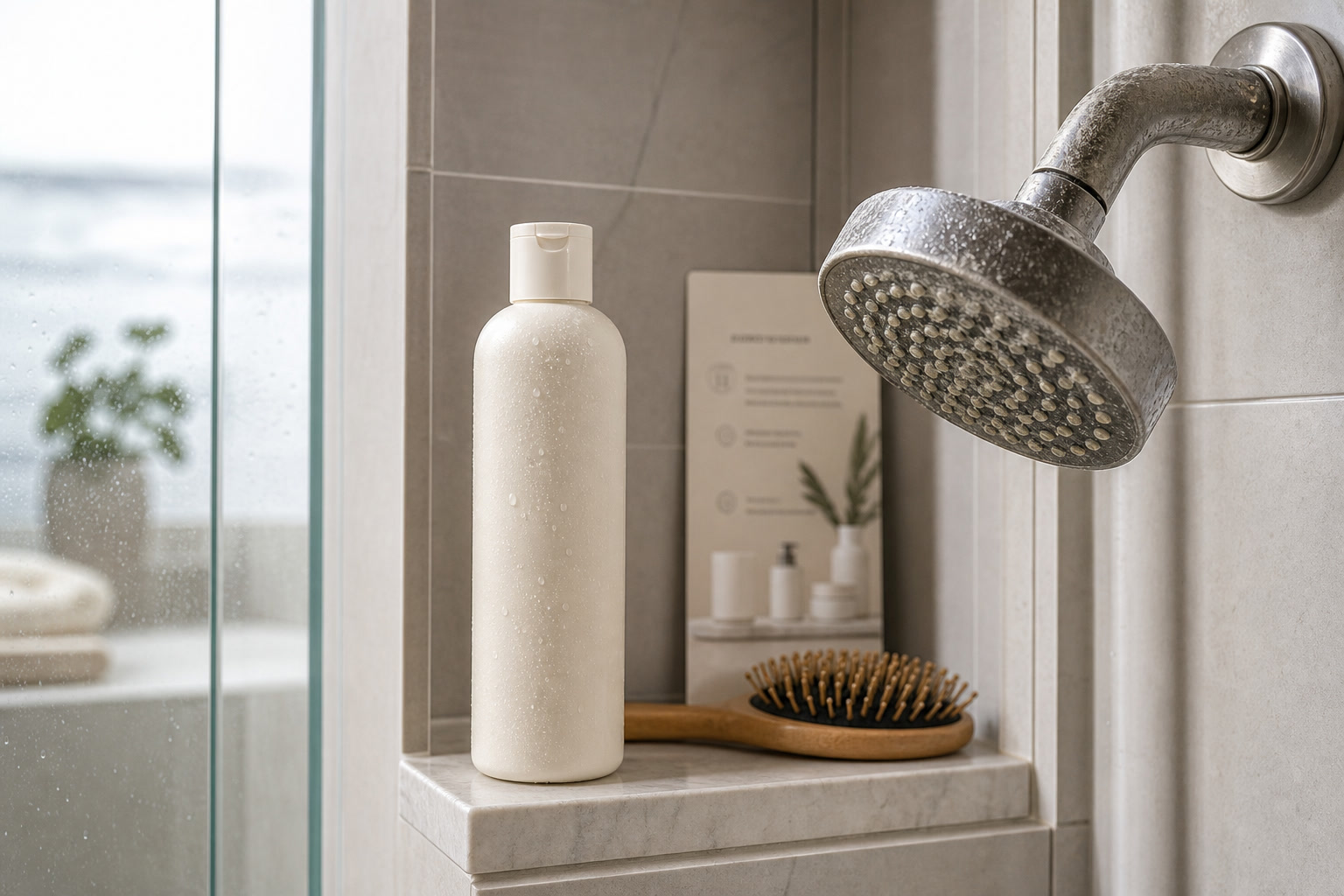
The tactile reality of washing hair in a hard water municipality is distinctly frustrating. Rather than a clean, weightless finish, the hair dries with a persistent, chalky film, resisting both styling efforts and moisture absorption. This phenomenon is not a failure of technique, but a chemical reaction occurring directly on the hair shaft. Hard water is characterized by high concentrations of dissolved minerals, primarily calcium and magnesium, which bind to the keratin structure of the hair. Standard daily cleansers are entirely unequipped to break these bonds, leaving the mineral deposits intact while stripping away surface oils. The intervention required is a highly specific category of wash care: the hard water shampoo. Formulated with chelating agents designed to isolate and extract heavy minerals, these shampoos function as a structural reset for the hair. However, deploying them requires a precise understanding of their chemical mechanics, their inherent trade-offs regarding moisture retention, and their appropriate frequency of use to avoid degrading the hair's natural lipid barrier.
The Ionic Mechanics of Mineral Accumulation
To understand the necessity of a specialized hard water cleanser, one must first examine the specific interaction between municipal water supplies and human hair. Hair naturally carries a negative electrical charge, which becomes more pronounced when the cuticle is damaged by heat styling, environmental exposure, or chemical processing. The minerals prevalent in hard water, specifically calcium carbonate and magnesium sulfate, carry a positive ionic charge. As water flows over the hair during a wash, these positively charged mineral ions are magnetically drawn to the negatively charged hair shaft, creating a rigid, microscopic crust along the cuticle layer. This bond is remarkably resilient, resisting the surfactants found in conventional shampoos.
Once this mineral shield is established, it fundamentally alters the physical behavior and texture of the hair. The cuticle, which should ideally lie flat to reflect light and retain internal hydration, is forced open and roughened by the crystalline structure of the mineral deposits. This results in the characteristic dullness and straw-like texture associated with hard water exposure. Furthermore, this calcified layer acts as an impermeable barrier. Expensive hydrating masks, leave-in conditioners, and styling oils are rendered entirely ineffective, as they simply sit on top of the mineral crust rather than penetrating the hair shaft, leading to a heavy, greasy appearance at the roots while the mid-lengths and ends remain severely dehydrated.
Standard cleansing routines exacerbate this issue rather than resolving it. Conventional shampoos rely on anionic surfactants, which are excellent at emulsifying sebum, silicones, and daily environmental dirt, but they lack the specific chemical architecture required to dissolve ionic mineral bonds. Washing mineral-coated hair with a standard sulfate or sulfate-free shampoo merely strips away the protective oils resting on top of the buildup. The user is left in a perpetual cycle of over-washing, attempting to scrub away a feeling of residue that is chemically fused to the hair, thereby increasing mechanical friction and accelerating breakage without ever addressing the root cause of the buildup.
Chelating Agents Versus Standard Clarification
The defining characteristic of a hard water shampoo is the inclusion of chelating agents, a class of molecules that operate entirely differently from standard cleansing surfactants. The term chelation derives from the Greek word for claw, which accurately describes their molecular function. Ingredients such as Tetrasodium EDTA, Disodium EDTA, sodium gluconate, and phytic acid possess a structure that allows them to physically wrap around heavy metal and mineral ions. By binding to the calcium, magnesium, iron, and copper attached to the hair, these agents neutralize the positive charge of the minerals, dissolving the bond they share with the keratin. Once encapsulated by the chelating agent, the minerals become water-soluble and are easily rinsed down the drain.
A common error in wash care routines is conflating clarifying shampoos with chelating shampoos. While all chelating shampoos are clarifying, not all clarifying shampoos are chelating. A standard clarifying formula is designed to remove heavy product buildup, such as stubborn silicones, waxes from styling pomades, and excess scalp sebum. They utilize high concentrations of strong surfactants but generally lack the specific EDTA or phytic acid compounds necessary to bind to minerals. Using a basic clarifying shampoo in a hard water region will successfully strip away styling products but will leave the calcified mineral crust entirely undisturbed, failing to restore the hair's natural flexibility and shine.
The formulation of an effective hard water shampoo also requires careful calibration of pH levels. Hard water is inherently alkaline, which forces the hair cuticle to swell and remain in an open, vulnerable state. The most sophisticated chelating shampoos are formulated with a slightly acidic pH profile, often utilizing citric acid or ascorbic acid alongside the primary chelating agents. This acidity serves a dual purpose: it assists in the breakdown of alkaline mineral deposits and immediately begins the process of smoothing and sealing the cuticle layer post-extraction, mitigating some of the structural stress caused by the intense cleansing process.
Oxidation Risks and Color-Treated Hair
Hard water presents a specific, aggressive threat to color-treated hair, primarily through the process of oxidation. Beyond calcium and magnesium, municipal water flowing through aging infrastructure often contains trace amounts of iron and copper. When these metals bind to the porous structure of chemically lightened or dyed hair, they react with oxygen and ultraviolet light. Iron deposits oxidize to create a rusty, orange hue, rapidly turning cool blondes and ashy brunettes brassy. Copper deposits, frequently found in homes with older plumbing, can react with the chemicals in swimming pools or even daily styling products to cast a distinct, muddy green tint over lighter hair colors.
Deploying a hard water shampoo on color-treated hair requires strategic timing and an acceptance of certain risks. The chelating agents necessary to extract these oxidizing metals are powerful enough to also extract artificial color molecules, particularly semi-permanent dyes, glosses, and toners. Washing freshly toned hair with a heavy-duty EDTA formula will almost certainly accelerate color fading, washing expensive salon work down the drain. However, allowing the metals to remain guarantees that the color will degrade into unwanted brassy or muddy tones regardless, presenting a difficult choice for those maintaining high-lift blondes or vibrant reds in hard water districts.
The most effective strategy for color preservation involves utilizing the hard water shampoo as a preparatory tool rather than a reactive one. Performing a thorough chelating wash two to three days prior to a salon appointment removes the mineral and metal buildup, providing the colorist with a clean, predictable canvas. This ensures that the new dye penetrates evenly and adheres directly to the keratin rather than sitting on top of a mineral crust. Post-appointment, individuals should rely on gentler, color-safe cleansers for as long as possible, only reintroducing the chelating shampoo when the tactile signs of mineral buildup-stiffness and dullness-become undeniable and begin to compromise the styling process.
Mechanical Filtration as a Complementary Strategy
Relying solely on a chelating shampoo to manage hard water is a purely reactive strategy, addressing the damage only after the minerals have successfully bonded to the hair. For a more holistic approach to wash care, chemical extraction must be paired with mechanical prevention. The installation of a high-quality shower head filter, specifically those utilizing KDF-55 (Kinetic Degradation Fluxion) media, serves as the first line of defense. These filters operate through a process of redox (oxidation-reduction), converting harmful chlorine into harmless chloride and effectively trapping a significant percentage of heavy metals, including iron, lead, and mercury, before they exit the shower head.
It is vital to recognize the exact limitations of shower filters to avoid false expectations. A standard shower filter does not soften water. True water softening requires an ion-exchange system installed at the main water line of the house, which swaps calcium and magnesium ions for sodium ions. Shower filters are generally incapable of removing calcium and magnesium because the contact time with the filter media is too brief given the flow rate of a shower. Therefore, while a filter will drastically reduce the chlorine that dries out the hair and the heavy metals that cause color oxidation, the calcium and magnesium responsible for the chalky, stiff texture will still pass through to the hair shaft.
Because shower filters cannot eliminate the primary hardening minerals, the hard water shampoo remains an essential component of the routine. The filter and the shampoo operate in a symbiotic relationship. By filtering out the chlorine and heavy metals, the shower head reduces the overall chemical load on the hair, preventing the most severe color oxidation and structural drying. This allows the user to stretch the time between chelating washes. The hard water shampoo is then deployed less frequently, specifically targeting the unavoidable calcium and magnesium buildup, resulting in a balanced regimen that maintains hair health without subjecting it to constant, aggressive chemical stripping.
Pre-purchase checklist
- Verify the ingredient list for specific chelating agents, prioritizing Tetrasodium EDTA, Disodium EDTA, or phytic acid, rather than relying solely on the presence of strong sulfates.
- Assess your local municipal water report to determine the exact grains per gallon (GPG) of hardness, using this data to dictate whether you need a chelating wash weekly or monthly.
- Procure a high-lipid, ceramide-rich deep conditioning mask to apply immediately after the chelating wash, as standard daily conditioners cannot repair the temporary lipid depletion.
- Confirm the formula's compatibility with your specific hair treatments, noting that heavy chelators will rapidly strip semi-permanent glosses, toners, and vivid fashion colors.
- Check the product specifications for a slightly acidic pH profile, which is necessary to counteract the alkaline nature of hard water and help reseal the hair cuticle post-wash.
Who should skip this
Individuals living in municipalities with verified soft water who are experiencing dullness; this is likely standard product buildup requiring a basic clarifying shampoo, not a chelating agent.Those with severely compromised, gummy, or actively breaking hair from recent heavy bleaching or chemical relaxers, as the stripping nature of chelating agents may cause immediate structural failure.People seeking a daily-use cleanser, as the aggressive mineral-extracting mechanics of this product category will systematically destroy the scalp's moisture barrier if used in every wash.
Affiliate transparency
FikaLooks maintains strict editorial independence. Our wash care guides are researched and written without direct input from cosmetic manufacturers. We may earn a commission on purchases made through our retail links, which funds our continued material analysis.
FAQ
How often should a hard water shampoo be used in a standard wash routine?
Usage frequency must be dictated by the severity of local water hardness and individual wash habits, not a fixed schedule. In areas with extreme mineral density, utilizing a chelating shampoo every third or fourth wash (approximately once every ten to fourteen days) is generally sufficient to prevent calcification. Overuse will strip the scalp of essential sebum and degrade the hair's elasticity.
Will a hard water shampoo strip artificial color or salon glosses?
Yes, the chemical process of chelation is highly effective at removing impurities, which unfortunately includes artificial color molecules resting near the surface of the cuticle. While it is excellent for removing the brassy, oxidized tones caused by iron and copper in the water, it will noticeably accelerate the fading of semi-permanent dyes, toners, and expensive salon glosses.
Can an apple cider vinegar rinse replace a formulated chelating shampoo?
No. Apple cider vinegar is highly acidic and excellent for closing the hair cuticle and removing mild surface residue, which can temporarily increase shine. However, acetic acid lacks the specific molecular claw structure of ingredients like EDTA, meaning it cannot effectively bind to and extract heavy, calcified calcium and magnesium deposits fused to the hair shaft.
Why does hair often feel worse or highly tangled immediately after rinsing a hard water shampoo?
This tactile roughness is the result of the shampoo successfully removing the mineral crust alongside all surface oils and silicones, exposing the true, unvarnished state of the hair cuticle. Because the cuticle is left open and completely stripped of lubrication, the hair strands create high friction against one another. This state is temporary and necessitates the immediate application of a dense, penetrating moisture mask.