Fragrance Gift Notes
Fragrance Gift Notes is a gift risk note for readers weighing scent families, sample sets, return risk, and recipient taste. The beauty routine note explains what to check before buying, who should skip it, and where the purchase can become more work than it first appears.
A heavy glass flacon of perfume is often treated as the ultimate default luxury gift, an object that signals intimacy and sophistication without requiring the exact sizing of a garment. Yet, gifting fragrance is an inherently high-risk proposition that routinely ends in quiet resentment and wasted capital. Perfume is not a static accessory; it is a volatile chemical compound that interacts aggressively with human biology, personal boundaries, and spatial etiquette. When you hand someone a sealed box of fragrance, you are not merely giving them a pleasant smell. You are attempting to dictate how they occupy physical space, how they are perceived by their colleagues, and how their own skin chemistry will react to a complex matrix of alcohol, essential oils, and synthetic aromachemicals. The failure rate of blind-gifting perfume is staggering, largely because buyers focus on the prestige of the brand or their own olfactory preferences rather than the recipient's daily routine, workplace constraints, and physiological makeup. Navigating this category requires treating fragrance not as a decorative object, but as a wearable cosmetic with strict behavioral parameters.
Skin Chemistry and the Unpredictability of Wear
The fundamental flaw in gifting fragrance lies in the blotter fallacy. When you test a perfume at a department store counter, you are smelling it on a neutral, porous strip of paper under climate-controlled conditions. Human skin, however, is a highly reactive, acidic canvas. A recipient's basal body temperature, natural lipid barrier, and the specific pH of their acid mantle will radically alter how a fragrance develops. A crisp, green vetiver that smells refreshing on paper might turn sharply metallic or sour on highly acidic skin. Conversely, a person with a compromised skin barrier or chronically dry skin will find that their epidermis rapidly absorbs the carrier oils, causing even the most potent top notes to vanish within an hour, leaving behind a flat, powdery residue.
Specific ingredient categories carry higher risks of biological incompatibility. Indolic white florals, such as heavy jasmine or tuberose, contain compounds that can amplify into an unpleasant, almost animalic decay depending on the wearer's natural sebum production and diet. Synthetic musks, often used as base notes to anchor a fragrance, are subject to anosmia; a significant percentage of the population is genetically incapable of smelling certain macrocyclic musks, meaning the expensive dry-down you selected might be entirely invisible to the recipient. Furthermore, the interaction between perfume and the recipient's existing body care routine-scented lotions, heavily fragranced laundry detergents, and hair oils-creates a chaotic olfactory clash that the giver rarely anticipates.
Beyond the skin, there is the mechanical behavior of the liquid on textiles. Many individuals bypass skin application entirely to avoid contact dermatitis, choosing instead to mist their clothing. This introduces a severe maintenance burden. Darker juices, typically those rich in natural resins, vanilla absolutes, or heavy ambers, contain oils that will permanently stain light-colored silk, fine gauge cashmere, and crisp cotton poplin. An Extrait de Parfum, which boasts a high concentration of fragrance oils, can leave a greasy residue on collars and scarves, forcing the recipient into a cycle of expensive dry-cleaning simply to accommodate your gift.
Decoding Concentration and Spatial Imposition
The concentration of a fragrance dictates its sillage-the invisible trail it leaves in the air-and its longevity. Brands frequently market Eau de Parfum (EDP) or Extrait de Parfum as the premium, and therefore more gift-worthy, iterations of a scent. This is a dangerous oversimplification. Eau de Toilette (EDT) contains a lower percentage of perfume oil (typically 5 to 15 percent) suspended in a higher volume of alcohol. This composition allows the top notes to diffuse rapidly, creating a sheer, polite aura that sits close to the body and fades gracefully. An EDP or Extrait, containing up to 40 percent oil, is dense, heavy, and anchors itself to the wearer and their immediate environment for upwards of twelve hours.
Gifting a high-concentration fragrance is effectively gifting a spatial footprint, which can be highly disruptive to the recipient's daily routine. A dense, high-projection oud or a sticky, projecting gourmand is a severe liability for healthcare workers, culinary professionals, therapists, or anyone operating in a strict, enclosed corporate environment. In these settings, a heavy sillage is not a mark of luxury; it is an aggressive breach of etiquette. If the recipient's lifestyle demands discretion, an expensive Extrait de Parfum will sit unused on their vanity, a source of guilt rather than pleasure.
Furthermore, the physical weight of a heavy concentration alters the wearer's own experience. Fragrance fatigue is a documented physiological response where the olfactory receptors become overwhelmed by a constant, heavy stimulus and shut down. A recipient gifted a highly concentrated, linear fragrance may stop smelling it on themselves after twenty minutes, leading them to over-apply and suffocate those around them. Understanding the recipient's tolerance for sensory input is critical; a person who prefers the fleeting, refreshing snap of a traditional Eau de Cologne will feel physically weighed down and nauseated by a thick, resinous Eau de Parfum.
The Psychological Boundary and the Returns Dilemma
Scent is deeply tied to identity, memory, and personal autonomy. Choosing a signature scent is a highly curated process of deciding how one wishes to be perceived by the world. When you bypass this process and impose a fragrance on someone, you are crossing a psychological boundary. The associations tied to specific olfactory families are entirely subjective. A powdery iris note might read as sophisticated and elegant to the buyer, but register as dated, melancholic, or suffocating to the receiver. Aquatic notes, popular in the late nineties, can trigger immediate nausea or headaches in sensitive individuals. Gifting a full bottle of a highly specific scent profile assumes a level of intimacy and understanding that is rarely accurate.
This psychological mismatch leads directly to the brutal reality of retail fragrance returns. Unlike a cashmere sweater that can be tried on, folded, and returned with the tags attached, perfume is a consumable chemical. The moment the cellophane seal is broken and the atomizer is primed, the product is fundamentally altered. The vast majority of luxury retailers, department stores, and independent boutiques maintain strict policies refusing the return of opened cosmetics and fragrances due to tampering and hygiene regulations. An unwanted bottle cannot be exchanged; it becomes a sunk cost.
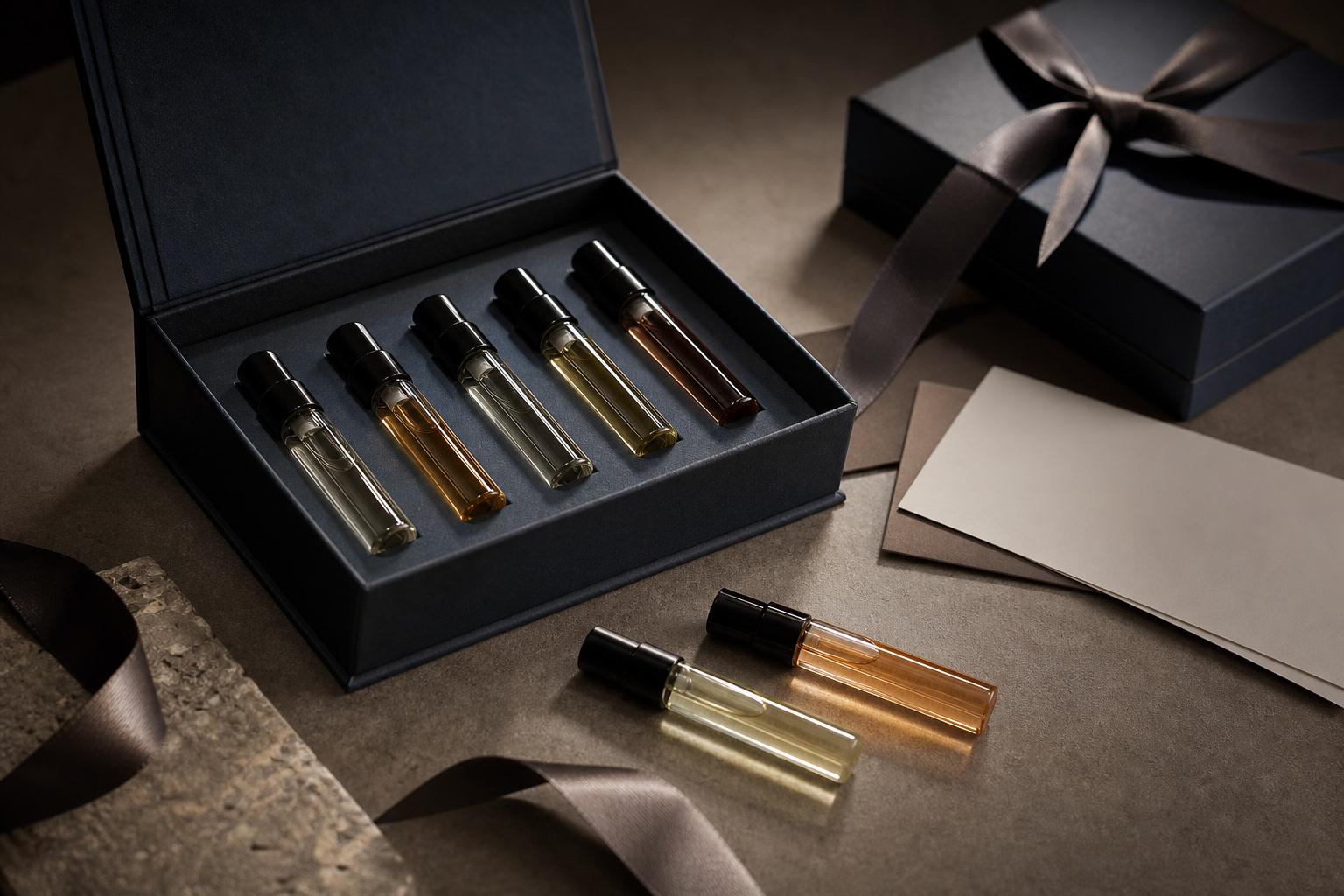
The result is the creation of an expensive, guilt-inducing paperweight. The recipient is burdened with a beautifully packaged object that they despise smelling, cannot wear, and cannot return. They are forced to feign gratitude and find a place to store a $250 bottle of liquid they will never use, occasionally spraying it into the air before your visits to maintain the illusion of appreciation. To mitigate this, some brands have adopted the practice of including a 2ml sample vial alongside the sealed full bottle. This allows the recipient to test the fragrance on their skin for a few days; if it fails to align with their chemistry or taste, the main bottle remains sealed and eligible for a full refund.
Storage Burden and the Mechanics of Degradation
Perfume is a perishable commodity, highly susceptible to environmental degradation. It requires specific, often inconvenient storage conditions to maintain its structural integrity: absolute darkness, stable, cool temperatures, and minimal exposure to oxygen. When you gift a massive 100ml or 200ml flacon, you are imposing a long-term storage commitment on the recipient. Most consumers default to storing their daily grooming products on a bathroom vanity. This is the worst possible environment for fragrance. The daily fluctuations of heat and heavy humidity from shower steam rapidly break down the delicate chemical bonds of top notes and accelerate the oxidation of the base.
The timeline of this degradation is faster than most buyers realize. Citrus notes, heavily reliant on volatile terpenes, are the first to collapse, often turning flat, metallic, or vaguely reminiscent of household cleaner within twelve to eighteen months if exposed to light and heat. Vanilla and heavy resins will darken significantly, sometimes staining the glass and taking on a syrupy, cloying density that ruins the original balance of the composition. Once the recipient presses the atomizer for the first time, oxygen is introduced into the sealed environment of the bottle, starting a slow, irreversible countdown on the liquid's viability.
This makes the standard 100ml bottle a fundamentally flawed gift for anyone who is not a dedicated, daily wearer of that specific scent. An occasional wearer might take five to seven years to finish 100ml of perfume. By the halfway mark, the juice they are spraying is a compromised, oxidized shadow of the original formula. Opting for smaller formats-30ml or 50ml bottles-is a far more practical and respectful approach. It acknowledges the perishable nature of the product, reduces the physical footprint on their vanity, and ensures the fragrance is consumed while the top notes are still vibrant and structurally sound.
Strategic Alternatives and Lower-Risk Formats
If you are determined to gift within the olfactory space but want to eliminate the risks of skin chemistry clashes and return policy traps, the discovery set is the most logical pivot. A curated wardrobe of 2ml or 5ml atomizers shifts the dynamic from an imposed mandate to an invited exploration. It allows the recipient to test wear behavior across different days, weather conditions, and moods. The most refined execution of this is the voucher model, offered by numerous niche houses, where the cost of the discovery set includes a certificate redeemable for a full-sized bottle of their favorite sample. This guarantees the final product is both desired and biologically compatible.
Ancillary body products offer another strategic downgrade in risk while maintaining the luxury cachet. If you have a vague idea of their preferred scent profile, a high-end body emulsion, a rich hand cream, or a dedicated hair mist provides a lower concentration and a shorter commitment. Hair mists are particularly clever gifts; they contain significantly less alcohol, preventing the drying out of hair shafts, and entirely bypass the volatile pH of human skin. The scent sits in the hair, projecting cleanly and politely with movement, avoiding the chemical mutations that occur when oils mix with sweat and sebum on the neck and wrists.
Finally, shifting the fragrance from the physical body to the environment removes the most intimate boundaries of scent gifting. High-end home fragrance-heavy glass candles, cold-air nebulizing diffusers, or artisanal incense-carries the same prestige as personal perfume but occupies a shared architectural space. A recipient who might find a heavy sandalwood perfume suffocating on their own skin might deeply appreciate the exact same note burning in their living room during a winter evening. Home fragrance offers the luxury of ambient scent without the biological friction, making it a substantially safer investment.
Pre-purchase checklist
- Verify the retailer's return policy specifically regarding broken cellophane seals and primed atomizers.
- Assess the recipient's workplace regulations; healthcare, culinary, and corporate environments often enforce strict no-scent policies.
- Inspect their current vanity to determine their actual consumption rate; if they own mostly half-empty 30ml bottles, do not buy a 100ml flacon.
- Confirm whether the brand offers a 'try before you open' sample vial included with the full-size purchase.
- Evaluate the fabric of their daily wardrobe; individuals who wear primarily light silks or fine cashmeres should avoid heavy, dark-colored Extraits.
Who should skip this
Do not gift personal fragrance to individuals who suffer from chronic migraines, asthma, or severe contact dermatitis, as aromachemicals are primary triggers for these conditions. Pregnant individuals often experience drastic, unpredictable shifts in olfactory sensitivity and nausea thresholds, making previously loved scents intolerable. Furthermore, if a person has never explicitly expressed an interest in perfume, or currently uses entirely unscented laundry and body care products, introducing a luxury fragrance is not an upgrade to their routine-it is an unwanted sensory intrusion that they will likely find overwhelming.
Affiliate transparency
FikaLooks maintains strict editorial independence. We do not accept payment for fragrance reviews. If you purchase a discovery set or alternative format through the links provided in our guides, we may earn a commission, which funds our independent testing of wear behavior and material compatibility.
FAQ
Why does the perfume I gifted smell completely different on the recipient than it did on the paper tester in the store?
Paper is chemically inert and room temperature. Human skin is warm, acidic, and coated in a natural lipid barrier. The recipient's specific skin pH, body temperature, and sebum levels dictate how quickly the alcohol evaporates and which base notes are amplified or suppressed.
Can an opened bottle of luxury perfume be returned if the recipient gets a headache from the scent?
In almost all cases, no. Once the cellophane is removed and the atomizer is pressed, oxygen enters the bottle and the product is considered legally tampered with for hygiene reasons. Returns are generally only accepted if the box remains completely factory-sealed.
Is an Eau de Parfum always a superior and longer-lasting gift compared to an Eau de Toilette?
Not necessarily. While Eau de Parfum has a higher concentration of fragrance oils and lasts longer, it projects a much heavier, denser aura. For a recipient who prefers a subtle, sheer, or refreshing scent, an Eau de Toilette is functionally superior and more comfortable to wear.
How long will a 100ml bottle of perfume actually last before the liquid expires or degrades?
If stored in a cool, dark environment away from humidity, an opened bottle can remain stable for three to five years. However, if kept on a bright, humid bathroom counter, the volatile top notes (especially citrus) will begin to oxidize and turn metallic or flat within 12 to 18 months.