Minimal Evening Skincare
Minimal Evening Skincare is a night routine for readers weighing cleansing, barrier repair, active ingredients, and fewer night steps. The beauty routine note explains what to check before buying, who should skip it, and where the purchase can become more work than it first appears.
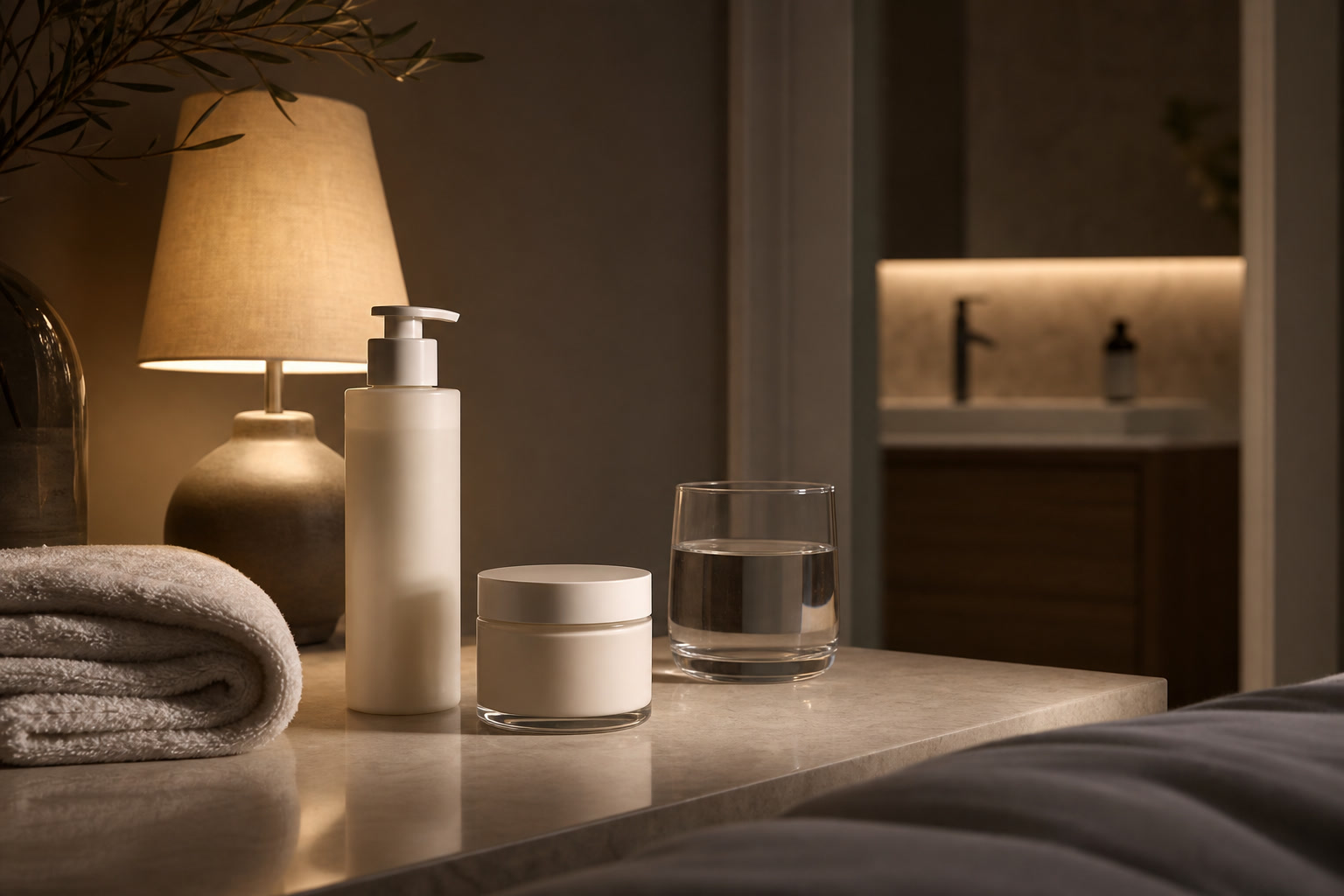
The shift from daytime defense to nighttime repair requires a fundamental change in how we approach our skin. For years, the beauty industry has championed the multi-step evening routine, layering essences, serums, and heavy creams in a bid to force hydration into the epidermis. However, a minimalist evening routine-focusing strictly on efficient makeup removal, targeted barrier repair, and observing the next-day skin state-often yields more consistent, sustainable results. Stripping back the routine to two or three intentional steps reduces the risk of contact dermatitis, prevents the overloading of the skin's absorption capacity, and minimizes transepidermal water loss (TEWL) disruption. This approach relies heavily on the performance of individual formulations. A cleanser must dissolve tenacious UV filters without degrading the acid mantle; a moisturizer must provide sufficient occlusivity to support overnight cellular turnover without suffocating the pores. By observing how the skin behaves the following morning, we can accurately gauge the efficacy of our evening choices, moving away from reactive skincare toward a stabilized, predictable baseline.
The Mechanics of Minimalist Cleansing
The foundation of a minimalist evening routine rests entirely on the efficacy of the cleanse. When reducing a routine to two steps, the traditional double-cleanse-using an oil followed by a foaming gel-can often be consolidated into a single, highly efficient lipid-based cleanser. Cleansing balms and oils operate on the chemical principle of 'like dissolves like.' Non-polar solvents in the cleanser bind to the non-polar synthetic oils in foundation, the stubborn silicones in water-resistant sunscreens, and the oxidized sebum trapped in the pores. The critical factor here is the emulsification system. A well-formulated balm utilizes PEG-based emulsifiers that, upon contact with lukewarm water, instantly phase-shift the oil into a milky emulsion. This allows the dissolved debris to be rinsed away completely without the need for a secondary surfactant step, preserving the skin's natural lipid barrier.
Material behavior during this step is paramount. A poorly formulated balm will either lack sufficient emulsifiers, leaving a waxy, hydrophobic film on the skin that blocks subsequent active ingredients, or it will contain overly aggressive surfactants that strip the stratum corneum, leaving the skin feeling tight and sensitized. When massaging the cleanser into the skin, the tactile feedback should be smooth and frictionless. Dragging or pulling indicates either insufficient product or a formulation that lacks adequate slip. The massage should last no longer than sixty seconds; extending this duration increases the risk of mechanical irritation and allows the dissolved debris to settle back into the follicular ostia. Rinsing must be done with tepid water-hot water accelerates lipid depletion, while cold water fails to activate the emulsifiers properly, leading to residue buildup.
The maintenance burden of cleansing balms is often overlooked. Jar packaging introduces significant hygiene and stability risks. Introducing wet fingers into an anhydrous balm can compromise the preservative system, leading to microbial growth. Furthermore, temperature fluctuations in a standard bathroom environment can cause the waxes and oils in the balm to separate or crystallize. To maintain the integrity of the product, it is essential to use a dedicated spatula, clean it after each use, and store the jar away from direct heat sources. For those who find this maintenance cumbersome, an airless pump dispensing a liquid cleansing oil offers a more stable, albeit sometimes less travel-friendly, alternative.
Targeted Barrier Repair and Active Recovery
Once the skin is cleansed, the immediate priority is addressing transepidermal water loss (TEWL), which naturally peaks during the overnight hours. In a minimalist routine, the evening moisturizer must perform multiple functions: replenishing lost lipids, providing humectant hydration, and creating a breathable occlusive seal. Formulations that mimic the skin's natural lipid matrix-specifically those containing ceramides, cholesterol, and free fatty acids in an optimal ratio-are highly effective at repairing micro-damage sustained during the day. Unlike traditional, heavy 'night creams' that rely on high concentrations of petrolatum or mineral oil to forcefully trap moisture, modern barrier repair emulsions utilize squalane, shea butter, or oat lipids. These ingredients integrate cleanly into the stratum corneum, supporting the skin's structural integrity without causing congestion or feeling suffocating on the surface.
Incorporating active ingredients into a minimal routine requires strategic formulation choices. Rather than layering a separate serum, individuals can opt for a moisturizer compounded with a gentle active, such as retinaldehyde, niacinamide, or specific biomimetic peptides. Retinaldehyde, requiring only one conversion step to become retinoic acid, offers significant cellular turnover benefits with a lower irritation profile than pure retinol. When housed within a barrier-supporting lipid base, the active is delivered slowly throughout the night, mitigating the sudden inflammatory response often associated with potent retinoids. This single-step application reduces the risk of ingredient conflicts, such as the destabilization of peptides by low-pH acids, and ensures that the active is not diluted or blocked by preceding layers of viscous toners or essences.
The absorption kinetics of the evening moisturizer dictate its comfort and efficacy. Upon application, the emulsion should spread evenly, initially leaving a slight sheen that gradually settles into a velvet or satin finish within twenty minutes. If the product remains tacky or transfers heavily onto bedding, the formulation is likely too occlusive for the individual's skin climate or sebum production levels. Conversely, if the skin feels tight within an hour of application, the formulation lacks sufficient occlusive agents to prevent water evaporation. Understanding this balance is crucial for long-term use; a product that feels perfectly balanced in the high humidity of summer may prove entirely inadequate during the dry, artificially heated winter months, necessitating a seasonal adjustment in the lipid weight of the chosen moisturizer.
Evaluating the Next-Day Skin State
The true measure of an evening routine's success is observed not immediately after application, but the following morning. The 'next-day skin state' serves as a diagnostic tool, revealing how effectively the products managed hydration, sebum regulation, and cellular repair overnight. Before cleansing or applying any morning products, observe the skin in natural light. The ideal state is a balanced, calm complexion with a slight, healthy sheen. If the T-zone is excessively oily while the cheeks feel tight, it often indicates a dehydrated state where the skin has overproduced sebum to compensate for a lack of overnight moisture retention. This suggests the evening moisturizer lacked sufficient humectants, such as glycerin or hyaluronic acid, to hold water in the epidermis.
Redness, flushing, or localized irritation upon waking are immediate indicators of a compromised barrier or an adverse reaction to an active ingredient. It is vital to distinguish between a temporary, mild flush caused by a new retinoid and persistent erythema resulting from contact dermatitis or barrier degradation. If the skin feels warm to the touch or stings when splashed with plain water, the evening routine has failed its primary objective of repair. In these instances, all active ingredients must be suspended, and the routine should revert to a bland, highly occlusive healing ointment until the acid mantle is restored. Monitoring the jawline and the perimeter of the face is also crucial; congestion or small pustules in these areas frequently point to incomplete rinsing of the evening cleansing balm, leaving a comedogenic residue trapped against the skin.
Textile transfer is another practical metric for evaluating the evening routine. If you consistently wake up to find your pillowcase stained or smelling strongly of your skincare products, the formulation is either too heavy to absorb properly or you are applying an excessive amount. This not only wastes expensive product but also creates an environment on the pillowcase conducive to bacterial growth, which can exacerbate acne. A well-formulated nighttime emulsion should anchor to the skin within half an hour, minimizing transfer and ensuring that the active ingredients remain in contact with the epidermis where they can exert their intended physiological effects.
Storage, Shelf Life, and Maintenance Burden
The minimalist approach inherently reduces the number of products on the bathroom shelf, but it places a higher demand on the stability and longevity of the few items retained. Understanding the Period After Opening (PAO) is critical. A cleansing balm or an active-rich moisturizer typically carries a PAO of six to twelve months. However, the actual functional shelf life is heavily influenced by user habits and storage conditions. Active ingredients, particularly retinoids and certain antioxidants, are highly susceptible to oxidative degradation. Every time a jar is opened, the formula is exposed to oxygen and light, slowly diminishing its efficacy. For this reason, airless pump packaging is vastly superior for preserving the integrity of active compounds, ensuring the final dose is as potent as the first.
The bathroom environment is notoriously hostile to skincare formulations. Frequent fluctuations in temperature and humidity-caused by daily showering-can wreak havoc on emulsion stability. Cleansing balms, which rely on a delicate balance of waxes and oils to maintain their solid state, can melt and resolidify unevenly if stored in a warm, humid cabinet. This thermal cycling can cause the product to become grainy, altering its tactile properties and potentially affecting its emulsification efficiency. Similarly, water-based moisturizers can experience phase separation, where the oil and water components split, rendering the product unusable. Storing these core items in a cool, dry environment, such as a bedroom vanity, significantly mitigates these risks and extends the product's usable life.
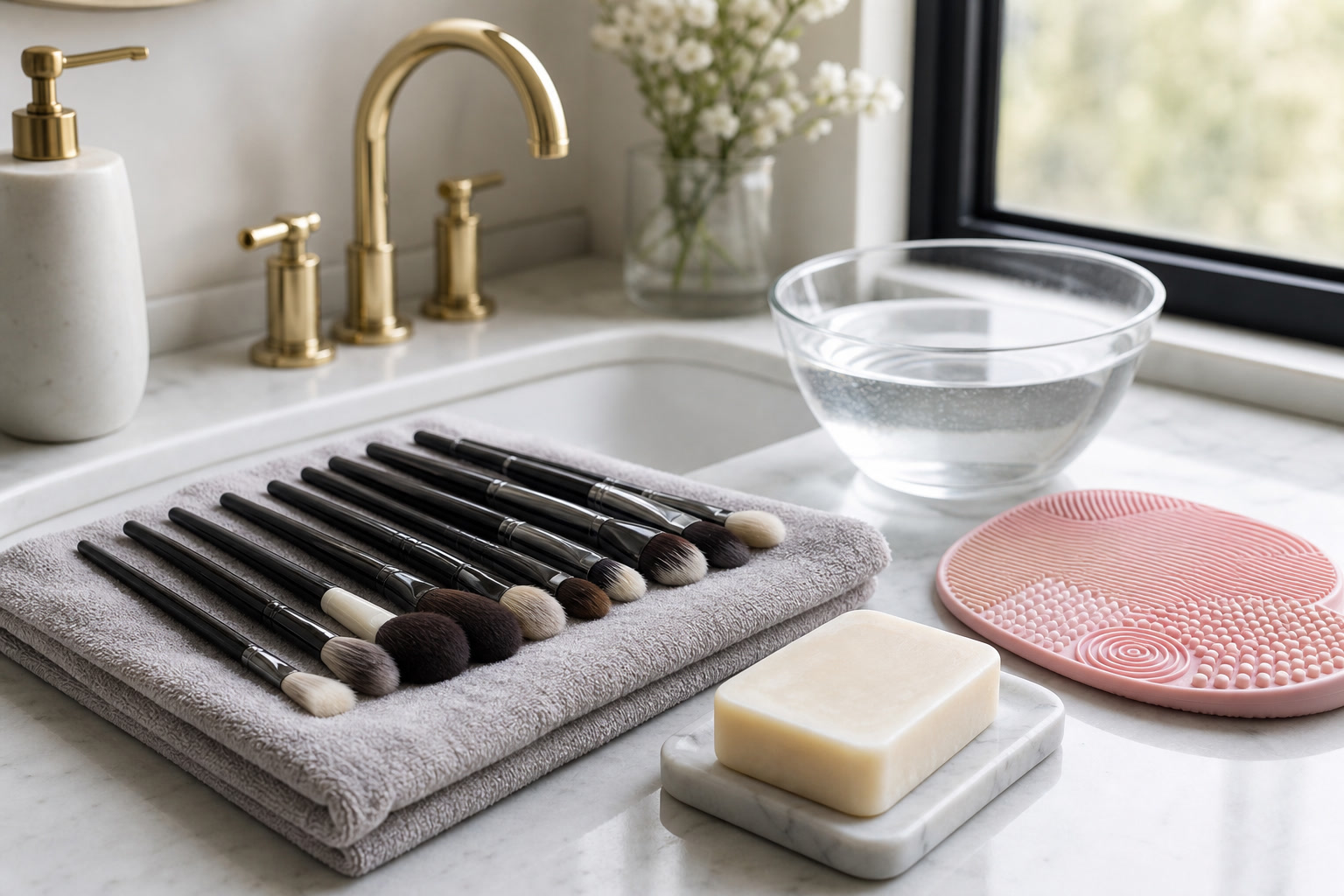
The maintenance burden of a minimalist routine extends to the physical tools used alongside the products. If utilizing a muslin cloth or microfiber towel to assist in cleanser removal, these textiles must be laundered after every single use to prevent the introduction of bacteria to the face. Reusing a damp cloth is a common vector for introducing pathogens that cause low-grade, persistent breakouts. For those seeking the lowest possible maintenance burden, relying solely on the hands for application and rinsing is the most hygienic and straightforward method, provided the cleanser is formulated to rinse cleanly without mechanical assistance.
Alternatives and Managing Return Risks
Adopting a minimalist routine carries specific return risks, primarily centered around ingredient compatibility. When you rely on only two products, an adverse reaction to either one disrupts the entire system. The most common risk is confusing a 'purge' with a breakout. A purge occurs when an active ingredient, like a retinoid, accelerates cellular turnover, bringing pre-existing microcomedones to the surface. This typically resolves within four to six weeks. Conversely, a breakout caused by a heavy cleansing balm or an occlusive moisturizer will present as new, inflamed lesions in areas where you do not typically experience acne. If a product causes persistent congestion or contact dermatitis-often triggered by botanical essential oils used for fragrance in balms-it must be discontinued immediately. Patch testing new additions on the jawline for a week before full-face application is a necessary precaution to mitigate the financial and dermatological risks of a reaction.
For individuals who cannot tolerate lipid-based cleansing balms, micellar waters offer a viable alternative for the first step of a minimalist routine. Formulated with mild surfactants suspended in water, micellar formulas draw out impurities without the heavy texture of an oil. However, they require the use of cotton pads, which introduces physical friction and an ongoing consumable cost. Furthermore, many micellar waters leave a slight surfactant residue that necessitates a quick rinse with plain water to prevent long-term barrier disruption. Another alternative for those living in highly humid climates is swapping the heavy, ceramide-rich nighttime cream for a lightweight, gel-cream emulsion. While gel-creams contain fewer occlusive agents, the ambient humidity in the environment compensates for the lower lipid content, preventing excessive overnight water loss.
Long-term adherence to a minimalist evening routine requires an adjustment in expectations. Unlike multi-step routines that offer immediate, superficial plumping through layers of humectants, a stripped-back approach works on a slower, more fundamental level. Over a period of three to six months, the consistent use of a non-stripping cleanser and a barrier-supporting moisturizer stabilizes the skin's baseline. You will likely notice a reduction in reactive redness, a more normalized sebum production rate, and a decrease in the frequency of dehydration-induced breakouts. The goal is not to achieve a temporary, glass-like finish immediately after application, but to cultivate a resilient, self-regulating skin barrier that requires less intervention over time.
Pre-purchase checklist
- Verify the emulsification speed of your cleansing balm; it should turn milky instantly upon contact with lukewarm water without leaving a hydrophobic film.
- Assess your T-zone oil production before washing your face in the morning; excessive oil alongside tight cheeks indicates insufficient overnight moisture retention.
- Check the Period After Opening (PAO) symbol on your active moisturizers and calculate if your usage rate aligns with the product's stable shelf life.
- Inspect the texture of jar-packaged balms and creams weekly for signs of crystallization, phase separation, or water ingress.
- Monitor the perimeter of your face and jawline for localized congestion, which strongly suggests incomplete rinsing of your evening cleanser.
Who should skip this
This minimalist evening approach is not suitable for individuals managing severe, active acne that requires multi-step prescription interventions, such as alternating topical antibiotics with high-strength benzoyl peroxide. Additionally, those who wear heavy, waterproof theatrical or stage makeup daily will likely find a single-step cleansing balm insufficient for complete removal and will require a dedicated, aggressive double-cleansing routine to prevent severe follicular congestion. Finally, individuals with clinically diagnosed skin conditions like severe rosacea or eczema should prioritize their dermatologist-prescribed treatment protocols over a simplified consumer routine.
Affiliate transparency
FikaLooks maintains strict editorial independence. We do not accept payment for product placement or favorable coverage. If you purchase through the links embedded in our articles, we may earn a commission. This funding model allows us to focus on long-term material analysis and barrier health rather than chasing fleeting beauty trends or viral marketing claims.
FAQ
Can I skip my morning cleanser if my evening routine is minimalist?
Yes, for many skin types, a thorough evening cleanse followed by a water-only rinse in the morning is sufficient. If your evening moisturizer was completely absorbed and you do not wake up with excessive sebum or sweat, introducing a morning surfactant can unnecessarily strip the barrier you repaired overnight.
How do I know if my cleansing balm is leaving a film or if my skin is just hydrated?
A hydrating finish feels supple and soft to the touch, similar to normal skin. A residual film from a poorly emulsified balm will feel waxy, slightly tacky, and water will bead up aggressively on the surface rather than absorbing. If subsequent serums pill or refuse to sink in, a film is likely present.
Does a minimalist routine mean I cannot use chemical exfoliants?
A minimalist routine focuses on fewer steps per night, not necessarily fewer products over a month. You can incorporate exfoliants through 'skin cycling'-using a gentle exfoliating acid in place of your retinoid or active moisturizer one or two nights a week, rather than layering multiple actives simultaneously.
Why does my skin feel tighter when I switch from a 10-step routine to a 2-step routine?
Your skin may be experiencing a temporary deficit in humectants (like hyaluronic acid or glycerin) that were previously supplied by multiple layers of toners and essences. To counter this, ensure your single evening moisturizer contains a robust blend of both humectants to draw water in and occlusives to lock it down.