Cream Blush for Dry Skin
Cream Blush for Dry Skin is a comparison note for readers weighing blend time, texture, undertone, wear, and dry-skin comfort. The beauty routine note explains what to check before buying, who should skip it, and where the purchase can become more work than it first appears.
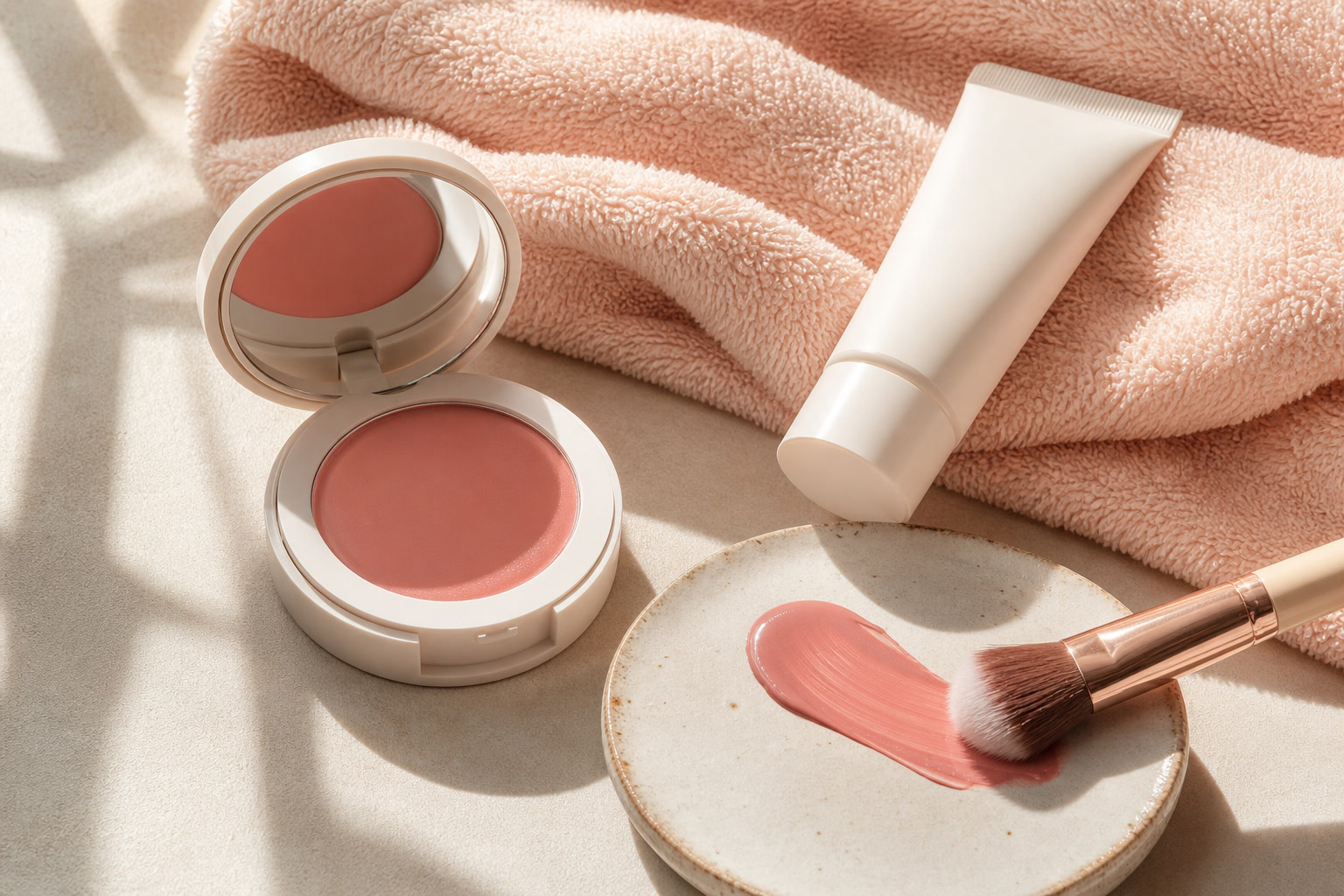
The appeal of cream blush is rooted in the promise of a natural, emollient flush-a dewy aesthetic that seems tailor-made for parched, lackluster complexions. However, the intersection of heavy cosmetic waxes and a compromised skin barrier often yields a frustrating reality. For those with chronically dry skin, applying a cream blush is not merely a matter of tapping color onto the cheeks; it is an exercise in managing cosmetic chemistry, transepidermal water loss, and the physical friction of application. While these formulas are marketed as hydrating alternatives to flat powders, their reliance on complex lipid matrices introduces significant behavioral challenges. From pigment that pools around microscopic dry flakes to the aggressive, barrier-stripping double-cleanse routines required to remove water-resistant film-formers at night, the lifecycle of a cream blush demands rigorous scrutiny. Understanding how these materials adhere, degrade, and ultimately wash away is essential for making a slower, more deliberate buying decision that prioritizes the long-term health of the skin over a fleeting, two-hour glow.
Formulation Mechanics: How Waxes and Oils Behave on Flaky Texture
Cream blush on dry skin is frequently marketed as a hydrating savior, but the reality of cosmetic chemistry tells a different, more complicated story. The base of any cream blush is an emollient matrix-usually a carefully calibrated blend of synthetic waxes, plant-derived butters like shea or cocoa, and carrier oils such as jojoba or squalane. These ingredients are designed to suspend the raw pigment and provide a clean, skin-like glide across the face. However, when applied to a complexion suffering from transepidermal water loss or active flaking, this matrix behaves unpredictably. Rather than smoothing over the uneven texture, heavy waxes tend to catch on the microscopic lifted edges of dry skin cells. The pigment separates from its emollient carrier, pooling around the perimeter of dry patches and creating a stippled, uneven appearance that highlights the exact texture the user is attempting to conceal.
The distinction between wax-heavy and oil-heavy formulations is critical for dry skin types to understand before purchasing. Stick blushes, which require a significantly higher concentration of waxes to maintain their solid structural integrity at room temperature, demand physical friction to melt and blend. Dragging a stiff, wax-bound stick across a compromised lipid barrier exacerbates flaking and can micro-exfoliate the skin, inadvertently lifting any foundation, concealer, or sunscreen previously applied. The mechanical force required to diffuse a stick blush often leaves dry skin looking red and irritated, defeating the purpose of a cosmetic enhancement.
Conversely, oil-heavy formulas poured into shallow pots offer superior slip and require far less mechanical force to blend into the skin. Yet, these thinner formulations present their own set of behavioral challenges. Their high mobility means they are prone to migrating across the face throughout the day, settling into fine dehydration lines, or dissolving the chemical UV filters in your morning sunscreen. Finding the precise balance-a formula with enough oil to glide without friction, but enough structural integrity to stay exactly where placed-is the primary hurdle when selecting a cream blush for a dry complexion.
The Longevity Paradox: When Dry Skin Drinks the Base
The longevity of cream blush on dry skin presents a frustrating paradox that confounds many users. While oily skin types struggle with blush sliding off the face due to excess sebum production, dry skin experiences pigment drop-out through a process of rapid absorption. Because dry skin inherently lacks a sufficient natural lipid layer, it treats the emollient base of a cream blush as a localized, topical moisturizer. Within the first two to three hours of wear, the skin actively drinks in the humectants, squalane, and lighter seed oils present in the cosmetic formula to compensate for its own dehydration.
As this moisture is absorbed deep into the stratum corneum, the cosmetic architecture of the blush collapses entirely. The raw pigment, now stripped of its binding agents and lubricating slip, is left stranded on the surface of the skin. This results in a patchy, faded, or oxidized appearance by midday. Users often misinterpret this fading as the blush simply wearing off due to poor quality, and they respond by applying thicker layers or reapplying frequently throughout the afternoon. This routine adjustment only compounds the issue, leading to a heavy, suffocating buildup of stranded pigment and residual wax that feels deeply uncomfortable and looks visibly cakey by evening.
Attempting to extend the wear time of cream blushes through traditional makeup routines often proves futile for dry skin. Setting the cream with a translucent powder defeats the primary aesthetic purpose of choosing a cream formula-the dewy, skin-like finish-and introduces oil-absorbing ingredients like silica, talc, or kaolin clay that actively draw even more moisture from the face. Alternatively, layering the blush over a heavily occlusive moisturizer or a facial oil prevents the skin from absorbing the blush's base, but it creates an unstable, slippery surface. The blush never truly sets, remaining tacky to the touch and transferring onto collars, scarves, and smartphone screens, making long-term wear a constant balancing act.
Shelf Life, Storage Realities, and the Risk of Returns
Beyond the daily application and removal, the physical nature of cream blushes introduces significant logistical challenges regarding storage and shelf life. The very ingredients that make cream formulas appealing-natural oils, botanical butters, and clean-beauty formulations devoid of robust synthetic parabens-make them highly unstable and susceptible to environmental degradation. Cream blushes are acutely sensitive to temperature fluctuations and ambient humidity. Storing a cream blush in a warm, damp bathroom environment accelerates the oxidation of its oils, a chemical process that inevitably leads to rancidity. Within a matter of months, a once-luxurious cream can develop a sharp, unpleasant odor, while its texture may become granular or separate.
Even when stored correctly in a cool, dry, and dark environment, cream blushes suffer from a phenomenon known as surface sealing, or hardpan. The daily transfer of natural facial oils, skincare residue, and microscopic dead skin cells from fingers or brushes back into the pot creates a hardened, impenetrable film over the surface of the product. Users are forced to scrape away and discard this top layer regularly using a spatula or tissue to access usable, uncontaminated pigment underneath, resulting in substantial product waste and diminishing the overall value of the investment.
Furthermore, this material fragility heavily impacts the purchasing experience and return risks. Because cream blushes show immediate, undeniable signs of use-fingerprints, brush indentations, or a disrupted surface-retailers are increasingly stringent about accepting returns on opened pots or sticks. Purchasing a cream blush is a committed financial decision. The secondary market for lightly used cream cosmetics is virtually nonexistent due to valid hygiene concerns and the impossibility of sanitizing a porous cream surface, meaning a poorly matched shade or an incompatible formula becomes an unrecoverable sunk cost.
Evaluating Alternatives: Liquids, Serums, and Baked Gelees
Recognizing the friction, absorption issues, and heavy maintenance burden associated with traditional cream blushes allows consumers with dry skin to explore more sophisticated, lower-impact alternatives. Liquid and serum blushes represent a significant structural improvement over thick waxes and heavy potting creams. These fluid formulations utilize water, volatile silicones, or lightweight squalane as their primary delivery systems. This allows the pigment to spread without fuss across the skin with minimal mechanical friction, gliding smoothly over dry patches rather than catching on them and highlighting uneven texture.
The distinct advantage of a serum blush lies in its self-setting nature. Because the carrier fluid in a serum formula is designed to evaporate or absorb quickly, it leaves behind a thin, flexible film of color that does not remain tacky or require heavy powdering to stay in place. Crucially, serum blushes demand far less mechanical force to remove at the end of the day. Many modern liquid formulas can be effectively dissolved with a single, thorough cleanse using a gentle, barrier-respecting milk or oil-to-milk cleanser, entirely bypassing the need for a stripping double-cleanse routine.
For those who prefer the tactile experience of a powder but fear the flat, chalky finish that traditionally emphasizes dry texture, baked gelee formulas offer an elegant compromise. These products begin their manufacturing life as a liquid cream, which is then slowly baked on terracotta tiles until the water content fully evaporates. The resulting product is technically a powder, but it retains the luminous, non-powdery finish of a cream. Baked gelees sit weightlessly on top of the skin, do not absorb into dry patches, and maintain their color fidelity throughout the day without draining the skin's moisture, offering the aesthetic benefits of a cream with the low-maintenance removal of a sheer powder.
Pre-purchase checklist
- Press a clean fingertip into the tester; if the surface feels entirely stiff until warmed by your body heat, the formula relies heavily on waxes that will drag and micro-exfoliate dry patches during application.
- Examine the ingredient list for the placement of silica, kaolin clay, or cornstarch; if any of these appear within the top five ingredients, the cream is designed to dry down to a matte powder finish that will aggressively emphasize flaking skin.
- Test the formula over your daily moisturizer and SPF on the back of your hand to check for pilling, as heavy oil-based creams frequently separate and roll when layered over water-based skincare or chemical sunscreens.
- Assess your current evening cleansing routine; if you exclusively use a milky, non-foaming, or gentle gel cleanser, you must be prepared to invest in a dedicated cleansing oil or balm to effectively break down water-resistant cream pigments.
- Smell the product immediately upon opening and note its baseline scent; a distinct crayon, plastic, or sour odor developing over time indicates the botanical oils have begun to oxidize, a common spoilage issue with preservative-free cream formulations.
Who should skip this
Individuals dealing with severe eczema, active contact dermatitis, rosacea flare-ups, or an acutely damaged skin barrier should bypass cream blushes entirely. The mechanical friction required to blend even the most emollient waxes, combined with the heavy, occlusive nature of the ingredients, can trap heat and bacteria against the skin, severely aggravating compromised tissue. Furthermore, the mandatory double-cleansing process required to properly remove water-resistant film-formers will continuously strip the delicate lipid layer, actively preventing the skin barrier from healing. If your face feels tight, stinging, or sensitized immediately after your evening wash, introducing a cosmetic product that demands an aggressive oil-cleansing step followed by emulsification is a counterproductive aesthetic choice that prioritizes temporary color over long-term dermatological health.
Affiliate transparency
FikaLooks maintains strict editorial independence and does not accept payment for product placement or favorable coverage. The formulations and material behaviors discussed in our editorial shopping guides are evaluated based on their chemical composition and long-term wear realities. If you choose to purchase through the external links provided in our articles, we may earn a transparent affiliate commission. This revenue directly funds our independent research, allows us to purchase products for unbiased evaluation, and helps keep our publication entirely free of traditional display advertising and sponsored content.
FAQ
Why does my cream blush seemingly disappear after only two hours of wear?
Dry skin inherently lacks a sufficient natural lipid layer and will actively absorb the emollient base of the blush to compensate for its own dehydration. Once the carrier oils and humectants are absorbed into the stratum corneum, the raw pigment loses its binder and either flakes off or fades dramatically.
Can I apply a cream blush over a powder foundation to add moisture back to my face?
Applying a wet cream over a dry powder disrupts the set layer underneath, causing the powder to clump, separate, and create a muddy texture. If you must mix these formulations, apply the cream blush directly to bare skin or liquid foundation first, allow it to settle, and carefully press a sheer translucent powder only around the perimeter.
Do I have to use my fingers to apply cream blush, or is a brush better for dry skin?
While fingers provide necessary body heat to melt stiff, wax-based formulas, they also absorb a significant amount of product and can lift your underlying foundation. A stippling brush with dual-length synthetic bristles distributes the pigment evenly and prevents the micro-exfoliation of dry patches that aggressive finger-rubbing can cause.
How can I definitively tell if my cream blush has expired or gone rancid?
Look for distinct visual and olfactory changes. If the surface develops small beads of liquid (sweating), the smell turns sharp or reminiscent of old cooking oil, or the texture becomes gritty, hard, and difficult to blend, the oils within the formula have degraded and the product should be discarded immediately.