Wool Coat Investment Notes
Wool Coat Investment Notes is a investment piece for readers weighing wool content, lining quality, shoulder structure, and repair value. The wardrobe decision note explains what to check before buying, who should skip it, and where the purchase can become more work than it first appears.
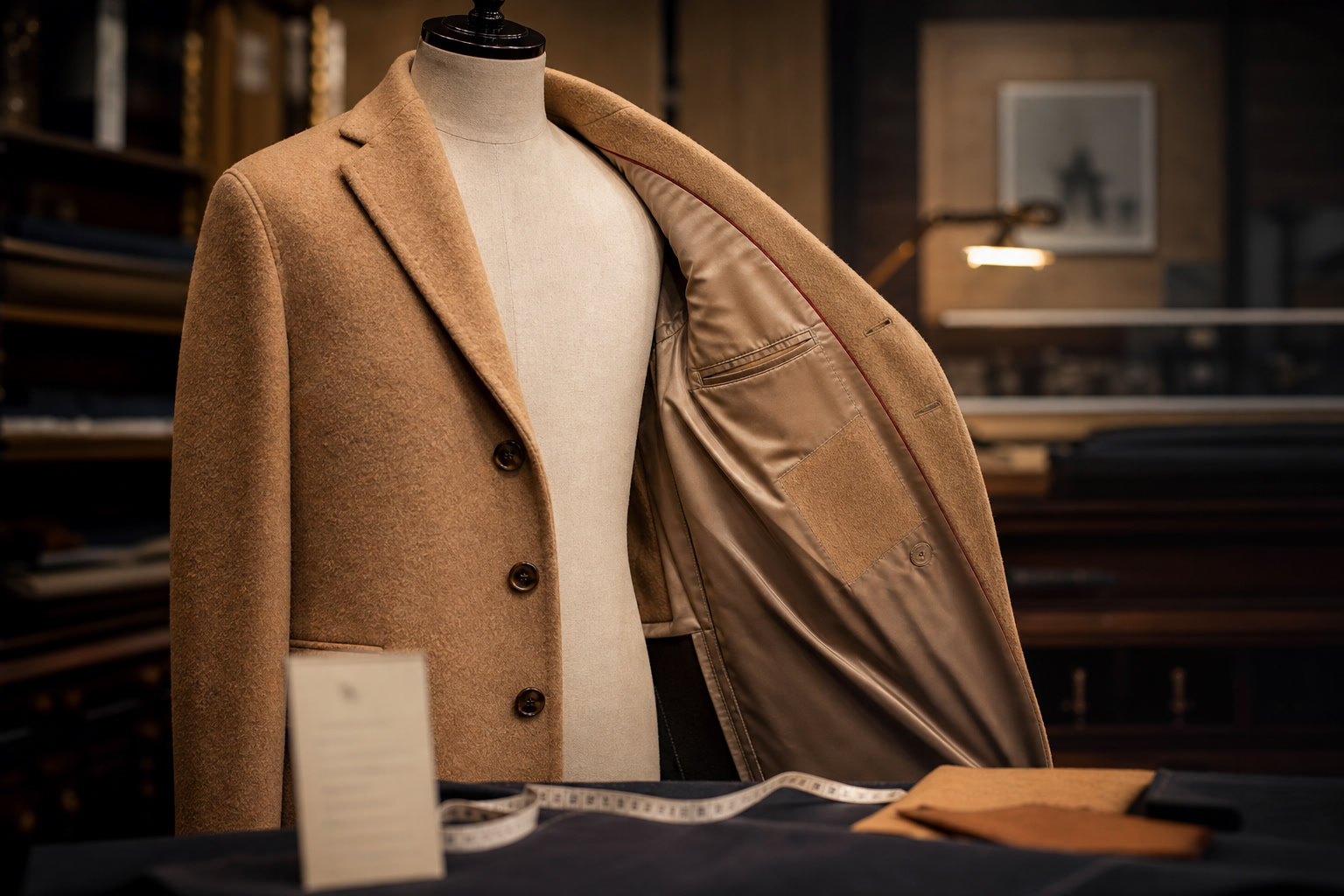
Purchasing a high-quality wool coat is less a simple retail transaction and more the signing of a long-term lease. It demands physical closet space, annual maintenance budgets, and a fundamental understanding of textile behavior. The romanticized image of striding through a crisp winter morning in a perfectly draped camel coat often obscures the mechanical realities of the garment: the sheer weight on your shoulders, the friction of the lining against your knitwear, and the constant, quiet war against clothes moths. A wool coat is not a utilitarian shield like a down parka; it is a tailored piece of architecture. Deciding whether it belongs in your wardrobe requires looking past the aesthetic appeal to examine the grams per square meter, the geometry of the shoulder seams, the composition of the lining, and the hidden ledger of ownership costs.
The Fabric Math: GSM, Blends, and the Double-Faced Illusion
The performance of a wool coat is entirely dictated by its density, measured in grams per square meter (GSM), and the finishing of the cloth. A heavy melton wool, woven tightly and then felted to obscure the weave, behaves like soft armor. It blocks biting winds and holds a sharp, tailored line. Conversely, the highly coveted double-faced wool-constructed by weaving two layers of cloth together and splitting the edges to create invisible, unlined seams-prioritizes fluid drape over structural rigidity. While double-faced coats feel luxurious and blanket-like, they often lack the density to stop a serious winter draft, making them better suited for transitional weather or short walks from a heated car to an indoor lobby.
The purity of the fabric composition is another area where conventional wisdom requires nuance. While a 100% virgin wool or wool-cashmere blend represents the pinnacle of luxury, a small percentage of synthetic fiber is not inherently a compromise. A blend containing 10 to 15 percent nylon adds vital tensile strength to the yarn, preventing the elbows and pocket edges from blowing out under daily friction. However, this tolerance absolutely does not extend to polyester or acrylic. Wool blended with cheap plastics traps body heat without breathing, leading to a clammy interior microclimate, and guarantees aggressive, unmanageable pilling within the first month of wear.
It is also crucial to understand that wool is a living, responsive fiber. It reacts to ambient humidity, relaxing its drape in damp conditions and stiffening slightly in the dry, freezing air. Over time, a heavy wool coat will mold to the specific posture and movements of the wearer. This organic behavior means the coat you try on in a dry, climate-controlled boutique will feel and fall slightly differently after a month of navigating damp city streets. Recognizing this material behavior helps temper expectations regarding how pristine the garment will look after its first season.
Architecture of the Shoulder and the Layering Reality
The shoulder line is the structural anchor of the entire coat, dictating not only the silhouette but the garment's functional capacity for layering. A traditional set-in sleeve, where the seam sits exactly at the natural shoulder bone, offers a sharp, authoritative, and formal appearance. However, this precision comes with a severe spatial limitation. The armhole of a set-in shoulder is relatively high and narrow, meaning it will comfortably accommodate a silk blouse or a fine-gauge merino turtleneck, but will choke and bunch uncomfortably if forced over a chunky Shetland sweater or an oversized cardigan.
For maximum winter versatility, the raglan sleeve is the superior architectural choice. Characterized by a continuous seam running from the collar down to the underarm, the raglan design creates a naturally deeper, more forgiving armhole. This allows the coat to slide without fuss over heavy, textured knitwear without distorting the exterior lines of the garment or restricting the wearer's range of motion. Drop-shoulder designs offer a similar volume advantage, presenting a relaxed, robe-like aesthetic, but they require a fabric with substantial weight; otherwise, the dropped seam can jut out awkwardly, creating a sloppy, boxy profile rather than an elegant drape.
This structural geometry is the primary driver of the high returns risk associated with buying coats online. A coat that looks perfectly proportioned on a model wearing only a thin cotton t-shirt may prove entirely unwearable over your actual winter wardrobe. The critical measurement is not just the chest width, but the depth of the scye (the armhole). If the armhole is cut too high, the entire body of the coat will lift every time you raise your arm to hail a cab or hold onto a subway pole, letting freezing air rush in around your waist.
The Maintenance Ledger: Storage, Moths, and Dry Cleaning
Owning a wool coat comes with an annual operating cost in both time and money. The most pervasive myth is that wool coats require frequent dry cleaning. In reality, dry cleaning should be an absolute last resort, utilized perhaps once a season or strictly for targeted stain removal. The chemical solvents used in commercial dry cleaning strip the wool fibers of lanolin-the natural oil that gives wool its water resistance, luster, and bounce. Repeated chemical processing leaves the fibers brittle, dull, and highly susceptible to accelerated wear and tearing.
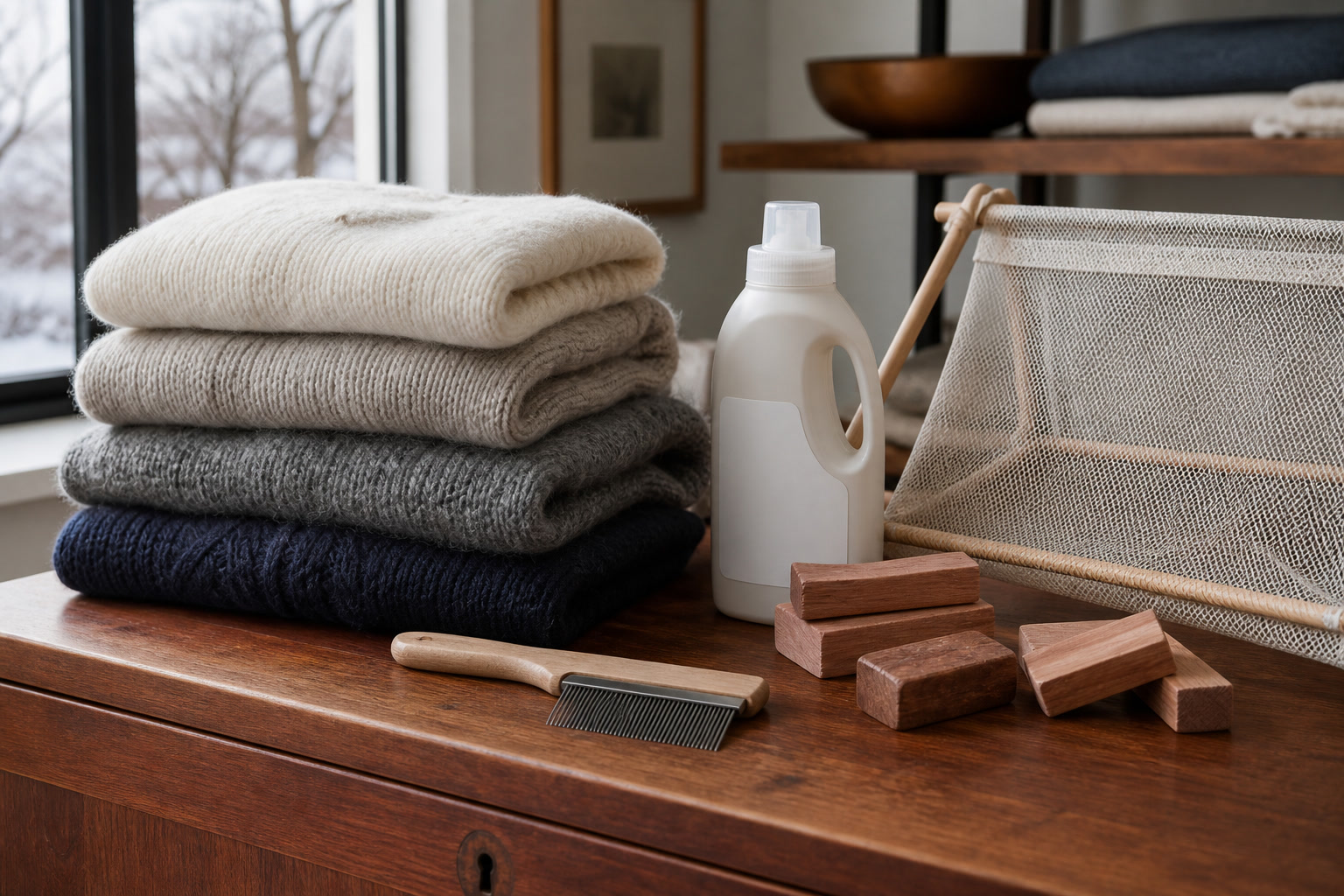
Instead of chemical cleaning, the maintenance routine relies on mechanical care. A high-quality garment brush, constructed with firm boar or horsehair bristles, is mandatory. Vigorously brushing the coat after every few wears removes invisible street dust and particulate matter before it can settle deep into the weave and act as an abrasive. Brushing also aligns the fibers, restoring the fabric's natural sheen. For the inevitable pilling that occurs in high-friction areas like the underarms and where a cross-body bag rests, a fabric shaver or a cedar pumice stone must be used with a light, careful hand to shear off the pills without thinning the underlying cloth.
The off-season storage of a wool coat is a high-stakes endeavor due to the constant threat of clothes moths, whose larvae feed exclusively on animal fibers. Proper storage demands significant closet space. The coat must be hung on a wide, contoured wooden hanger that mimics the shape of human shoulders; using a thin wire or plastic hanger will cause the heavy wool to sag and permanently stretch out of shape. It must then be encased in a breathable cotton garment bag-never plastic, which traps residual moisture and breeds mildew-and packed with fresh cedar blocks or lavender sachets, which require annual replacement to maintain their deterrent efficacy.
Climate Compatibility and the Alternatives
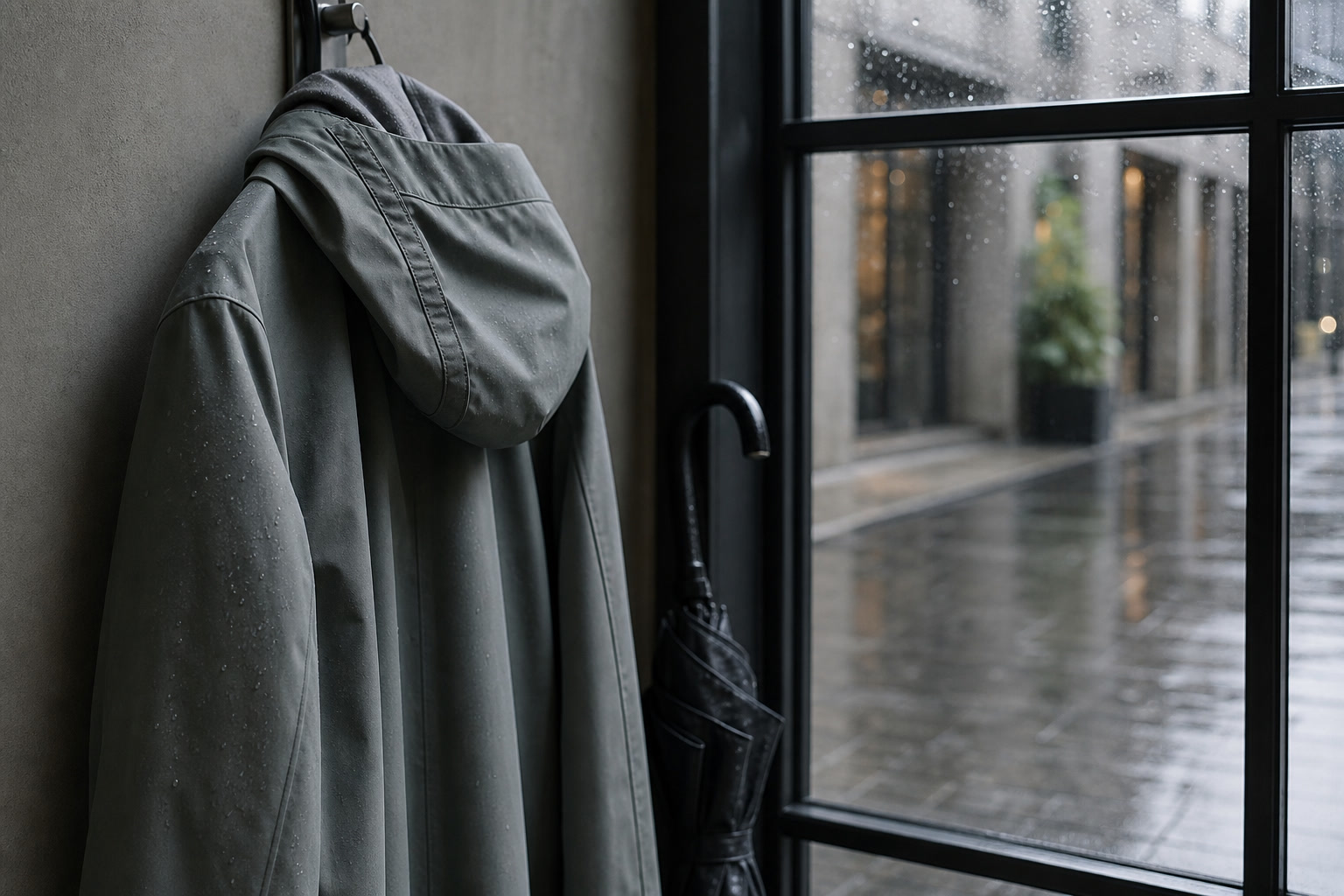
Before committing to the maintenance ledger of a wool coat, one must brutally assess their local climate. Wool possesses natural water resistance due to its lanolin content, allowing rain or light snow to bead up and roll off the surface. However, it is fundamentally not waterproof. In climates characterized by heavy, driving rain or wet, slushy snow-such as the Pacific Northwest or coastal maritime regions-a wool coat will eventually saturate. Once wet, it becomes a remarkably heavy, damp sponge that emits a distinct wet-animal odor and requires days to dry properly while lying flat on a towel.
Wind resistance is another critical factor. While a densely woven, heavy melton wool coat can block wind effectively, many modern, fashion-forward wool coats prioritize lightness and drape over density. If your daily commute involves standing on exposed train platforms facing sub-zero wind chills, the romanticism of a beautifully draped camel hair coat will quickly yield to shivering regret. In these environments, the sheer thermal efficiency and windproof shells of technical down parkas or insulated longline puffers offer a level of survival-grade warmth that tailored wool simply cannot match.
For those residing in milder winter climates, a heavy wool coat might only see three or four weeks of justifiable use per year, making the cost-per-wear difficult to rationalize. In such cases, a highly structured cotton gabardine trench coat equipped with a removable wool or quilted liner presents a far more versatile alternative. This modular approach allows the garment to function as a lightweight rain shell in the autumn and spring, while providing just enough insulation for mild winter days, effectively stretching the investment across three seasons rather than one.
Pre-purchase checklist
- Crush a handful of the fabric and release it; high-quality wool should spring back immediately with minimal wrinkling.
- Inspect the lining composition tag to ensure it is made of cupro, viscose, or silk, strictly avoiding 100% polyester.
- Wear your thickest winter sweater to the fitting to test the armhole clearance and ensure the sleeves don't bunch.
- Check the pocket construction by placing a heavy item (like your phone) inside to see if it drags the exterior fabric down.
- Examine the care tag for synthetic blend ratios; reject anything containing acrylic or more than 20% nylon/polyester.
Who should skip this
You should skip buying a heavy wool coat if your daily routine involves long commutes in heavy rain, or if you require absolute windproof warmth for sub-zero temperatures. It is also a poor choice for those who are unwilling to invest time in brushing the fabric, managing pills, and meticulously storing the garment in breathable bags during the off-season. If you have severely limited closet space and need a single, utilitarian jacket that can be shoved into an overhead bin or worn in a downpour without consequence, a technical parka or a high-quality insulated trench is a far more practical investment.
Affiliate transparency
FikaLooks operates independently, prioritizing slower, more deliberate purchasing decisions. If you choose to invest in a piece through the links provided in our editorials, we may earn a small commission. This funds our research and allows us to maintain our strict editorial standards without relying on sponsored placements.
FAQ
How often should I dry clean my wool coat?
Ideally, no more than once a year at the end of the season, and only if heavily soiled. Frequent dry cleaning strips the natural lanolin from the wool, making it brittle. Routine maintenance should consist of spot cleaning with a damp cloth and regular brushing with a garment brush.
What is the difference between double-faced wool and lined wool?
Double-faced wool consists of two layers of fabric woven together and is typically unlined, resulting in a lightweight, incredibly fluid drape that feels like a heavy blanket. Lined wool coats use a single, denser layer of wool backed by a cupro or viscose lining, offering superior wind resistance, easier layering, and a sharper, more structured silhouette.
Why is my expensive wool coat pilling?
Pilling is a natural characteristic of any spun natural fiber, caused by friction rubbing short fibers to the surface where they tangle into small balls. It is most common under the arms or where a bag rubs against the hip. It does not necessarily indicate poor quality and can be easily managed with a fabric shaver or cashmere comb.
Can I wear a wool coat in the rain?
Wool is naturally water-resistant and can easily handle light drizzle or dry snow, as the moisture will bead on the surface. However, it is not waterproof. In heavy, sustained rain, the fabric will eventually saturate, becoming extremely heavy and requiring days to air-dry properly.