Capsule Colour Palette
Capsule Colour Palette is a colour method for readers weighing neutral anchors, accent colours, contrast, and outfit repeatability. The wardrobe decision note explains what to check before buying, who should skip it, and where the purchase can become more work than it first appears.
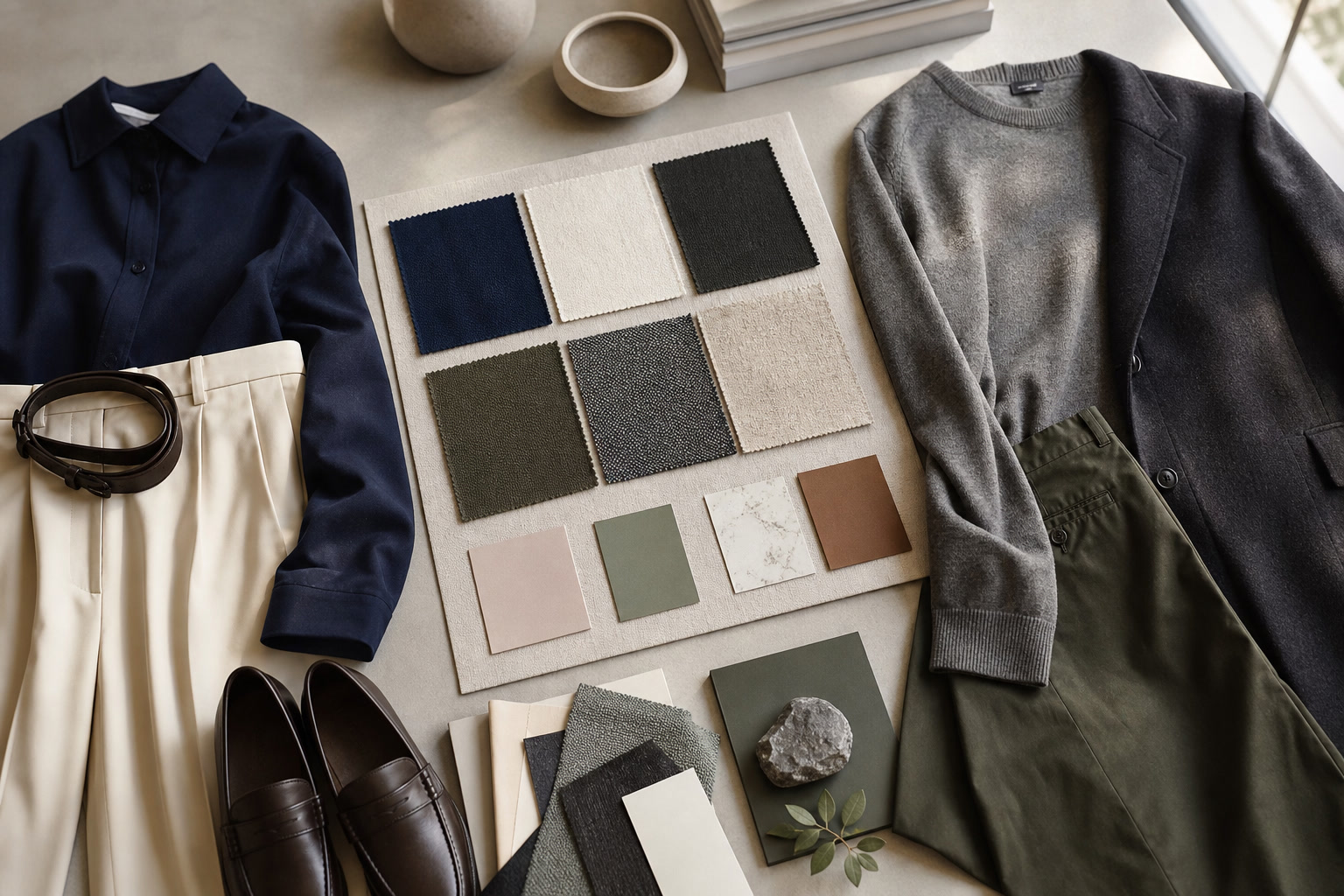
The seasonal fashion calendar thrives on the illusion of constant reinvention, pushing a rotating roster of ten or more highly specific shades every few months to manufacture a sense of urgency. However, translating a runway color palette into a functional daily wardrobe usually results in a closet full of isolated garments that refuse to cooperate with one another. Building a capsule wardrobe around a strict three-color foundation-typically a dominant neutral, a secondary grounding shade, and a calculated accent-shifts your closet from a collection of impulsive purchases to a cohesive, highly functional infrastructure. This restriction is not about stripping the joy from dressing; rather, it is a deliberate strategy to eliminate the daily friction of decision fatigue and reduce the hidden maintenance burdens associated with erratic dyes. When you limit your palette, you force yourself to pay closer attention to the architecture of the clothing itself, prioritizing drape, fiber quality, and construction over fleeting visual novelty. By committing to three core colors, you ensure that every piece you own actively works with the rest of your rotation, prioritizing the long-term longevity and utility of your garments over the temporary dopamine hit of a seasonal micro-trend.
The Mathematics of a Three-Color Daily Routine
The primary advantage of a three-color wardrobe lies in the simple combinatorics of getting dressed. When you own garments across ten different trendy colors, your wardrobe functions as a series of closed loops. That specific chartreuse blouse only works with those specific black trousers, and the lavender knit only pairs with your white denim. This fragmentation creates a daily routine fraught with logistical friction, where choosing an outfit requires navigating a minefield of clashing undertones. You spend more time managing the incompatibilities of your closet than actually wearing the clothes.
Conversely, a strict three-color palette transforms your closet into an open, highly efficient matrix. If your core foundation consists of navy, oat, and burgundy, pulling any top and any bottom from the rail in the dim light of a winter morning guarantees a coherent outfit. This drastically reduces the cognitive load of your morning routine. The mathematical permutations of a small, unified capsule yield significantly more wearable outfits than a massive closet full of disjointed colors. Five tops and five bottoms in ten conflicting shades might yield five safe outfits; the same number of garments in three harmonious colors yields twenty-five.
This streamlined routine extends far beyond the bedroom. For those who travel frequently, a three-color rule eliminates the stress of packing. You no longer need to pack separate shoes, belts, and coats to accommodate wildly different outfits. A single pair of dark brown loafers and a matching belt will cleanly anchor a navy and oat travel capsule, allowing you to pack half the volume while retaining twice the versatility. The three-color system is an exercise in ruthless editing, ensuring that your wardrobe operates at maximum efficiency without requiring constant, exhausting curation.
Material Behavior, Skin Tone, and Mitigating Returns Risk
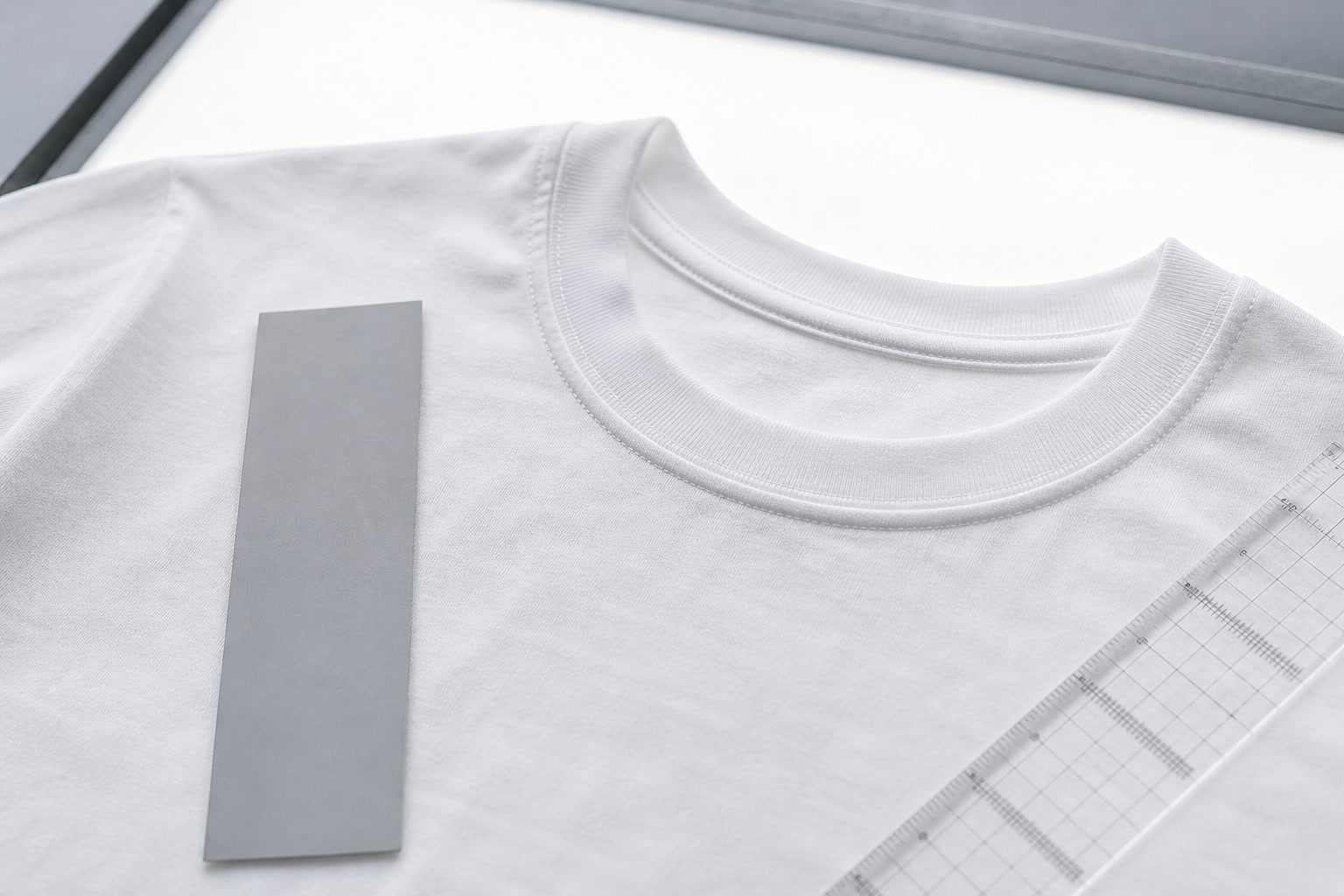
Color is not a flat, digital hex code; it is a physical dye interacting with a specific physical fiber. A trendy seasonal shade like 'Brat Green' might look vibrant and intentional on a synthetic slip skirt, but the exact same dye can appear sickly, flat, or muddy when applied to a heavy linen or a brushed wool sweater. When you cycle through ten different colors a year, you are constantly gambling on how a new dye will behave across different materials. This unpredictability is a primary driver of high online shopping return rates, forcing you into a tedious cycle of repackaging boxes and printing shipping labels.
Sticking to three core colors allows you to master the material behavior of your specific palette. You learn exactly how your chosen shade of camel absorbs light in a dense cashmere knit versus how it reflects light in a crisp cotton poplin. You begin to notice the subtle, beautiful variations that occur when a single color is executed across different textiles. This deep familiarity prevents the common, expensive mistake of buying a structurally sound garment that simply looks cheap because the dye interacts poorly with the fabric.
Furthermore, a stable palette allows you to lock in the colors that actually flatter your complexion. Your skin undertone does not change with the fashion seasons. A rotating cast of ten trendy colors guarantees that, for several months of the year, you will be wearing shades that wash you out, highlight dark circles, or clash with your natural coloring. By identifying three colors that consistently complement your skin-whether you are flushed in the summer heat or pale in the dead of winter-you create a reliable baseline of personal presentation. You stop buying clothes for the color, and start buying them for how the color makes you look.
The Maintenance Burden and Storage Efficiency
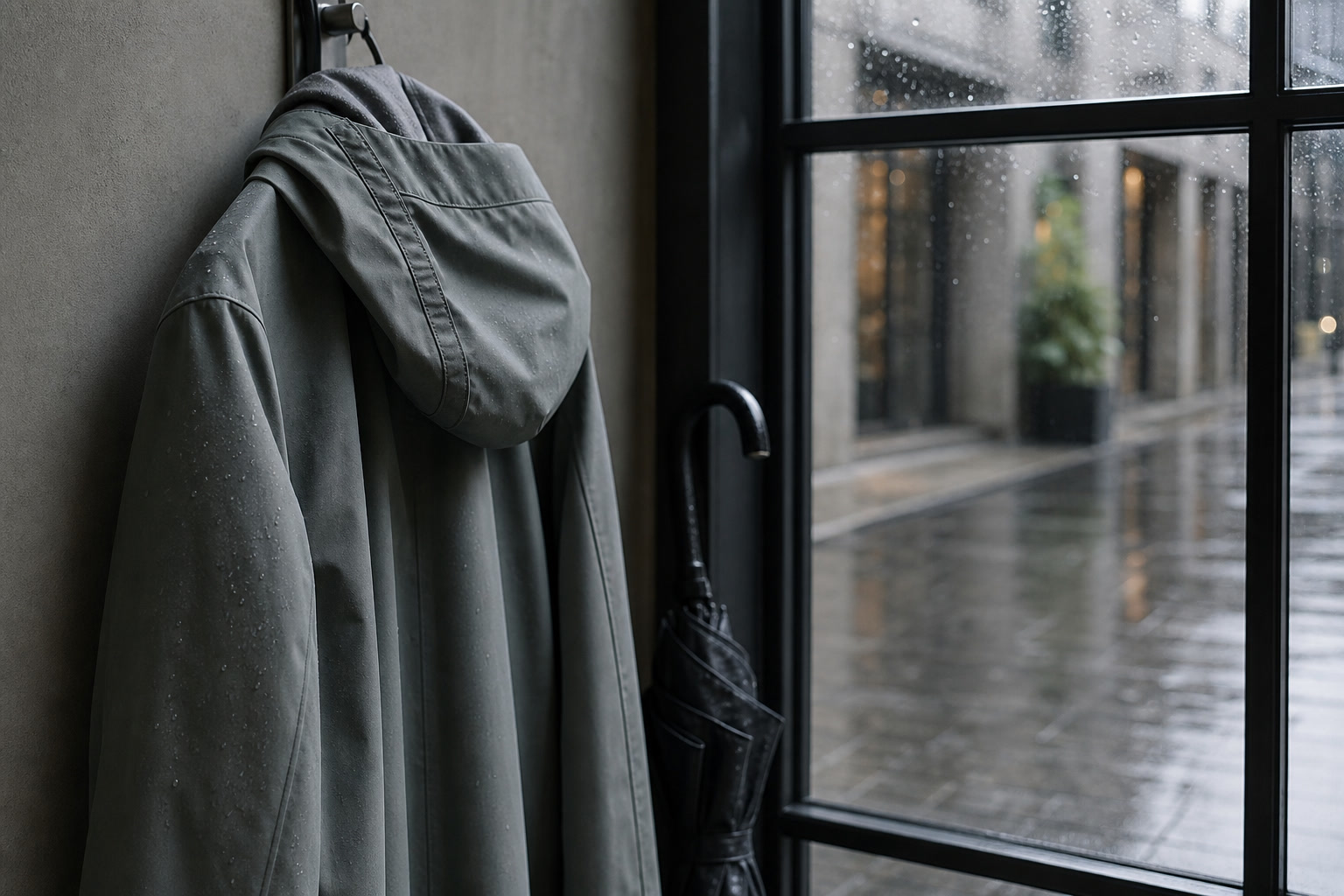
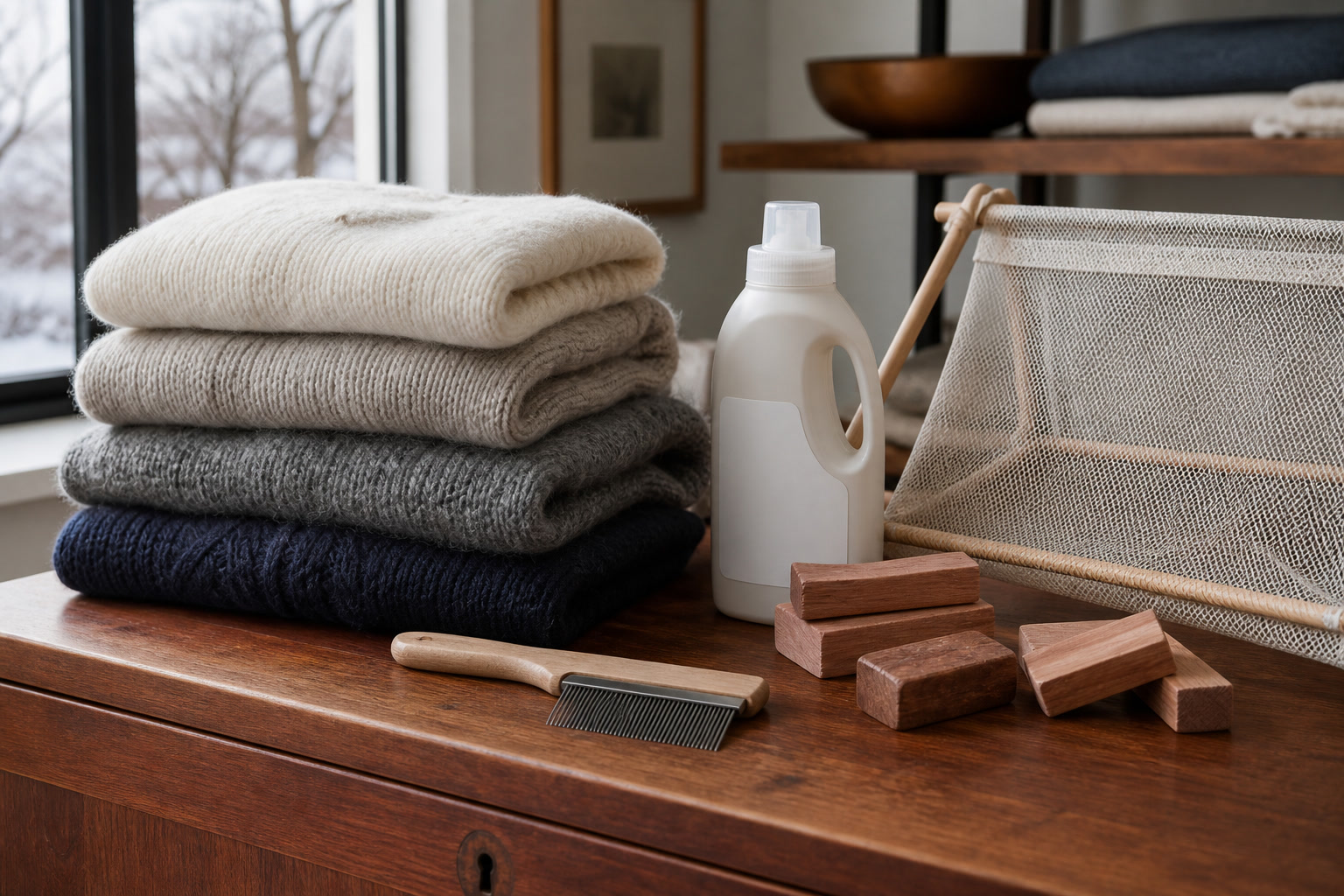
The unglamorous reality of wardrobe maintenance is often ignored during the purchasing phase. A closet fragmented across a dozen shades is a logistical nightmare on laundry day. You are forced to run multiple, inefficient micro-loads to prevent a cherry-red blouse from bleeding onto a stark white shirt, or you risk washing everything together and watching your lighter garments degrade into a muddy, irreversible grey. Trend colors often rely on unstable, highly saturated dyes that require specialized care, cold-water isolation, or frequent dry cleaning to maintain their original impact.
A three-color wardrobe streamlines this maintenance burden entirely. If your palette is restricted to black, charcoal, and cream, your laundry sorting becomes binary and low-fuss. You can run full, energy-efficient loads without the anxiety of color transfer. Beyond the washing machine, there is the inevitable issue of fading. Core neutral colors tend to age with significantly more grace than their neon or pastel counterparts. A slightly faded navy cotton chore coat gains character and a broken-in patina, whereas a faded magenta t-shirt simply looks exhausted and ready for the rag bin.
From a storage perspective, a unified color palette dramatically reduces the ambient visual noise of your living space. Opening a closet door to a chaotic rainbow of disjointed garments can induce a subtle but real sense of stress. A color-coordinated rail provides visual breathing room. It allows you to see the gaps in your wardrobe clearly, making it obvious when a piece is missing or when a category is over-represented. This visual cohesion transforms your closet from a storage unit for impulsive mistakes into a curated, calming archive of your personal style.
Long-Term Wear and the Slower Buying Cycle
The ultimate goal of the three-color methodology is to fundamentally alter your consumption habits and encourage slower buying decisions. Fast fashion relies heavily on trend colors to force planned obsolescence; when you buy a garment in a highly specific seasonal shade, it expires socially long before it expires structurally. You stop wearing the piece not because the seams tore, but because the color suddenly signals that the garment is two years out of date. This drives a relentless, expensive cycle of replacement.
When you commit to a three-color foundation, you naturally step off this treadmill. Your purchases become deliberate, focused on strategic upgrades rather than thoughtless accumulation. If your core winter sweater is a charcoal crewneck, and it eventually wears out after five years of heavy rotation, you replace it with the highest quality charcoal crewneck your budget allows. You are investing in a proven workhorse rather than gambling on a novelty piece. This drastically lowers your cost-per-wear and minimizes the environmental footprint of your personal style.
Over time, your closet evolves into a curated collection of high-quality pieces that accurately represent your actual lifestyle. You begin to view clothing as long-term infrastructure rather than disposable entertainment. The three-color rule is not just an aesthetic preference; it is a financial and ethical boundary. It protects your time from endless browsing, your budget from regrettable impulse buys, and your peace of mind from the chaotic demands of the seasonal trend cycle.
Pre-purchase checklist
- Hold any potential new purchase against at least three items currently in your closet; if it requires buying another piece to complete the outfit, abandon the purchase.
- Verify the care label of a new color against your established laundry routine to ensure it will not require isolated, single-item wash cycles.
- Test the garment in natural daylight to see how the dye interacts with the specific texture of the fabric, as artificial store lighting often masks flat or cheap dye jobs.
- Assess whether the color complements your skin undertone when you are wearing no makeup, ensuring it acts as a reliable baseline rather than a demanding statement.
- Review your wardrobe storage visually; a new piece should blend into the existing color blocking of your closet rail without creating a jarring focal point.
Who should skip this
The strict three-color capsule is not a universal mandate. If you are a genuine maximalist who uses vibrant, clashing colors as a form of daily emotional regulation or creative expression, this restrictive framework will feel suffocating rather than liberating. Similarly, individuals working in highly creative industries where eccentric, trend-forward dressing is a professional asset or a networking tool may find a muted, highly controlled palette detrimental to their personal branding. If the act of mixing unexpected seasonal shades brings you genuine joy, and you possess the time and budget to manage the accompanying laundry logistics and higher turnover rate, there is no need to force your wardrobe into a minimalist grid.
Affiliate transparency
FikaLooks operates as an independent editorial platform dedicated to slower, more intentional buying decisions. When you purchase through links in our articles, we may earn a commission. This funding structure allows us to maintain rigorous editorial standards and prioritize long-term garment performance over fleeting seasonal trends, ensuring our recommendations remain entirely objective and focused on utility.
FAQ
How do I transition from a chaotic, multi-colored closet to a strict three-color foundation without throwing everything away?
Do not purge your closet overnight. Start by identifying the three colors you already wear most frequently-these represent your organic core. Move all garments outside this triad to a secondary storage space or the far end of your closet rail. For the next month, dress exclusively from the core section. You will quickly identify the structural gaps in your foundation. Keep the out-of-palette items you genuinely miss, but let this trial period guide your future, more restricted purchasing decisions.
Does blue denim count as one of my three allocated colors?
In the context of wardrobe planning, traditional blue denim functions as a neutral canvas rather than a distinct color block. A mid-wash or dark indigo jean will absorb into almost any three-color palette without disrupting the visual cohesion of the capsule. However, if you opt for heavily dyed denim-such as a stark optic white, a saturated primary color, or an over-dyed black-those garments should be counted toward your core or secondary color allocations.
What if my seasonal color analysis suggests a palette that contradicts the neutral core colors I actually prefer to wear?
Seasonal color analysis is a diagnostic tool, not a strict legal framework. If an analyst suggests warm autumn oranges but you feel most confident and grounded in stark winter blacks and cool navies, prioritize your psychological comfort. You can bridge this gap by keeping your preferred neutrals for your primary, high-investment garments like coats and trousers, and deploying the recommended analysis colors in small, easily swappable accents like scarves or knit collars that sit close to your face.
How do I handle formalwear or highly specific event dressing within such a limited color constraint?
Formalwear actually benefits immensely from a restricted palette. A high-quality black, navy, or deep burgundy evening dress or tailored suit will never look dated in photographs and can be repeated across multiple weddings or galas without drawing unwanted attention. You alter the outfit's context through accessories, footwear, and styling, rather than buying a new, brightly colored gown for every single invitation, which ultimately saves money and closet space.