Weekend Travel Wardrobe
Weekend Travel Wardrobe is a packing edit for readers weighing carry-on outfits, wrinkle control, shoes, and weather flexibility. The wardrobe decision note explains what to check before buying, who should skip it, and where the purchase can become more work than it first appears.
The seventy-two-hour getaway is often paradoxically the hardest trip to pack for. Caught between the brevity of the timeline and the unpredictability of a new environment, the default human instinct is to overcompensate, resulting in a weekender bag that requires sheer force to zip and a strained shoulder to carry. A three-day, two-night itinerary does not require a sprawling sartorial selection; it demands a tightly edited micro-capsule where every garment earns its place through rigorous versatility and superior material behavior. The goal is to eliminate the friction of transit and the visual clutter of a hotel room scattered with unworn 'just in case' garments. By focusing on how fabrics recover from being compressed, how silhouettes interact with one another, and how to minimize the maintenance burden upon arrival, you can curate a weekend wardrobe that feels expansive in its possibilities yet physically weighs almost nothing. This approach shifts the focus from packing anxiety to the actual experience of your destination, ensuring that your luggage serves you, rather than the other way around.
The Core Foundation: Material Behavior Under Transit Stress
The success of a weekend wardrobe hinges entirely on the physical properties of the fabrics you choose to pack and wear in transit. When you are confined to a train seat or an airplane cabin for several hours, your clothing is subjected to sustained pressure, fluctuating temperatures, and varying humidity levels. Rigid, heavy-weight denim or pure, untreated linen will inevitably betray you, arriving at your destination mapped with deep, permanent creases that no hotel bathroom steam session can eradicate. Instead, the foundation of your travel capsule should rely on high-twist worsted wools, heavy-weight ponte knits, and tightly woven technical silks. High-twist wool, in particular, possesses a natural elasticity; the yarns act like microscopic springs, allowing trousers to drape cleanly after hours of sitting. Before placing any item in your bag, subject it to a simple compression test: crush the fabric tightly in your fist for thirty seconds. If the wrinkles do not fall out immediately upon release, the garment stays home.
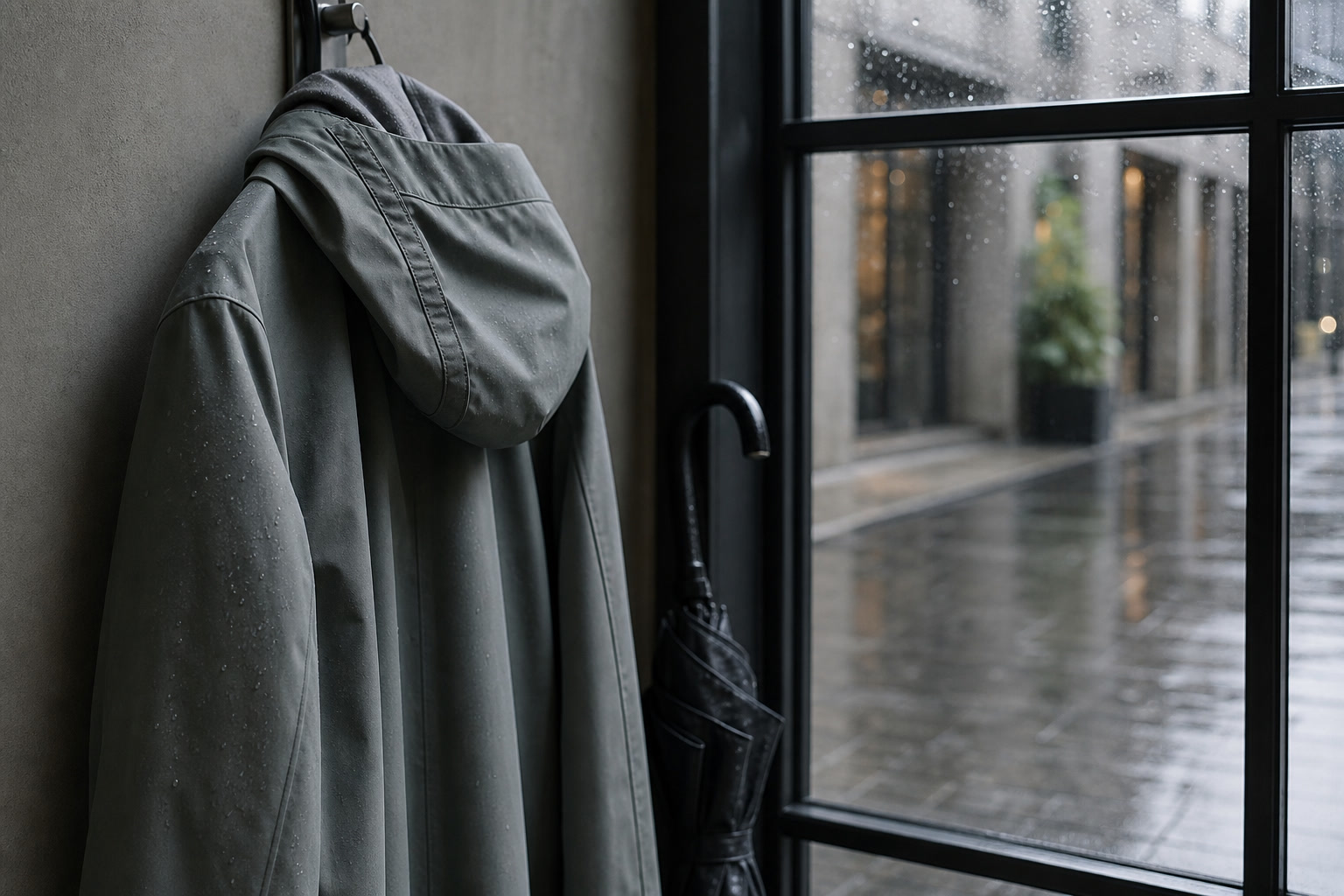
Equally critical is how these materials interact with your skin across different microclimates. Travel inherently involves abrupt environmental shifts-from a heavily air-conditioned terminal to a humid city street. Base layers dictate your comfort here. Fine-gauge merino wool is unparalleled for travel; it actively regulates body temperature and possesses natural antimicrobial properties, meaning a single merino t-shirt can be worn on a sweaty travel day, aired out overnight, and worn again without retaining odor. Avoid synthetic blends that trap heat and moisture, as they will quickly feel clammy and require immediate laundering, adding an unnecessary maintenance burden to a short trip. Your transit outfit should be your heaviest, bulkiest clothing-typically a structured jacket, your most substantial trousers, and your primary walking shoes-strategically layered to allow you to peel off or add pieces as the environment demands.
The maintenance burden upon arrival must be factored into your packing calculus. Relying on a hotel iron is a high-risk strategy; they are frequently poorly maintained, prone to spitting rusty water, and calibrated inconsistently, posing a severe threat to delicate fabrics. Your weekend wardrobe should ideally require zero mechanical intervention. Garments cut from cupro, Tencel, or treated silk blends will generally relax perfectly if hung in the bathroom while you take a hot shower. If you must pack items prone to slight wrinkling, ensure they are dark-colored or heavily patterned, as these visual elements naturally camouflage minor creases. The objective is to unpack, hang your two or three core pieces, and immediately leave the room, rather than spending the first hour of your Friday evening wrestling with an ironing board.
The 72-Hour Formula: Building the Micro-Capsule
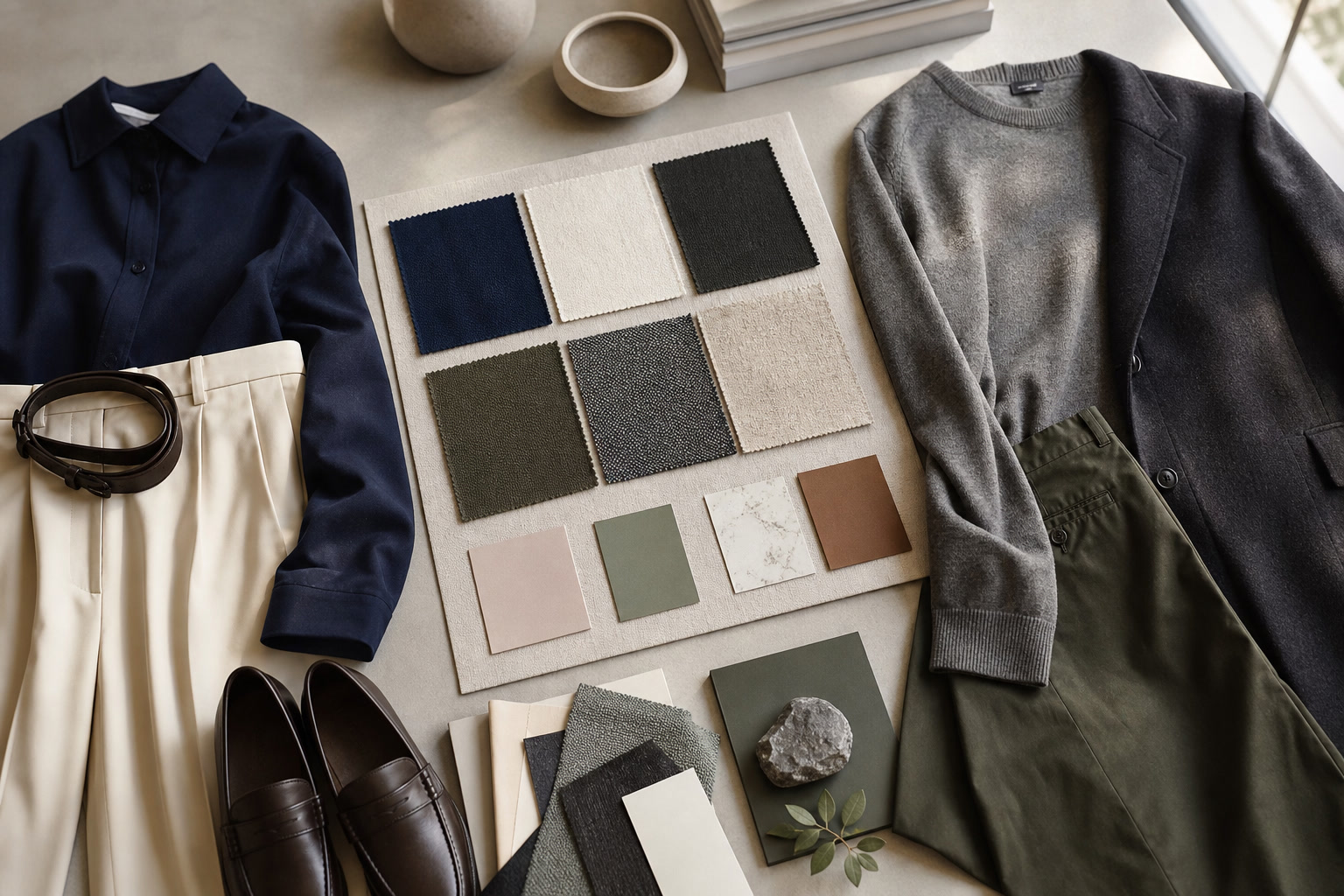
For a three-day, two-night itinerary, the mathematical formula for packing is remarkably straightforward: the 3-2-1-1 method. This translates to three tops, two bottoms, one versatile one-piece (a dress or jumpsuit), and one piece of outerwear. When combined with the outfit you wear in transit, this yields enough permutations to cover morning coffee runs, afternoon museum visits, and evening dinners without repeating an exact look. The crucial caveat to this formula is absolute silhouette compatibility. Every single top must pair flawlessly with both bottoms. If a blouse only works with a specific skirt, or a pair of trousers demands a heel you aren't packing, the formula collapses. Stick to a cohesive color palette-anchored by two neutrals like navy and camel, or charcoal and ivory-and use textures rather than loud prints to create visual interest.
Fit and proportion are the invisible threads that tie a micro-capsule together. High-waisted, slightly relaxed trousers are universally adaptable; they can be paired with a crisp button-down for a polished daytime aesthetic or worn with a silk camisole for an evening reservation. Avoid garments with overly complex closures, restrictive tailoring, or those that require highly specific, single-use undergarments. A backless dress might look spectacular, but if it requires packing a specialized adhesive bra that serves no other purpose, it violates the efficiency rule of the weekend bag. Focus instead on architectural basics: a slightly oversized poplin shirt that can be worn fully buttoned, left open over a tank top as a light jacket, or tied at the waist to alter its hemline.
The greatest enemy of the weekend bag is the 'just in case' mentality. This psychological trap convinces you to pack a sequined top for a quiet countryside retreat or a heavy rain boot when the forecast predicts a ten percent chance of drizzle. You must pack for the reality of your itinerary, not a hypothetical alternate universe. If an unexpected formal event arises, a beautifully cut silk slip dress-which takes up the space of an apple in your luggage-can be dressed up with a red lip and sleek hair. If the weather turns unseasonably cold, layering your merino base under your poplin shirt and topping it with your transit jacket provides substantial warmth. Trust in the structural versatility of your core pieces rather than attempting to pack a distinct outfit for every conceivable scenario.
Footwear: The Heaviest Culprit and How to Compromise
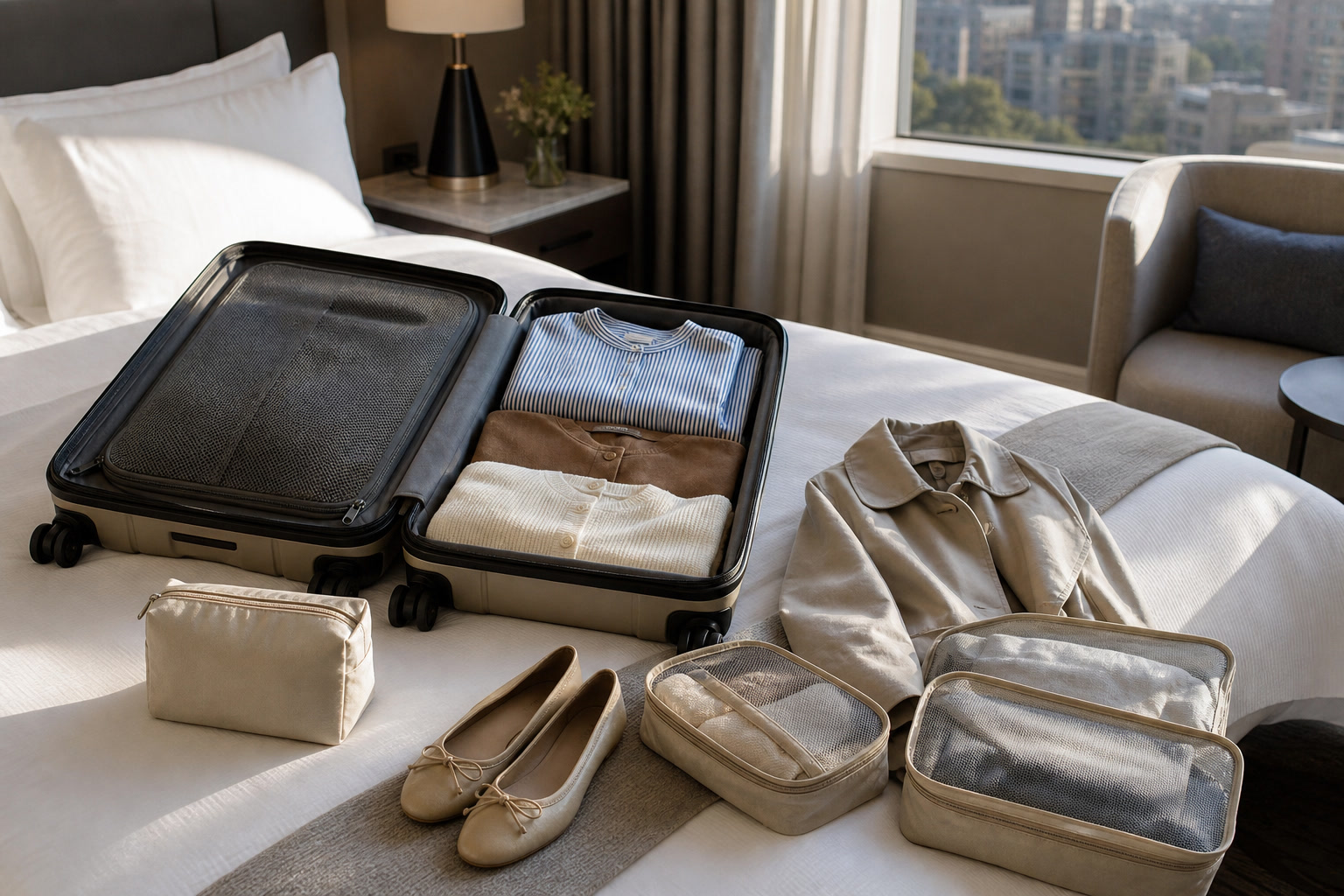
Footwear is the single largest consumer of cubic inches and weight in any piece of luggage, making it the most critical category to edit. For a weekend trip, a strict two-shoe maximum must be enforced. The pair you wear in transit should be your primary walking shoe-typically a supportive, structured leather sneaker, a Chelsea boot, or a robust loafer. This pair must be capable of handling ten thousand steps on uneven pavement or cobblestones without causing fatigue. The second pair, which goes into your bag, should be a lightweight, low-profile alternative designed for evenings or brief outings. An unlined suede loafer, a classic ballet flat, or a sleek mule works perfectly here. They compress easily, weigh very little, and instantly shift the tone of your daytime trousers or dress into something appropriate for a dimly lit restaurant.
Never, under any circumstances, pack a brand-new, unbroken-in pair of shoes for a weekend trip. The blister risk is too high, and a painful foot will immediately ruin a short itinerary. A shoe's fitness for travel goes beyond a quick walk around your living room; you must understand how the leather behaves when your feet inevitably swell after a flight or a long drive. Ensure your primary walking shoes have an adequate toe box and sufficient arch support. If you are relying on a leather boot, consider the weight of the sole-a lightweight EVA lug sole offers the aesthetic of a heavy combat boot without the exhausting physical drag, saving your legs from premature fatigue during long days of exploration.
When packing that second pair of shoes, storage mechanics matter. Shoes should never be thrown loosely into a weekender bag where their soles can soil your clothing or their structure can be crushed. Always use dedicated fabric dust bags. To maximize space and maintain the shoe's shape, stuff the toe boxes with your rolled socks and underwear. This serves a dual purpose: it prevents the leather from collapsing under the weight of your cosmetics bag and utilizes the dead space inside the shoe. If you are traveling with particularly delicate suede or satin flats, position them along the perimeter of your bag, soles facing outward against the canvas or leather shell, to protect them from the heavier items in the center of your luggage.
Undergarments, Toiletries, and the Maintenance Burden
The toiletry bag is frequently the densest, most disorganized component of a weekend traveler's luggage. Carrying full-sized glass bottles of foundation or heavy tubs of moisturizer for a 72-hour trip is a profound misallocation of weight. The solution is rigorous decanting and a shift toward solid formats. Invest in a set of medical-grade, airless pump bottles; they ensure you use every drop of product, prevent oxidation, and never leak under cabin pressure. For a weekend, you need no more than 15ml of any liquid cleanser or moisturizer. Furthermore, prioritize multi-use color cosmetics. A high-quality cream pigment that functions beautifully on both lips and cheeks eliminates the need for multiple compacts and brushes. Leave the elaborate ten-step skincare routine at home; focus on a gentle cleanser, a robust moisturizer, and a dedicated SPF.
Undergarment math for a weekend trip should be exact, with a margin of error of precisely one. Pack one pair of underwear for each day, plus one spare. The material of your undergarments dictates their travel viability. Opt for clean modal or superfine merino wool blends. These fabrics lie flat under lightweight trousers, preventing visible lines, and more importantly, they dry exceptionally fast. While you shouldn't plan on doing laundry during a three-day trip, the ability to sink-wash a pair of merino underwear in a hotel basin and have it bone-dry by morning provides a psychological safety net that prevents overpacking. Bras should be limited to two: one comfortable, wire-free option worn in transit, and one structured option packed flat, with the cups stuffed with socks to prevent crushing.
The use of packing accessories for a weekend bag requires careful consideration, as the wrong accessories can actually reduce your available space. Cheap, rigid packing cubes with thick piping add unnecessary bulk and rarely conform to the soft, unstructured shape of a classic canvas or leather weekender. Instead, if you choose to use organizers, invest in ultra-lightweight silnylon cubes or simple cotton drawstring bags. These materials add zero weight and compress dynamically around your clothing. For a three-day trip, you generally only need one medium cube to corral your folded tops and bottoms, leaving bulkier items like your spare shoes and toiletry bag to fill the remaining structural gaps in the luggage.
The Return Journey and Long-Term Wardrobe Integration
A truly optimized weekend wardrobe proves its worth on Sunday afternoon when it is time to pack for the return journey. By the end of the trip, the pristine organization of Friday morning has naturally degraded, and the goal shifts from wrinkle prevention to separating clean from soiled. Always pack one ultra-thin, nylon laundry bag. As you wear items, they go directly into this bag, keeping odors and oils away from any unworn pieces. Because you have packed a tightly edited capsule, your bag should physically feel exactly the same weight on the return trip-there should be no struggle to close the zipper, as the volume of your possessions has not changed. The transit outfit you wore on Friday should ideally be worn again on Sunday, acting as the consistent bookends of your travel experience.
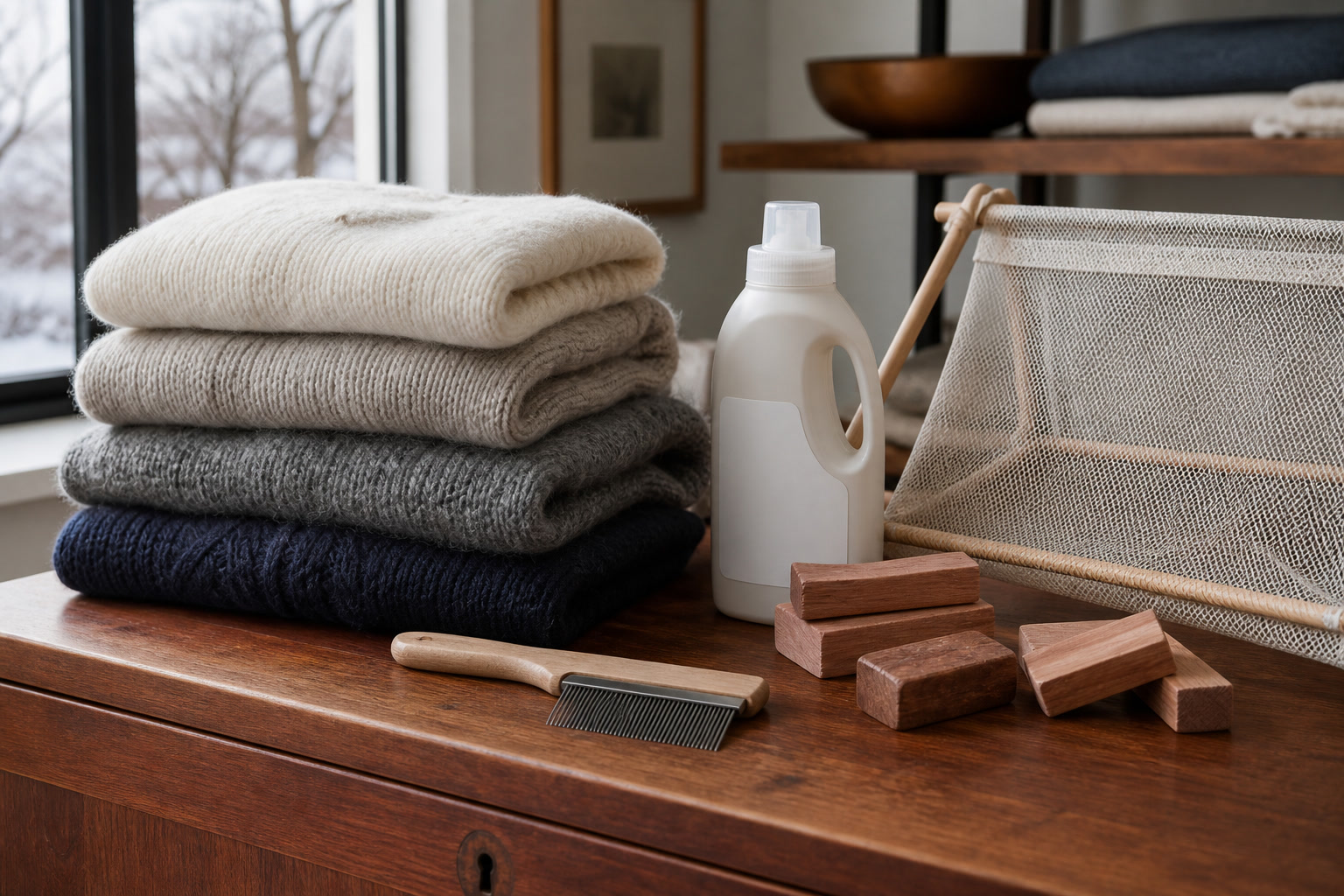
The true cost of a travel wardrobe is measured in its post-trip maintenance and everyday utility. If you buy a 'travel dress' that requires expensive dry cleaning after a single wear, its cost-per-use becomes astronomical. The garments you pack for a weekend should be fully integrated into your regular, everyday wardrobe. Upon returning home, high-quality woolens should simply be hung near an open window to air out, while silks and cottons can be spot-cleaned or run through a gentle, cold-water machine cycle. Avoid purchasing highly specific 'travel apparel'-often characterized by excessive zippers, synthetic rustling fabrics, and unflattering cuts. True travel clothing is simply well-made, natural-fiber clothing that fits you perfectly and requires minimal post-wear intervention.
Finally, the luggage itself must align with your physical realities and transit modes. A beautiful, heavy-gauge leather duffel bag looks incredibly romantic on a train platform, but if it lacks a shoulder strap and weighs eight pounds empty, it will cause severe shoulder strain before you even reach your hotel. For weekend trips involving significant walking or public transit, a soft-sided canvas weekender with leather reinforcements, or a small, two-wheeled cabin bag, is vastly superior. Assess your physical limits honestly. The ultimate luxury in travel is not the sheer volume of choices you bring with you, but the physical ease and unburdened mobility that comes from knowing you have exactly what you need, and absolutely nothing more.
Pre-purchase checklist
- Perform the 30-second fist-crush test on all packed fabrics to verify wrinkle recovery.
- Confirm absolute silhouette compatibility: ensure every single top pairs flawlessly with both packed bottoms.
- Verify footwear readiness by ensuring your primary transit shoes have comfortably survived a minimum 10,000-step day.
- Decant all necessary skincare into airless pump bottles, strictly limiting volumes to 15ml per product.
- Pack one highly compressible, weather-appropriate contingency layer (e.g., a fine merino base or a thin silk thermal).
Who should skip this
This minimalist, highly integrated packing approach is not suitable for travelers attending highly specific, formal events-such as a black-tie wedding or a specialized gala-where the required garments dictate their own bulky accessories, footwear, and protective garment bags. Furthermore, individuals traveling to destinations with extreme, unpredictable weather patterns that necessitate heavy, technical gear (like sub-zero parkas or specialized hiking boots) will find a soft weekender bag insufficient. If your itinerary requires multiple costume changes for distinct, non-overlapping activities, you will need to upgrade to a structured, hard-shell carry-on to accommodate the necessary volume and protect delicate eveningwear.
Affiliate transparency
FikaLooks maintains strict editorial independence. The packing methodologies, fabric recommendations, and luggage strategies discussed in this manual are developed through rigorous, real-world travel experience and long-term wardrobe analysis. If you choose to purchase travel accessories or garments through the links provided in our broader shopping guides, we may earn a commission, which funds our ongoing editorial research without influencing our curation standards.
FAQ
What is the best strategy if the weather forecast changes drastically mid-trip?
The solution lies in structural layering rather than packing entirely new outfits. If the temperature drops unexpectedly, layer your thin, temperature-regulating merino wool base layer underneath your poplin shirts or dresses, and wear your heavier transit jacket. If it becomes unseasonably warm, rely on the breathable nature of your worsted wool trousers and silk tops. Always ensure your core pieces are loose enough to accommodate a slim layer underneath.
How do I pack a tailored blazer in a soft weekender bag without ruining the shoulder structure?
Ideally, a tailored blazer should be worn in transit to completely avoid packing stress. However, if you must pack it, use the 'inside-out shoulder tuck' method. Pop one shoulder pad inside out, then fold the other shoulder directly into it, so the lining faces outward and the lapels are protected. Fold the jacket in half horizontally and place it at the very top of your bag, ensuring no heavy items (like shoes or toiletry bags) rest on top of it.
Are packing cubes actually necessary for a small three-day weekender bag?
It depends entirely on the structure of your bag and the cubes themselves. If you are using a soft, unstructured canvas duffel, rigid packing cubes will create awkward, bulky geometric shapes that waste space. In this scenario, rolling clothes directly into the bag or using ultra-thin, compressible silnylon sacks is superior. Cubes are only strictly necessary if you need to heavily compress bulky knits or if you are using a hard-shell suitcase.
How do I handle unexpected stains if I only brought exact outfit permutations?
Because a micro-capsule leaves little room for error, immediate stain mitigation is vital. Always carry a reliable, bleach-free spot treatment pen in your toiletry kit. For oil-based stains (like salad dressing at dinner), immediately blot the area and apply a tiny amount of your decanted face or body wash, which contains surfactants designed to break down oils. If a top is truly ruined, your versatile one-piece (the dress or jumpsuit) or your button-down shirt worn closed can cleanly fill the gap in your rotation.