Spring Capsule Wardrobe
Spring Capsule Wardrobe is a shopping guide for readers weighing layering math, repeat outfits, and transitional pieces. The wardrobe decision note explains what to check before buying, who should skip it, and where the purchase can become more work than it first appears.

Spring dressing is notoriously volatile, characterized by freezing mornings that dissolve into humid, sun-drenched afternoons. The traditional retail response is to push pastel-hued, lightweight acquisitions that ultimately sit unworn until late May. A spring capsule wardrobe is not about arbitrary numerical limits or minimalist deprivation; it is a structural approach to transitional dressing that relies on interlocking layers, strategic fabric weights, and rigorous fit standards. By reducing the volume of your closet, you force a higher standard for the garments that remain, ensuring every piece serves multiple functions. This guide examines the mechanics of building a highly functional spring rotation, focusing on how materials behave in fluctuating temperatures, the hidden maintenance burdens of transitional fabrics, and the specific tailoring requirements necessary to make a small collection of clothes feel perpetually sharp. When you buy fewer items, the ones you do acquire must perform flawlessly under the stress of repeated weekly wear.
The Core Architecture: Transitional Outerwear
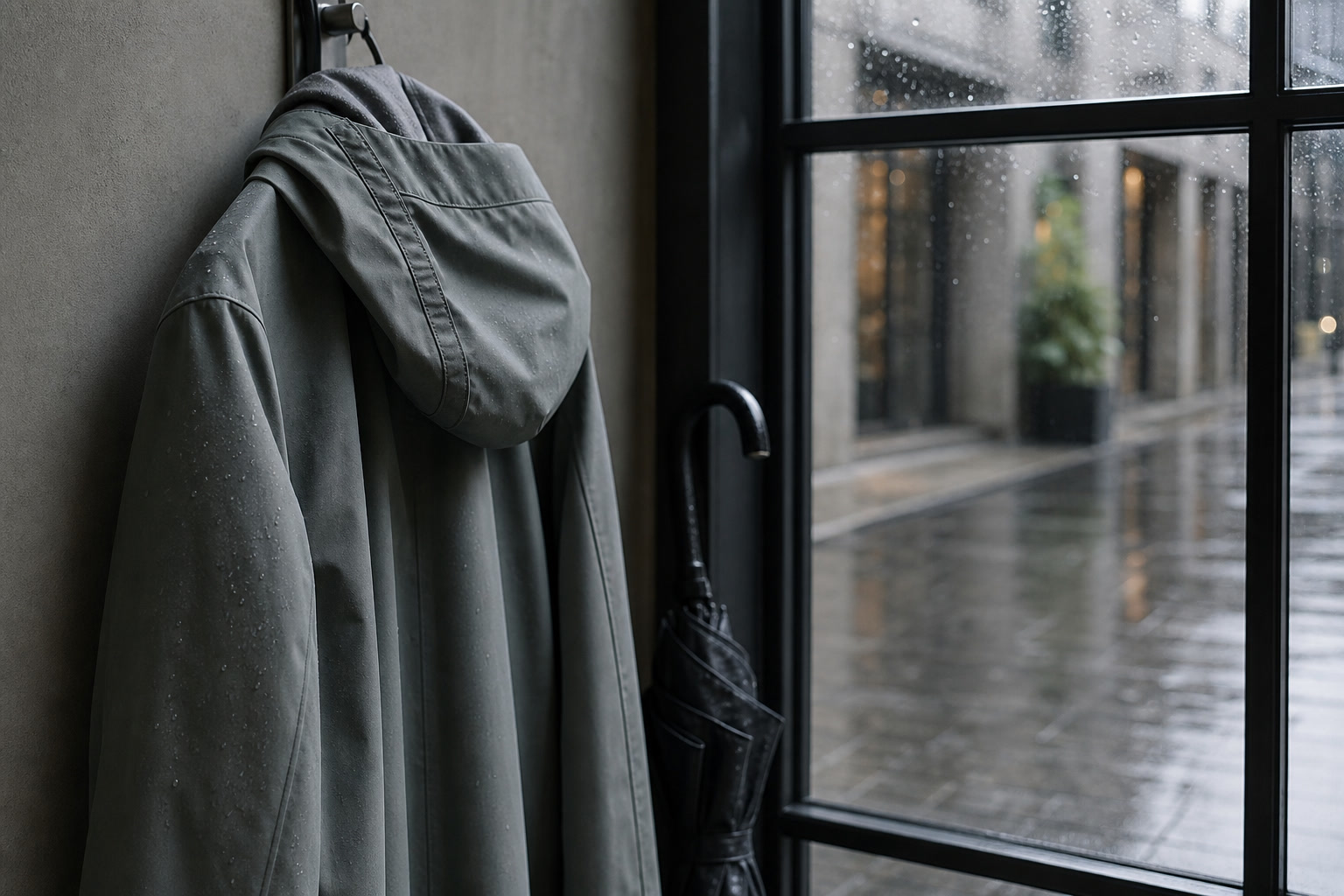
The foundation of a spring capsule rests entirely on the performance of its outerwear. The transitional coat-whether a classic cotton-gabardine trench, a lightweight mac, or an oversized wool blazer-must bridge the gap between winter insulation and summer exposure. Fit is the critical variable here, specifically the geometry of the shoulders and the depth of the armholes. A trench coat cut too high in the underarm will comfortably accommodate a silk blouse but will bunch aggressively when layered over a chunky cotton cardigan, rendering it useless on colder April mornings. When evaluating outerwear, prioritize raglan sleeves or dropped shoulders, which offer the mechanical tolerance required for varied base layers without distorting the garment's external silhouette.
Material behavior in spring outerwear dictates its long-term viability. Traditional tightly woven cotton gabardine offers excellent wind resistance and moderate water repellency, but it is prone to severe wrinkling across the back and inside the elbows after sitting. If your daily routine involves long commutes or frequent travel, consider a technical wool blend or a treated cupro fabric, which provides a similar drape but recovers from creasing far more efficiently. The weight of the fabric must also be substantial enough to anchor an outfit; flimsy, unlined spring coats often cling to the garments beneath them, creating an untidy, rumpled appearance that undermines the polished intent of a capsule wardrobe.
The returns risk for tailored spring outerwear is exceptionally high due to sizing inconsistencies and the specific placement of structural details. Belt loops on trench coats, for instance, are statically placed; if you are shorter or taller than the fit model, the belt may sit awkwardly above your natural waist or drag across your hips, destroying the intended proportions. Before committing to a purchase, rigorously check the sleeve length-which should hit exactly at the break of the wrist to allow a sliver of your shirt cuff to show-and assess whether the cost of moving belt loops or shortening sleeves makes the investment mathematically sound.
For those looking to avoid new acquisitions, the most effective alternative is the rehabilitation of existing pieces. A vintage men's blazer, properly tailored to suppress the waist and adjust the shoulders, often provides superior canvas construction and fabric quality compared to contemporary mid-tier options. Similarly, older cotton trench coats can be professionally re-proofed with modern water-resistant treatments, restoring their utility for spring showers. This approach not only bypasses the initial retail markup but also introduces a unique patina and character into a wardrobe that might otherwise feel overly sterile and newly minted.
Anchoring the Lower Half: Trousers and Transitional Skirts
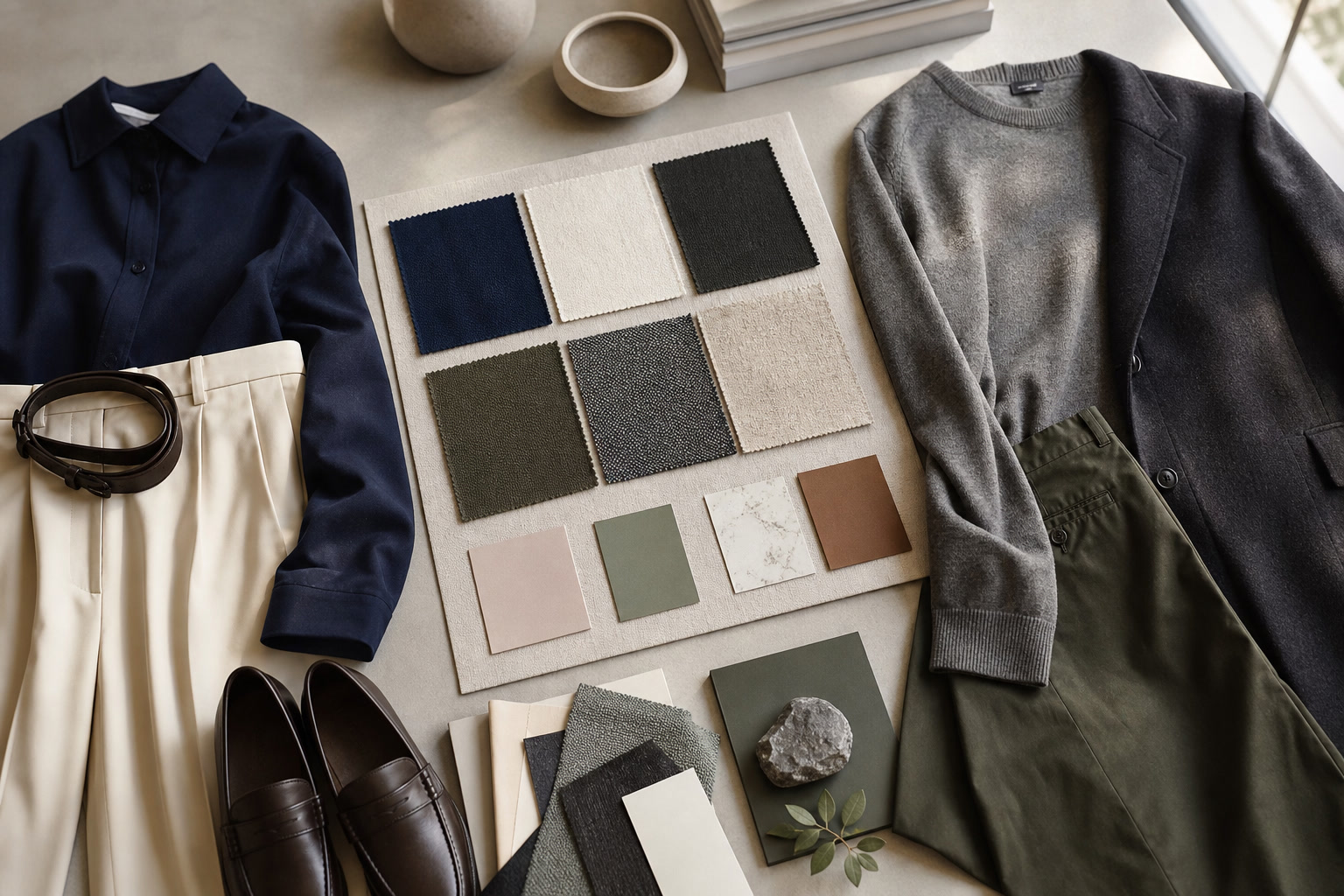
The tailored wide-leg trouser has become the default anchor for the modern capsule, but its success hinges on the precise behavior of the fabric in motion. Heavy wool crepe or tropical wool blends are ideal for spring; they possess enough weight to pull the trouser leg straight down, creating a clean vertical line, while remaining breathable. Conversely, linen trousers, while romantically associated with spring, present a severe maintenance challenge. They bag at the knees and crease sharply across the lap within minutes of sitting. If you opt for linen, it must be blended with viscose or cotton to stabilize the weave and reduce the severity of the wrinkling, ensuring the trouser remains presentable for a full workday.
The returns risk for tailored trousers is arguably the highest of any garment category. Off-the-rack sizing rarely accommodates the nuanced ratios between the waist, hip, and thigh. A common pitfall is purchasing trousers that fit perfectly at the waist but pull across the hips, causing the side pockets to flare open-a structural failure that ruins the garment's line. It is always a safer strategy to purchase a size up to ensure the fabric drapes cleanly over the hips and thighs, and immediately take the garment to a tailor to have the waist taken in. Factor a $30 to $50 tailoring surcharge into the initial purchase price of any structured pant.
Bias-cut skirts offer a fluid alternative to trousers, gracefully navigating the shifting spring temperatures. However, the dry air of early spring creates significant static electricity, causing lightweight silk or satin to cling uncomfortably to the legs. This material behavior can be mitigated by wearing a specialized anti-static slip or lightly misting the inside of the skirt with water before leaving the house. Storage is another critical factor for bias-cut garments; they must never be hung on clip hangers, as the constant downward pull will permanently stretch and distort the bias seams. They should be loosely folded and stored flat in a drawer to preserve their shape.
Denim transitions in spring require a move away from rigid, heavy-ounce winter selvedge toward lighter washes and softer weaves. A mid-blue, straight-leg jean acts as a visual palate cleanser, bridging the gap between heavy winter knits and delicate summer blouses. The maintenance of spring denim should prioritize shape retention over cleanliness; washing jeans too frequently breaks down the cotton fibers and fades the dye unpredictably. Spot cleaning and airing them out overnight is generally sufficient. When washing is necessary, use cold water and a specialized denim detergent, and never subject them to the heat of a tumble dryer, which will instantly destroy the elastane and warp the waistband.
Footwear and Hardware: The Multipliers
Accessories and footwear are the multipliers in a capsule wardrobe; they are the mechanisms that shift a simple combination of trousers and a shirt from casual to formal. The leather loafer or a low-heeled slingback is the quintessential spring shoe, offering coverage for cooler days and breathability for warmer afternoons. However, the break-in period for high-quality, full-grain leather footwear can be brutal. Anticipate blistering at the heel and tightness across the vamp for the first dozen wears. To accelerate this process without damaging your feet, wear the shoes indoors with thick socks for short intervals, and apply a leather conditioner to soften the stress points before taking them out for a full day.
Long-term use of spring footwear requires proactive maintenance, particularly given the unpredictability of spring rain. Leather soles will degrade rapidly if repeatedly soaked. Before integrating a new pair of loafers into your daily rotation, take them to a cobbler to have a thin rubber half-sole applied. This simple addition drastically improves traction on wet spring pavements and extends the life of the shoe indefinitely, as the rubber can be replaced for a fraction of the cost of a full leather resole. Suede footwear, while beautiful in dry weather, requires a rigorous application of hydrophobic protective spray and a dedicated suede brush to erase water spots immediately after exposure.
Belts and bags serve as the architectural hardware of your outfits. A structured leather belt can entirely alter the silhouette of an oversized blazer or a loose linen dress, instantly redefining the waist and adding a point of polish. The quality of the hardware-buckles, clasps, and zippers-is the most accurate indicator of an accessory's longevity. Avoid items with thinly plated, high-shine hardware, which will inevitably scratch, chip, and reveal the cheap alloy beneath. Solid brass or stainless steel hardware develops a natural, elegant patina over time, aligning perfectly with the ethos of a wardrobe built for endurance rather than seasonal disposal.
The organization of these accessories is vital for daily efficiency. Belts should be hung by their buckles rather than rolled tightly, which stresses the leather and causes cracking at the holes. Handbags must be emptied daily and stuffed with acid-free tissue paper to prevent the leather from collapsing and forming permanent creases. By treating your footwear and hardware with the same rigorous care as your tailored garments, you ensure that the finishing touches of your capsule wardrobe remain sharp, giving repeated wear of your core clothing items without requiring constant replacement.
Wardrobe Operations: Routine and Storage
A successful capsule wardrobe is not merely a collection of clothes; it is an operational system that requires a dedicated maintenance routine. Wearing the same ten to fifteen garments repeatedly means they will accumulate wear, odors, and wrinkles at an accelerated rate. Designating a specific time each week for wardrobe maintenance is essential. This includes steaming silks, pressing poplin collars, brushing wool trousers to remove surface dust, and hand-washing delicate knits. Accepting this higher maintenance burden per item is the trade-off for the mental clarity and financial savings of owning fewer clothes. If you neglect the maintenance loop, a capsule wardrobe quickly degrades into a pile of unwearable, rumpled laundry.
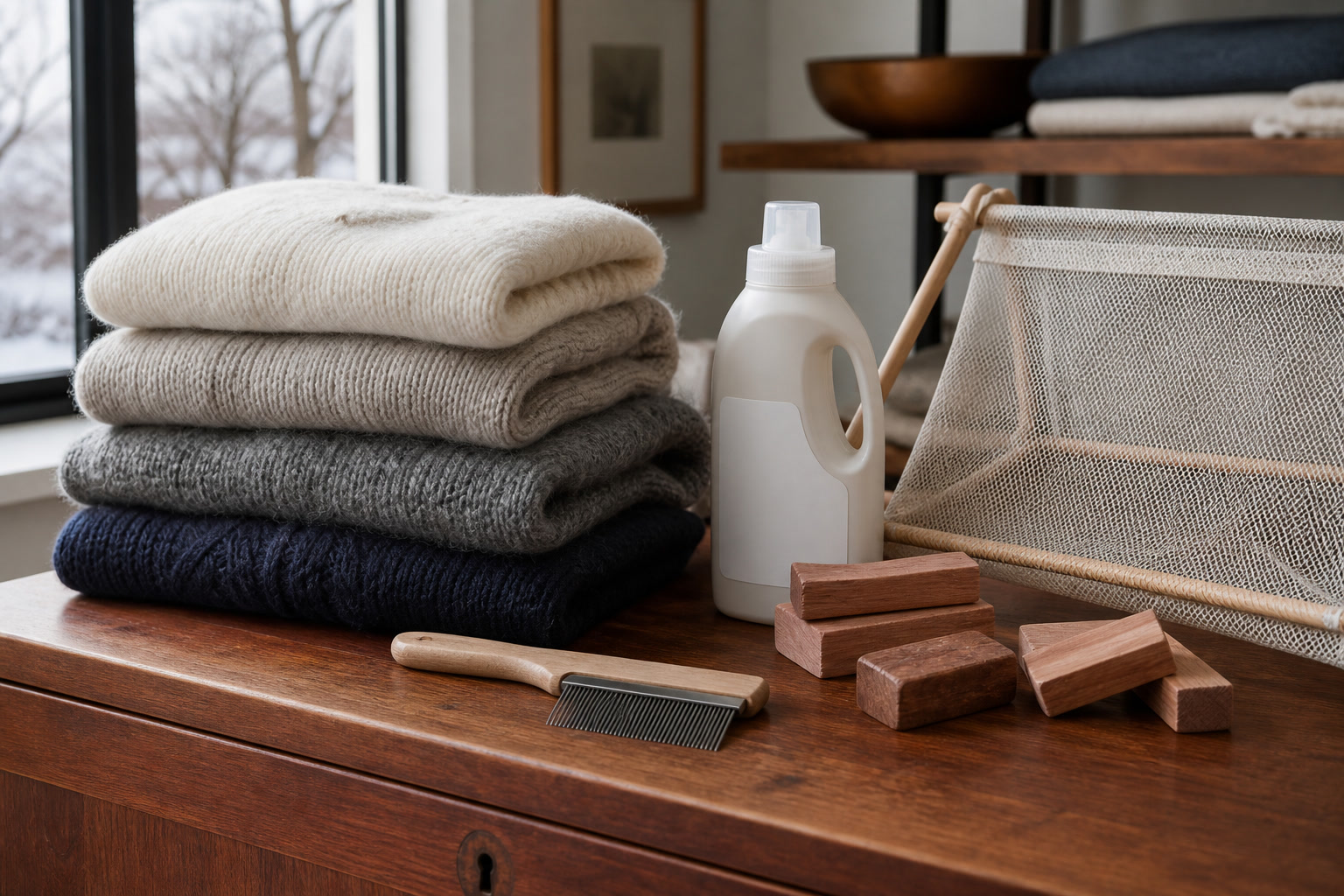
The physical transition of your closet space is equally important. A spring capsule cannot function effectively if it is physically crowded by heavy winter parkas and thick cashmere sweaters. The act of rotating your wardrobe is a critical psychological boundary. Before storing winter items, they must be meticulously cleaned; storing a wool sweater with invisible food particles or skin oils is a guaranteed invitation for moth larvae. Utilize breathable cotton garment bags and cedar blocks for long-term storage, completely removing the visual noise of winter from your daily dressing area. This physical space allows your spring pieces to hang properly without crushing, preserving their pressed state.
Combating sartorial fatigue-the inevitable boredom that arises from wearing the same pieces-requires styling ingenuity rather than new purchases. The freshness of a capsule wardrobe comes from how the items are deployed. A lightweight cardigan worn traditionally on Monday can be draped and knotted over the shoulders of a trench coat on Thursday to add textural interest. Cuffing the sleeves of a button-down, swapping a slim belt for a wide one, or changing the anchoring footwear can entirely alter the context of an outfit. The goal is to view your garments as flexible tools rather than fixed, single-use costumes.
Ultimately, the success of this approach relies on resisting the mid-season urge to shop. Retailers will aggressively push high-summer trends in the middle of April, attempting to manufacture a false sense of urgency. When the impulse to buy arises, audit your existing capsule first. Identify exactly what functional gap the new item would fill. If a piece cannot cleanly integrate with at least three existing items in your rotation, or if it introduces a new, incompatible fabric care requirement, it should be abandoned. True elegance in dressing comes from the mastery and deep familiarity of a small, perfectly curated collection of clothes, worn with the low-fuss confidence that only comes from repeated, reliable use.
Pre-purchase checklist
- Verify armhole depth on transitional outerwear to accommodate both fine-gauge knits and structured poplin shirts without restricting shoulder mobility or bunching.
- Assess your weekly tolerance for high-maintenance fabrics; if you despise ironing, bypass cotton poplin entirely in favor of heavy silk or wrinkle-resistant lyocell blends.
- Calculate the true cost of tailored trousers by factoring in the inevitable hem adjustment and potential waist suppression required for off-the-rack purchases.
- Inspect the hardware on belts and bags for solid brass or steel rather than cheap plating, which will chip and degrade the overall polish of a repeated capsule outfit.
- Audit your current winter storage protocol; failing to dry-clean heavy woolens before packing them away guarantees moth damage and compromises closet space needed for spring rotation.
Who should skip this
This highly edited, repetitive approach to dressing is not suited for individuals whose professional environments demand strict, highly varied formalwear, nor is it appropriate for those experiencing rapid or ongoing fluctuations in body weight. A capsule wardrobe requires garments to fit with absolute precision; if your sizing is currently in transition, investing heavily in tailored trousers and structured blazers will result in frustration and wasted capital. Furthermore, if you genuinely derive psychological energy and joy from maximalist styling, trend experimentation, and wearing a completely different silhouette every day, the inherent repetition of a capsule will quickly induce sartorial claustrophobia rather than relief. This system is designed to eliminate decision fatigue, not to stifle genuine creative expression.
Affiliate transparency
FikaLooks operates on a reader-supported model. When you navigate through our editorial links to make a purchase, we may earn a transparent affiliate commission. This operational structure funds our independent research and allows us to prioritize long-term garment analysis over fleeting seasonal trends, ensuring our recommendations remain entirely dictated by material quality, construction integrity, and enduring design rather than brand sponsorships.
FAQ
How do I manage sudden temperature drops when my heavy winter coats are already in storage?
The key is hidden, high-efficiency layering. Instead of unpacking a bulky winter coat, utilize a thin, ultra-lightweight down vest or a thermal silk base layer beneath your spring trench coat or oversized blazer. These invisible layers trap core body heat without adding external bulk or disrupting the visual aesthetic of your spring silhouette.
What is the most effective way to prevent bias-cut silk skirts from clinging awkwardly due to spring static?
Dry spring air exacerbates static in natural fibers. The most reliable solution is wearing a specialized anti-static slip made from cupro or a high-quality synthetic blend designed specifically to block static charge. Alternatively, lightly misting the inside of the skirt and your legs with water, or running a wire coat hanger over the fabric before wearing, can temporarily discharge the static buildup.
How many pieces constitute a legitimate spring capsule wardrobe?
There is no universal numeric rule, but a highly functional spring capsule typically ranges from 15 to 25 items, excluding undergarments and workout gear. This usually breaks down to three pieces of outerwear, five to seven tops, four to five bottoms, and three pairs of shoes. The focus should be on a 100% integration rate-every top must work cleanly with every bottom.
How do I prevent my leather loafers from developing a permanent odor during warmer spring days?
Leather shoes require a 24-hour resting period between wears to allow the absorbed foot moisture to evaporate fully. Insert unvarnished cedar shoe trees immediately after taking them off; the cedar absorbs residual moisture and naturally neutralizes bacteria. Additionally, wearing ultra-low profile, no-show cotton socks creates a washable barrier between your skin and the leather lining.