Investment Piece Checklist
Investment Piece Checklist is a decision framework for readers weighing cost per wear, repairability, materials, and long ownership. The slow-shopping framework note explains what to check before buying, who should skip it, and where the purchase can become more work than it first appears.
The term 'investment piece' has been systematically hijacked by retail marketing to justify exorbitant price tags, transforming a concept rooted in longevity into a psychological permission slip for overspending. In the context of slower, intentional consumption, a true investment is not defined by its retail cost, the prestige of its label, or its presence in a seasonal editorial spread. Rather, it is defined by utility, structural resilience, and clean integration into your actual, unglamorous daily routine. When we conflate high prices with guaranteed value, we ignore the hidden liabilities of ownership: the ongoing maintenance burden, the physical space required for storage, and the friction of use. A thousand-dollar coat that demands constant dry cleaning and restricts your shoulder mobility is not an investment; it is a recurring tax on your time, finances, and comfort. This framework is designed to dismantle the aspirational fantasy surrounding premium purchases. By rigorously evaluating material behavior, logistical realities, and the tangible gap an item fills in your life, you can separate genuine wardrobe, home, and beauty cornerstones from expensive mistakes.
Honest Routine Integration and Behavioral Fit
The most common trap in premium shopping is purchasing for the 'fantasy self'-the idealized version of you who attends weekly galas, without fuss hosts elaborate dinner parties, or wakes up at dawn to execute a ten-step skincare routine. A successful investment piece must serve your current, actual self. If you work from home in soft, unstructured layers, acquiring a rigid, tailored suit represents a fundamental mismatch with your daily reality. The item must slot cleanly into your existing behavioral patterns. If integrating the new purchase requires a radical shift in your habits, the friction will almost always lead to abandonment.
Physical comfort and ergonomic fit are non-negotiable prerequisites for longevity. How a garment moves with your body, how a heavy tool feels in your hand, or how a chair supports your lumbar spine over an eight-hour workday dictates its ultimate utility. A pair of bench-made leather boots might possess flawless construction and heritage pedigree, but if the last does not match the specific width and arch of your foot, they will inflict pain. Discomfort is the ultimate enemy of the investment piece. No amount of aesthetic appeal or brand prestige can override the biological imperative to avoid physical irritation, whether that is a scratchy wool collar, a heavy earring, or a skincare active that disrupts your lipid barrier.
Consider the friction of deployment. If utilizing an item requires significant preparatory effort, human nature dictates that we will default to the easier, often cheaper, alternative. If putting on a pair of knee-high boots requires a shoe horn and ten minutes of meticulous lacing, you will likely reach for slip-on sneakers instead. If an expensive espresso machine takes twenty minutes to reach the correct boiler pressure, you will end up at the local cafe. The true value of a premium item is realized through frequent, low-fuss use. Therefore, the design must not only be beautiful and durable, but inherently user-friendly, minimizing the barrier to entry every time you interact with it.
Storage, Space, and the Logistics of Ownership
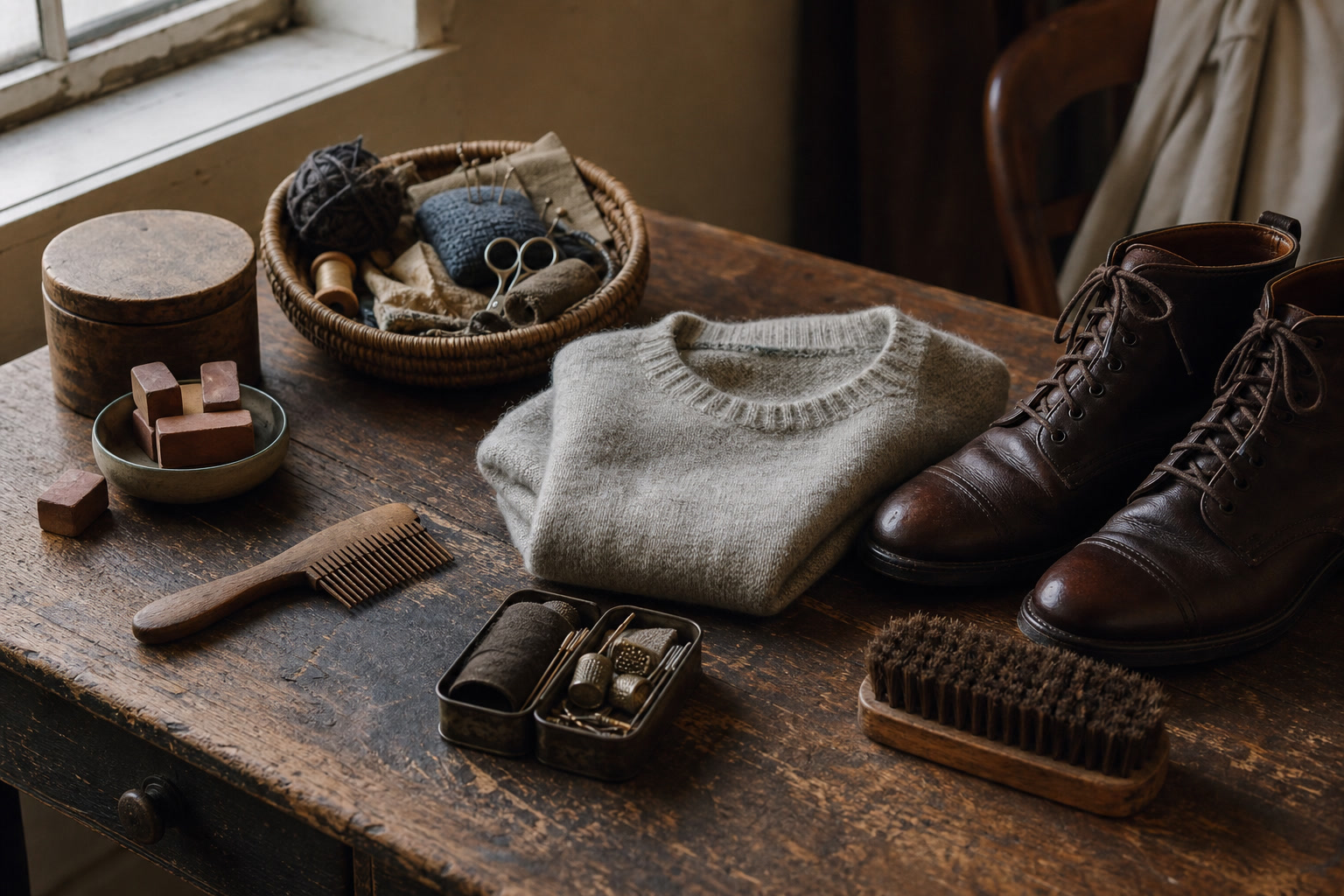
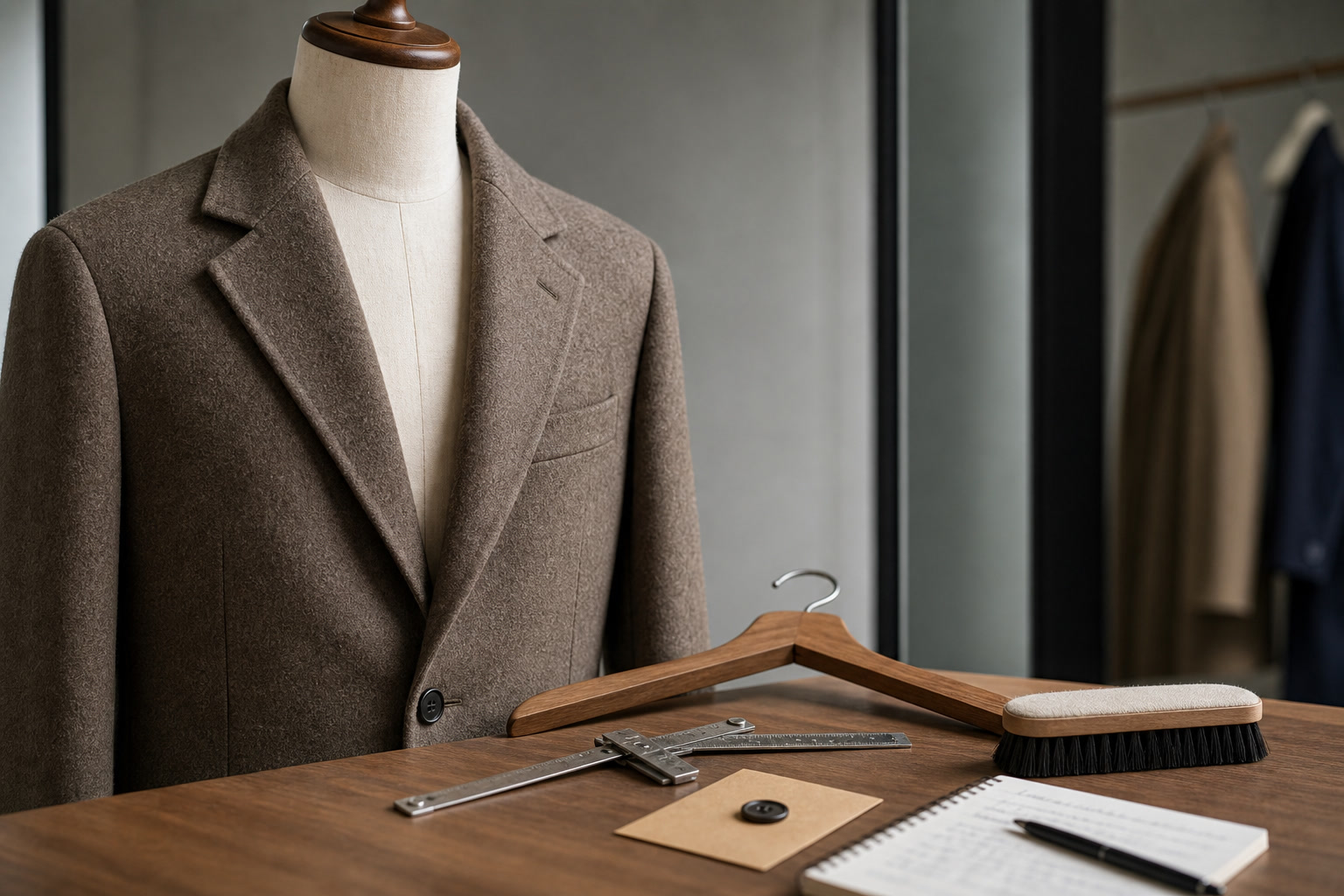
Every physical object you acquire demands a portion of your living space, and premium items often require highly specific storage conditions to prevent degradation. A floor-length, heavy winter coat necessitates a sturdy wooden hanger to maintain its shoulder structure and sufficient vertical closet space to avoid crushing the hem. Fine knitwear must be folded and stored with cedar or lavender to deter moths, never hung, lest the fibers stretch and distort. In the kitchen, a professional-grade stand mixer commands permanent, premium counter real estate due to its sheer weight. If you lack the architectural infrastructure or the climate-controlled environment to house an item properly, it will either degrade prematurely or become a source of domestic clutter.
Purchasing high-ticket items, particularly online, carries a significant logistical risk regarding returns and exchanges. Before committing to an investment, you must scrutinize the retailer's return policy. Are there exorbitant restocking fees? Is return shipping covered, particularly for heavy home goods or international designer purchases? Furthermore, investigate the secondary market. True investment pieces often retain a portion of their value on resale platforms like Vestiaire Collective, Grailed, or specialized horology forums. If the brand immediately depreciates by eighty percent the moment the tags are removed, you are absorbing a massive financial risk if the item ultimately fails to integrate into your lifestyle.
Seasonal limitations also severely impact the logistical viability of a purchase. An item that can only be utilized for two weeks out of the year requires eleven and a half months of dedicated storage. A heavy shearling jacket may be a masterpiece of craftsmanship, but if you live in a temperate climate with only a brief, mild winter, its utility is drastically curtailed. You must assess whether the geographic and meteorological realities of your environment support the purchase. An investment piece should ideally offer multi-seasonal versatility, or at the very least, justify its prolonged hibernation through exceptional performance during its active window.
The Alternative Assessment and Slower Buying
The cornerstone of slower buying is the imposition of a mandatory waiting period. Implementing a strict thirty-day pause between the initial desire and the final transaction is the most effective mechanism for separating impulsive aesthetic fixation from genuine functional need. During this window, the initial dopamine rush of discovery fades, allowing rational analysis to take over. Often, you will find that the urge to acquire a high-ticket item was triggered by a fleeting mood, a targeted advertisement, or a desire to emulate a specific lifestyle, rather than a tangible gap in your wardrobe or home. If you forget about the item after two weeks, the pause has successfully saved you from an expensive mistake.
When evaluating a premium price tag, it is essential to identify the point of diminishing returns within that specific product category. Does a five-hundred-dollar chef's knife perform five times better than a one-hundred-dollar knife? In many cases, the leap from budget to mid-tier yields massive improvements in raw materials, ethical labor practices, and structural integrity. However, the leap from mid-tier to luxury often merely funds marketing campaigns, celebrity endorsements, and elaborate packaging. You must learn to read composition labels and technical specifications to determine if the premium you are paying is for superior performance and longevity, or simply for the brand's logo.
Before finalizing a major purchase, utilize renting, borrowing, or rigorous in-store testing as diagnostic tools. The modern rental economy allows you to test-drive luxury handbags, specialized camera equipment, or evening wear without the financial lock-in. This trial period exposes the realities of the item: the weight of the hardware, the tendency of the fabric to wrinkle, or the complexity of the interface. If renting is not an option, seek out comprehensive, unsponsored reviews that focus on long-term wear rather than unboxing impressions. Understanding how an alternative, lower-priced item fails can also clarify exactly what features you actually need to pay a premium for.
Projecting Long-Term Utility and End-of-Life
A genuine investment piece possesses an aesthetic resilience that transcends the rapid cycle of micro-trends. When projecting long-term utility, you must ask if the item will look dated in thirty-six months. Highly recognizable seasonal prints, exaggerated silhouettes, and prominent logos are designed to signal a specific moment in time, which guarantees their eventual obsolescence. True longevity is found in clean lines, proven architectural proportions, and unbranded exteriors. The goal is to acquire items that serve as a quiet, reliable foundation, allowing you to build around them rather than items that demand to be the focal point of every interaction.
The ability to repair an item is the fundamental prerequisite for any purchase labeled an investment. If an object cannot be fixed, you do not truly own it; you are merely renting it until it inevitably breaks. Before buying, inspect the construction. Can the soles of the boots be replaced by a cobbler? Is there sufficient seam allowance in the trousers to accommodate bodily fluctuations? Can replacement parts for the appliance be ordered directly from the manufacturer? Bonded leather, glued shoe soles, and sealed electronic components represent planned obsolescence. Prioritize items assembled with screws rather than glue, and stitched seams rather than fused edges.
Finally, intentional consumption requires contemplating the end of the item's lifecycle. Even the most durable goods will eventually reach a point where they can no longer be used. Consider the exit strategy: can the materials be recycled, composted, or safely returned to the earth? Can the item be passed down to the next generation, or donated to provide genuine value to someone else? Items constructed from synthetic blends or toxic components that will sit in a landfill for centuries fail the ultimate test of responsible ownership. An investment piece should honor not only your financial resources and daily routine, but also the broader ecological system from which its materials were extracted.
Pre-purchase checklist
- Calculate the estimated annual maintenance cost in both dollars and hours (dry cleaning, specialized conditioning, professional servicing) and add it to the initial retail price to reveal the true cost of ownership.
- Identify three highly specific, recurring scenarios in your current, actual weekly routine where you will naturally deploy this item without having to force the occasion.
- Verify the repairability of the construction: confirm that soles can be replaced, seams can be let out, or replacement hardware and components are readily available from the manufacturer.
- Confirm that you possess the necessary architectural space and climate-controlled environment to store the item properly when it is out of season or not in active use.
- Enforce a strict thirty-day waiting period; if the functional gap in your daily life has been adequately solved by existing items during this time, abandon the purchase entirely.
Who should skip this
You should entirely bypass this framework and avoid making 'investment' purchases if your physical baseline, lifestyle, or geographic location is in a state of active transition. Acquiring a heavy, premium shearling coat months before relocating to a temperate climate, or purchasing rigid, selvedge denim during a period of significant bodily fluctuation, guarantees a disastrous cost-per-wear ratio. Similarly, if your career is shifting from a formal corporate environment to remote work, investing in tailored suiting is a misallocation of funds. Wait until your physical dimensions, daily routines, and environmental realities have stabilized into a predictable rhythm before committing substantial capital to permanent wardrobe or home fixtures.
Affiliate transparency
FikaLooks maintains strict editorial independence. We do not accept payment, gifted products, or brand pressure to alter our decision frameworks. If you eventually purchase an item through links found in our specific product reviews, we may earn a small commission. This transparent model directly funds our independent research, rigorous material analysis, and ensures an ad-free reading experience.
FAQ
How do I determine if a high price tag comes from actual material quality or just brand markup?
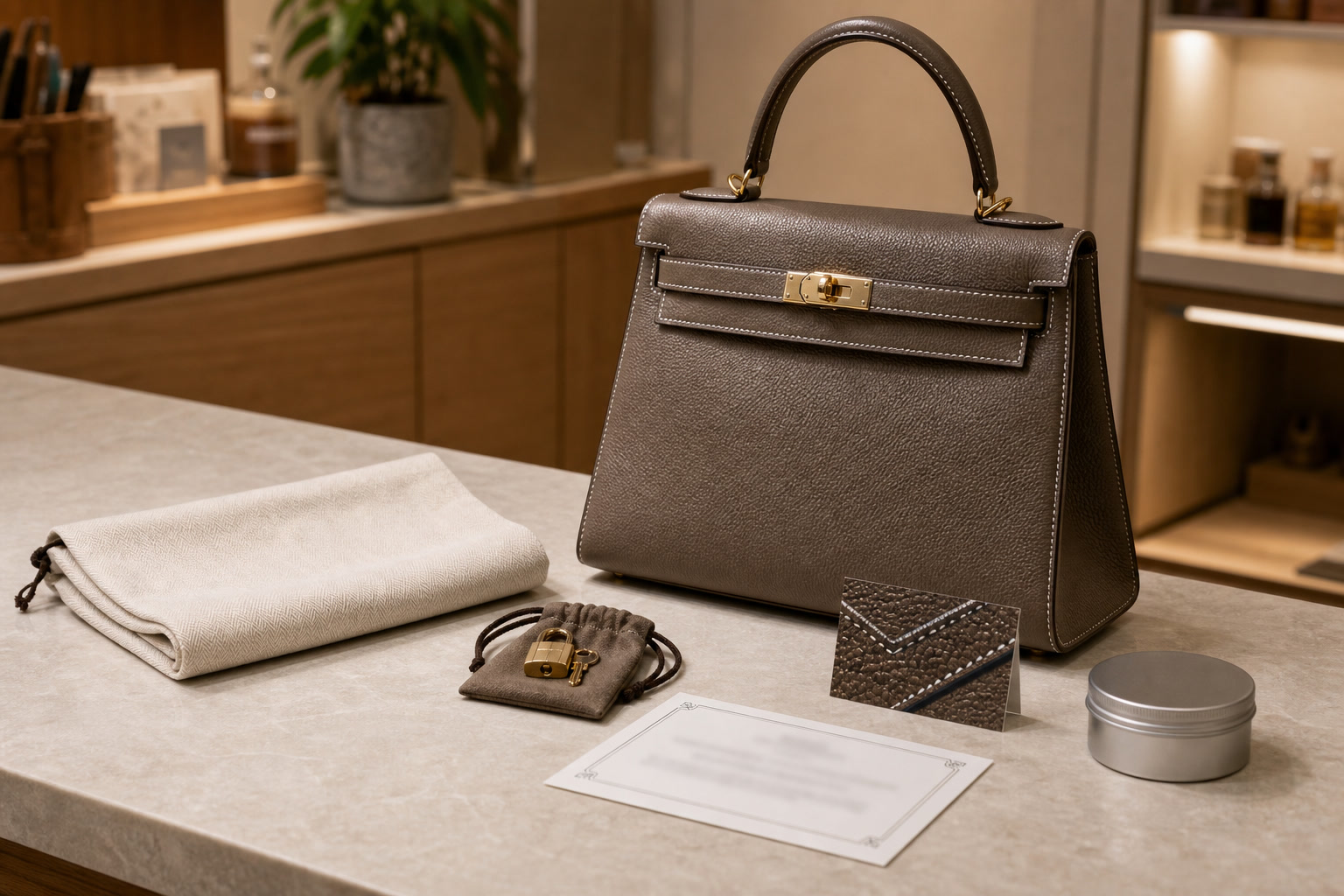
The truth is always in the composition label and the construction details, never the marketing copy. A severe brand markup is evident when a thousand-dollar sweater contains 40% polyamide or acrylic, or when a luxury handbag utilizes bonded leather and unlined interiors. True material quality is transparently sourced, unblended (or purposefully blended for structural integrity, such as 2% elastane for shape recovery), and features finished interior seams, heavy-gauge hardware, and natural fibers. If the brand obscures the origin of the materials or uses proprietary names for basic synthetics, you are paying for the logo.
Is the 'cost per wear' metric actually a reliable way to evaluate expensive purchases?
It is a useful starting point, but ultimately incomplete. Cost per wear entirely ignores the ongoing cost of maintenance, the time spent caring for the item, and the logistical burden of storage. A silk blouse might theoretically have a low cost per wear if you wear it weekly, but if it requires a fifteen-dollar dry cleaning bill after every second use, the actual financial drain is significantly higher than the initial division suggests. You must calculate 'cost per wear plus cost of maintenance' to get an accurate picture.
What categories of items are almost never worth the 'investment piece' rationalization?
Trend-dependent silhouettes, highly active skincare formulations, and technology with planned obsolescence should never be viewed as investments. An investment inherently implies longevity and sustained value. If a skincare serum contains unstable Vitamin C that will degrade and turn ineffective in three months regardless of its price, it is a consumable expense. Similarly, if a garment's exaggerated proportions guarantee it will look entirely out of place in two years, or if a device's battery cannot be replaced, you are buying a temporary experience, not a long-term asset.
How should I handle the guilt of realizing a past 'investment' was actually a costly mistake?
Accept the financial loss as a diagnostic cost for learning your actual preferences. Holding onto an unused, expensive item out of guilt only occupies valuable physical space in your home and mental space in your daily routine. Sell the item on a reputable secondary market to recoup whatever percentage of the cost you can. More importantly, document exactly why it failed-whether the fabric was too high-maintenance, the fit was too restrictive, or it didn't match your climate-and use those specific failures as hard, non-negotiable rules for your future purchasing decisions.