Buy Less, Better
Buy Less, Better is a slow buying guide for readers weighing fewer purchases, stronger materials, maintenance, and long-term value. The slow-shopping framework note explains what to check before buying, who should skip it, and where the purchase can become more work than it first appears.

The shift from passive consumption to deliberate acquisition requires a fundamental rewiring of how we perceive value. Acquiring fewer, superior objects is not an exercise in asceticism; it is a rejection of the disposable economy that clutters closets and degrades living spaces. This methodology demands rigorous scrutiny of materials, a willingness to shoulder maintenance burdens, and the patience to delay gratification until the precise piece is found. The transition exposes the hidden costs of cheap goods-the constant cycle of replacement, the poor drape of synthetic fabrics, the hollow thud of particleboard-while introducing the distinct responsibilities of owning things designed to last. A well-crafted object asks for participation. It requires conditioning, polishing, mending, and careful storage. Moving toward a highly curated, resilient collection of wardrobe staples, home furnishings, and daily tools means accepting these trade-offs. It means prioritizing the architecture of a garment over its designer label, the joinery of a table over its immediate availability, and the efficacy of a single skincare formulation over a cabinet full of diluted trends. This guide deconstructs the mechanics of identifying true quality, navigating the specific risks of premium pricing, and building an environment anchored by permanence.
The Material Reality of Longevity
True longevity begins at the cellular level of the material, stripping away marketing narratives to examine raw composition. In textiles, this means prioritizing natural, long-staple fibers over short-staple alternatives or petroleum-based synthetics. A sweater knit from high-grade, tightly spun merino wool will resist pilling and retain its structural integrity for decades, whereas a virgin acrylic blend will degrade into a matted, unwearable state within a single season. The physical properties of the material dictate its lifespan. Full-grain leather, which retains the dense, outermost layer of the hide, develops a protective patina and withstands abrasion; genuine leather, often a heavily processed composite of scraps and polyurethane, inevitably cracks and peels under identical stress. Evaluating materials requires reading the fine print, ignoring the sweeping claims on the front of the tag, and understanding the exact percentages of the blend.
The pursuit of better materials extends beyond the wardrobe into the architecture of the home and the formulation of daily care products. Solid hardwoods-oak, walnut, maple-possess the density to anchor a room and the structural fortitude to survive multiple relocations, unlike medium-density fiberboard covered in a thin veneer, which chips at the corners and swells irreparably upon contact with moisture. In beauty and skincare, buying better translates to seeking high concentrations of active, stable ingredients housed in protective packaging, rather than paying a premium for water, fillers, and synthetic fragrances. The objective is to acquire items where the intrinsic value lies in the raw material itself, ensuring that the object can age gracefully rather than deteriorating into obsolescence. This requires a tactile education: learning the cool, heavy drape of heavy-ply silk, the distinct heft of cast iron, and the dense, unyielding surface of fired porcelain.
However, prioritizing premium materials introduces specific buying risks, primarily the danger of overpaying for fragile luxury. High cost does not automatically correlate with high durability. Cashmere, for instance, is prized for its exceptional softness and insulation, but it is inherently delicate; a loosely knit, single-ply cashmere sweater from a luxury house may cost ten times as much as a densely woven cotton sweatshirt, yet it will snag and wear through far faster under heavy rotation. Similarly, unlacquered brass hardware offers a beautiful, living finish that deepens over time, but it requires constant interaction and acceptance of tarnish, which may read as dirty to an unaccustomed eye. Understanding the specific physical limitations of premium materials prevents the disappointment of watching an expensive, delicate item fail under the pressures of rigorous daily use.
The Maintenance Burden of Quality
The most significant, often ignored trade-off of acquiring superior goods is the immediate transfer of labor from the manufacturer to the owner. Fast fashion and disposable home goods are engineered for temporary convenience; they can be thrown into harsh washing cycles or wiped down with abrasive chemicals because their lifespan is already predetermined to be short. High-quality items demand a specialized, ongoing maintenance protocol. A Goodyear-welted leather boot, capable of lasting a lifetime, requires regular brushing to remove abrasive dust, the application of conditioning creams to prevent the hide from drying out, and the insertion of cedar shoe trees to absorb moisture and maintain the shape of the last. Neglecting this routine accelerates the degradation of the leather, rendering the initial financial investment entirely moot.
This maintenance burden applies universally across categories of well-made objects. High-carbon steel kitchen knives hold a razor-sharp edge far longer than their stainless counterparts, but they will rust within hours if left damp on a cutting board. Raw denim must be broken in through months of stiff, sometimes uncomfortable wear before it molds to the body, and washing it requires careful, infrequent soaking to preserve the indigo dye. Even high-end natural fiber rugs, woven from wool or silk, cannot be subjected to the aggressive suction of standard vacuums without risking damage to the pile and warp. The decision to buy better is simultaneously a commitment to become a caretaker. The labor involved is not a flaw in the product design; it is the necessary friction that keeps the object functional and aesthetically pleasing over decades.
Consequently, assessing personal tolerance for maintenance is a critical step before executing a high-value purchase. If the prospect of hand-washing and flat-drying a wool sweater feels like an insurmountable chore, investing in premium knitwear will only result in ruined garments or exorbitant dry-cleaning bills. The superior choice for a low-maintenance lifestyle might actually be a high-quality, heavyweight cotton that can withstand standard laundering, rather than a delicate silk that requires specialized care. The true cost of a slow-shopping acquisition includes the hours spent polishing, oiling, mending, and conditioning. Acknowledging this reality prevents the accumulation of beautiful, expensive objects that end up languishing in closets because they are simply too demanding to use and maintain on a regular basis.
Decoding Construction and Assembly
Material quality is entirely compromised if the construction methods used to assemble the object are fundamentally flawed. The architecture of a garment, a piece of furniture, or a leather good determines how it distributes stress and absorbs wear. In apparel, this necessitates a close inspection of the seams, the stitching density, and the hardware. A well-constructed shirt will feature French seams or flat-felled seams, enclosing the raw edges of the fabric to prevent fraying and provide structural reinforcement. The stitches should be small, tight, and uniform; a low stitch count is a hallmark of rapid, cost-cutting manufacturing, leaving the garment vulnerable to bursting at the seams under tension. Buttons should be secured with a shank, zippers should glide with metallic resistance rather than plastic catching, and patterns should match perfectly across the seams, indicating deliberate, unhurried cutting.
Furniture and home goods require an equally rigorous structural audit. The longevity of a wooden table or dresser is dictated by its joinery. Mortise and tenon joints, or dovetail joints in drawers, rely on the interlocking geometry of the wood itself, reinforced by glue, to create a bond that can withstand decades of seasonal expansion and contraction. Conversely, furniture assembled with dowels, staples, and cam locks will inevitably loosen, wobble, and fail as the metal hardware tears through the composite wood. Upholstered pieces must be evaluated by their internal framing-kiln-dried hardwood prevents warping-and the suspension system, where eight-way hand-tied springs offer enduring support compared to sagging webbing. Looking past the superficial finish to examine the skeletal structure of an object is the only reliable method for predicting its lifespan.
The ability to repair an item is intrinsically linked to its construction, serving as a primary differentiator between disposable goods and lifelong tools. A Goodyear-welted or Blake-stitched shoe allows a cobbler to remove the worn outsole and stitch on a new one without damaging the leather upper. A cemented shoe, where the sole is merely glued to the upper, is destined for the landfill once the rubber wears thin. Similarly, unlined or half-lined tailored jackets allow tailors easy access to alter the seams as the wearer's body changes over the years. Buying better means actively seeking out objects engineered with their eventual repair in mind. If an item is sealed, glued, or constructed in a way that prevents disassembly and mending, it fundamentally violates the principles of slow, deliberate consumption, regardless of its initial retail price.
The Psychology of the Long-Term Hold
Shifting to a model of acquiring fewer, superior items requires dismantling the psychological conditioning of modern retail, which relies on the constant, low-level dopamine hits of frequent purchasing. The transition can feel jarring; the thrill of opening multiple packages a week is replaced by long stretches of research, saving, and waiting. This requires cultivating a high threshold for aesthetic boredom. A wardrobe or home built on longevity relies heavily on foundational, versatile pieces rather than loud, trend-driven statements. You must be prepared to look at, wear, and use the exact same objects repeatedly, year after year. The psychological challenge lies in finding satisfaction in the subtle patina of a well-worn leather bag or the perfect drape of an old wool coat, rather than seeking the sharp, fleeting excitement of a novel silhouette or a viral colorway.
To successfully execute this strategy, one must ruthlessly separate personal style from algorithmic influence. Social media and targeted marketing are designed to manufacture dissatisfaction with current possessions, framing perfectly functional items as outdated. Buying better demands a deep, unshakeable understanding of your actual lifestyle, not an aspirational fantasy. Purchasing a bespoke, heavy wool suit makes little sense if your daily reality involves remote work and casual environments; investing in professional-grade copper cookware is a misallocation of funds if you rarely cook. The most expensive, well-crafted object is entirely worthless if it does not cleanly integrate into a daily routine. Evaluating a potential purchase requires visualizing its exact utility five years down the line, ignoring the immediate cultural noise surrounding the brand or the item.
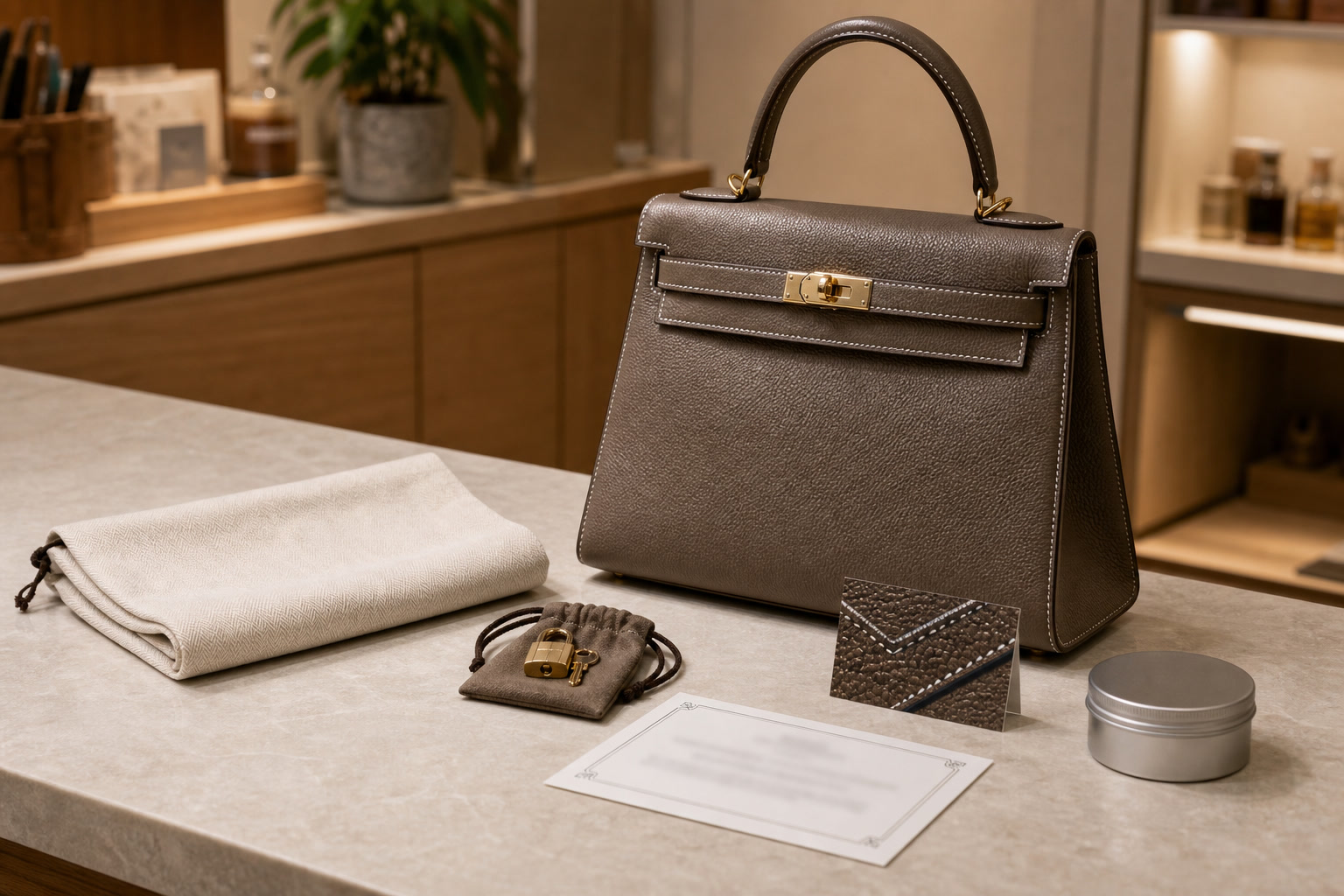
The cost-per-use metric is the most effective psychological tool for justifying the higher upfront capital required for superior goods, but it must be applied honestly. Dividing the high price of a bench-made boot by a decade of regular wear reveals a lower true cost than purchasing a cheap, glued boot every winter. However, this math only works if the item sees actual use. The risk of the investment piece mentality is acquiring an object so expensive or delicate that you become paralyzed by the fear of ruining it, relegating it to a protective dust bag. True luxury in the context of slow shopping is the freedom to use a well-made object rigorously, knowing its construction can handle the abuse. If the price tag induces anxiety that prevents regular use, the item is too expensive for the current threshold, and the purchase should be abandoned.
Greenwashing and the Investment Piece Trap
As consumer sentiment shifts toward sustainability and longevity, the retail landscape has become heavily saturated with deceptive marketing tactics designed to mimic the aesthetics of quality without delivering the substance. Greenwashing-the practice of making misleading claims about the environmental benefits or durability of a product-is a primary hazard. Brands frequently highlight a minor percentage of recycled material or organic cotton while obscuring the fact that the garment is still predominantly composed of non-biodegradable polyester, constructed with weak seams, and manufactured in exploitative conditions. A label reading conscious or sustainable is a marketing term, not a structural guarantee. Navigating this landscape requires ignoring the branding and focusing entirely on the objective specifications: the weight of the fabric, the origin of the materials, and the transparency of the supply chain.
The concept of the investment piece has also been co-opted to justify exorbitant markups on mediocre goods. A high price point is frequently a reflection of marketing budgets, celebrity endorsements, and retail overhead rather than material excellence or skilled labor. Luxury fashion houses routinely produce canvas tote bags or basic cotton t-shirts that retail for hundreds of dollars, relying entirely on the brand logo to generate perceived value. These items offer no structural or material advantage over unbranded equivalents sold at a fraction of the cost. To buy better, one must develop the ability to decouple the brand name from the physical object. The evaluation process must be entirely blind to the label, assessing the item purely on its tangible merits: the smoothness of the zipper, the density of the knit, the precision of the cut.
Finally, the pursuit of better goods must not become an excuse for unchecked consumption under the guise of upgrading. Replacing perfectly functional, lower-quality items simply because they do not meet a newly adopted standard of craftsmanship contradicts the core philosophy of buying less. The most sustainable and economically sound choice is always to extract the maximum possible utility from the objects already owned. The transition to a curated collection of superior goods should be agonizingly slow, occurring only when an existing item fails irreparably or a genuine, long-standing void in a wardrobe or home becomes apparent. True deliberate consumption is characterized by restraint, rigorous vetting, and the profound realization that you already possess most of what you actually need.
Pre-purchase checklist
- The Hardware and Closure Audit: Verify that all zippers are solid metal, buttons are secured with shanks, and furniture hinges are heavy-gauge steel or brass rather than plated plastic.
- The Material Threshold Verification: Check the exact composition tag to ensure the item contains less than 10 percent synthetic fibers or is constructed from solid wood rather than veneered MDF.
- The Repairability Assessment: Confirm the item can be disassembled or mended by a professional, looking specifically for welted shoe soles, unglued seams, and accessible joinery.
- The Maintenance Reality Check: Explicitly define the weekly or seasonal labor required to maintain the material-oiling, hand-washing, polishing-and confirm the willingness to execute it.
- The Aesthetic Isolation Test: Ensure the object functions perfectly with the existing wardrobe or home environment without requiring the purchase of additional items to make it work.
Who should skip this
Individuals currently navigating significant transitional phases-such as rapid weight fluctuations, temporary housing situations, or impending cross-country relocations-should avoid heavy investments in lifelong goods until their physical dimensions and living arrangements stabilize. Furthermore, those who genuinely derive joy from frequent aesthetic reinvention, trend-cycling, or who operate on strict, immediate budgets where high upfront capital allocation is mathematically impossible, should bypass this methodology. Attempting to force a lifelong buying philosophy while craving novelty will only lead to expensive regret and unused inventory.
Affiliate transparency
FikaLooks maintains strict editorial independence. We do not accept payment for placement in our slow-buying guides. If you acquire an item through our vetted links, we may earn a commission, which funds our independent material research, structural teardowns, and long-term wear evaluations.
FAQ
How do I transition to this model on a restricted budget?
Begin by shifting focus to the secondhand market. High-quality, well-constructed garments and solid wood furniture from decades past frequently cost less than modern, disposable equivalents. Prioritize saving for one structurally sound item over a long period rather than buying three cheap temporary substitutes. The goal is to reduce the frequency of purchases to zero until the correct item becomes financially viable.
Are synthetic materials ever the better choice?
Yes, in highly specific, technical applications. If purchasing extreme weather gear, activewear requiring high elasticity, or luggage subjected to severe abrasion, advanced synthetics like Cordura nylon or Gore-Tex offer functional superiority over natural fibers. The error lies in accepting synthetics in everyday foundational pieces, like sweaters or bed linens, where natural fibers perform significantly better.
How do I differentiate between a true investment and an inflated luxury markup?
Ignore the logo and evaluate the specifications. A true investment piece justifies its cost through tangible details: full-grain leather, heavy-ply natural fibers, bench-made construction, and transparent sourcing. If a brand charges a premium but obscures its material blends, uses glued construction, or relies heavily on visible branding to sell the item, the markup covers marketing, not longevity.
What happens when my lifestyle changes and my forever items no longer fit?
This highlights the importance of buying items designed for alteration and repair. Well-tailored garments with generous seam allowances can be taken in or let out by a skilled tailor. For items that fundamentally no longer serve your life, high-quality goods retain significant resale value on the secondary market, allowing you to recoup a portion of the investment to fund the next phase, unlike disposable goods which hold zero residual value.