How to Read Trend Pages
How to Read Trend Pages is a trend filter for readers weighing trend language, product placement, scarcity cues, and buyer pressure. The slow-shopping framework note explains what to check before buying, who should skip it, and where the purchase can become more work than it first appears.
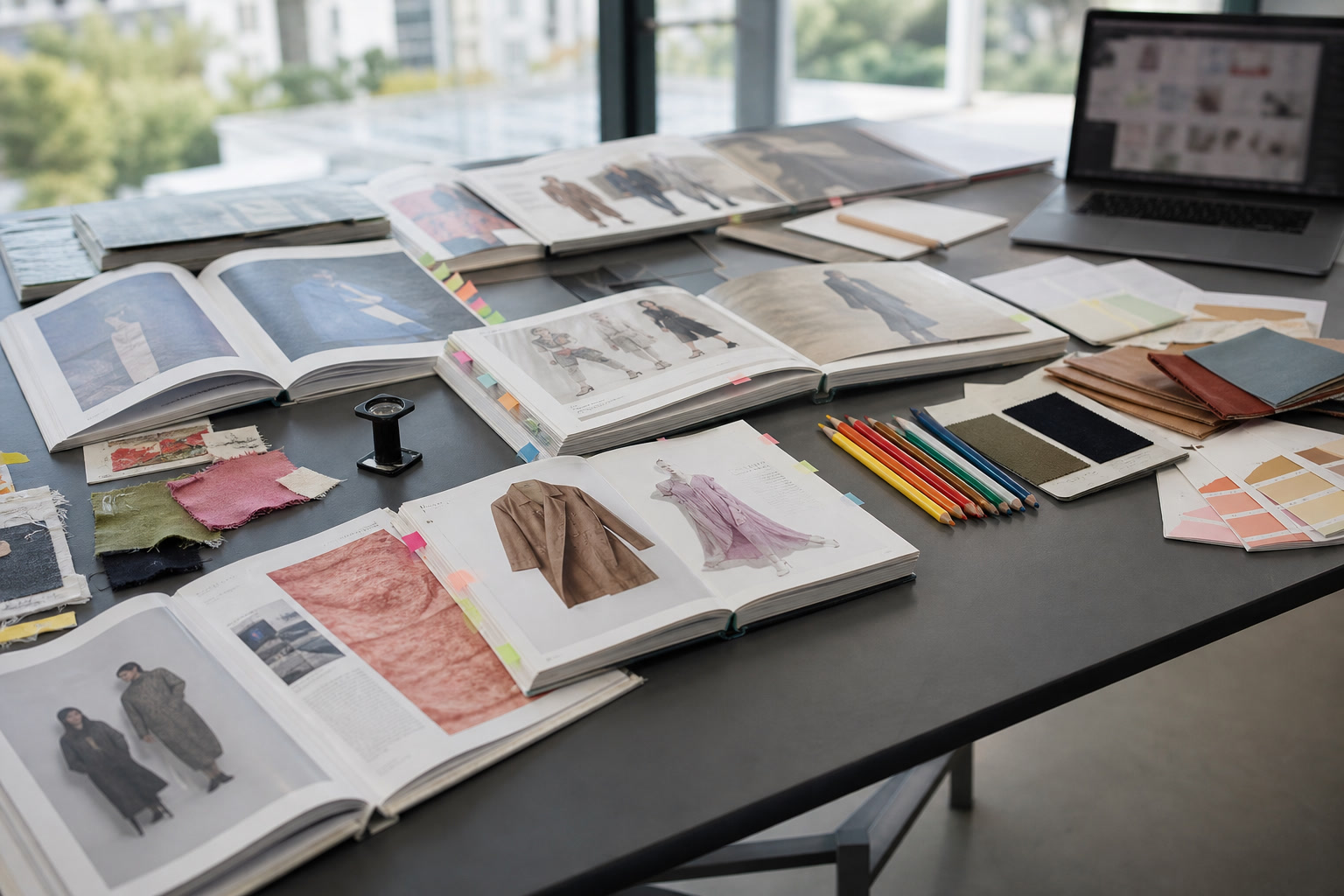
The modern digital shopping experience is defined by an overwhelming, relentless influx of trend reports. Whether you are scrolling through the highly curated editorials of SSENSE, the polished homepage of Net-a-Porter, or the hyper-accelerated algorithm of a social media feed, you are constantly being sold a new aesthetic. From 'quiet luxury' and 'coastal grandmother' to the ephemeral 'mob wife' winter or 'brat summer,' these trend pages are masterclasses in visual persuasion. They present garments not merely as fabric stitched together, but as passports to a more glamorous, perfectly lit existence. However, the fundamental flaw in consuming fashion through this editorial lens is the conflation of popularity with personal suitability. A trend page is designed to generate desire, utilizing professional lighting, strategic styling, and idealized environments to mask the physical reality of the clothing. As advocates for slower, more deliberate buying decisions, we must learn to read between the editorial lines. Filtering trends requires stripping away the marketing narrative and evaluating a garment based on its architectural behavior, its maintenance demands, and its actual friction against your daily routine. Popularity is a metric of mass consensus; suitability is a metric of intimate, tactile reality.
Decoding the Editorial Gaze: Fit, Skin, and Material Reality
The most crucial skill in navigating a trend page is learning to deconstruct the illusion of the e-commerce photoshoot. What you are viewing is rarely a garment in its natural state; it is a highly manipulated image designed to maximize visual appeal. Stylists routinely employ binder clips, double-sided tape, and hidden pins to force a garment to drape perfectly on a model's frame. A heavy wool blazer that looks sharply tailored in a static, front-facing photograph may actually possess dropped, unstructured shoulders that will overwhelm a petite frame in reality. Furthermore, studio lighting obliterates the natural shadows and wrinkles that appear the moment you sit down. When a trend report highlights 'liquid satin' or 'micro-pleats,' you must translate that visual poetry into physical sensation. Does that synthetic satin breathe, or will it cling uncomfortably during a humid commute? Will those razor-sharp pleats survive a day at a desk, or will they flatten into an unrecognizable mess by noon?
Beyond the manipulation of fit, one must critically assess material behavior over the course of an eight-hour day. Trend pages rarely discuss the sensory friction of the garments they promote. A sequin skirt may look spectacular under a flashbulb, but the reality of wearing it involves the constant scratching against your arms and the inevitable snagging of your tights. A chunky, oversized chain necklace might perfectly punctuate an 'office siren' look, but its physical weight on your cervical spine over a long workday is a detail omitted from the copy. Slower shopping demands that we prioritize tactile comfort over visual impact. We must learn to zoom in on fabric compositions, rejecting the high-polyester blends that often accompany fast-fashion iterations of runway trends. If a material cannot regulate your body temperature or restricts your natural range of motion, its popularity on a trend page is irrelevant to your wardrobe.
Finally, we must address the reality of color and skin tone. Every season brings a new, highly specific 'it' color-be it a vibrant Kelly green, a muted butter yellow, or a stark, optic white. Trend pages present these colors in perfectly color-graded environments, often on models whose undertones have been expertly matched by makeup artists. In reality, a color that dominates the Pantone charts may completely wash out your specific complexion or clash violently with the existing palette of your wardrobe. We need to separate our aesthetic appreciation of a trending color from the reality of wearing it near our face. A brilliant chartreuse might be visually arresting in a magazine spread, but if it requires you to completely alter your makeup routine just to avoid looking fatigued, it is a trend that works against you, not for you.
Routine Integration and The Fantasy Self Trap
Trend reports excel at selling a lifestyle, not just a garment. They traffic heavily in the concept of the 'fantasy self.' The 'coastal grandmother' aesthetic sells leisurely, sun-drenched mornings with artisanal coffee on a wraparound porch; the 'avant-garde minimalist' sells a life of gallery openings and stark, architectural lofts. We frequently fall into the trap of buying clothing for this imagined, highly stylized version of ourselves, rather than the reality of our daily commute, our office dress codes, or our weekend errands. When evaluating a trend page, you must ruthlessly separate the fantasy from your actual Tuesday morning. If you spend your days navigating a freezing, fluorescent-lit office, the sheer, romantic blouses dominating the spring trend reports will require so much practical layering that their original aesthetic intent will be entirely lost.
Mapping the trend to your actual routine is the ultimate litmus test for suitability. Consider the footwear trends that cyclically dominate the market. If the current 'it' shoe is a sculptural mule with a micro-heel, how does it actually perform on subway grates, rain-slicked pavements, or cobblestones? If the trending accessory is a micro-tote that barely accommodates a smartphone, where do your keys, wallet, and emergency umbrella go? A successful purchase must survive the friction of your real life, not just look spectacular at a Saturday night dinner. If incorporating a trend requires you to carry a secondary canvas tote bag just to hold your daily essentials, the trend has failed the test of utility.
This brings us to the cost-per-wear equation applied specifically to highly recognizable trends. A foundational wardrobe piece, like a perfectly tailored trench coat, gains value through sheer repetition. However, if a highly specific, visually loud trend can only be worn to select events without feeling repetitive or out of place, its actual value plummets. Slower shopping encourages us to seek versatility. Can this trending item be dressed down for a grocery run, or is it strictly confined to evening wear? True wardrobe additions offer fluidity across different contexts. If a trend is so rigid in its aesthetic that it dictates exactly how your hair, makeup, and other accessories must look, it is not a garment; it is a costume.
Finding the Anchor: Alternatives and Long-Term Evolution
Participating in the cultural conversation of fashion does not require buying the literal interpretation of a trend. You can nod to a prevailing mood without committing to a high-risk garment. If the current trend is 'heavy moto leather' and distressed hardware, the translation for your specific wardrobe might be a structured leather belt with a striking buckle, or a slightly tougher, square-toe boot, rather than a stiff, three-pound leather jacket you will rarely have the occasion to wear. Accessories offer a low-stakes, high-impact entry point into a trend. They allow you to update your silhouette and signal an awareness of the current aesthetic without overhauling your closet or compromising your established personal style.
Furthermore, the most sustainable and financially sound way to approach a trend page is to shop your own closet first. Often, the visual appeal of a trend lies not in the individual items, but in the styling. The tricks featured on editorial pages-layering a crisp button-down under a structured bustier, wearing ribbed socks with classic loafers, belting an oversized blazer to create an hourglass shape-can frequently be replicated with items you already own. The trend is in the combination, the juxtaposition of textures, and the unexpected proportions. By experimenting with your existing inventory, you exercise your styling muscles and often satisfy the desire for novelty without spending a single dollar or introducing new clutter into your home.
Ultimately, evaluating a trend page requires taking the long-term view. Ask yourself if this trend represents a permanent, organic shift in your personal style, or merely a momentary diversion engineered by marketing. Slower buying decisions allow you the luxury of time. Watch a trend peak, saturate the market, and inevitably begin to wane before you commit. Implement a mandatory waiting period. If you still desire the item six months after the initial media blitz, it has likely transitioned in your mind from a fleeting trend to a genuine style preference. By anchoring your purchases in longevity rather than immediacy, you build a wardrobe that is immune to the frantic pace of the trend cycle, resulting in a closet full of clothes that actually fit your life.
Pre-purchase checklist
- Does this item require a specific, specialized undergarment (like a backless bra or shapewear) that I do not currently own or enjoy wearing?
- Can I name three distinct, realistic scenarios in my current weekly routine where I would wear this without feeling overdressed or physically restricted?
- Is the material composition prone to immediate wrinkling, excessive pilling, or does it require specialized, expensive dry-cleaning?
- Do I have the physical closet space to store this specific silhouette without crushing it or damaging my other clothes?
- Am I genuinely drawn to the architectural design of the garment, or am I merely seduced by the lighting, the model, and the location of the editorial shoot?
Who should skip this
Consumers whose daily lives require high utility, comfort, and low friction should immediately bypass high-maintenance, restrictive trends regardless of their popularity. If your mornings are rushed, your commute is physically demanding, or your workplace requires practical movement, a garment that demands meticulous steaming, specific taping, or careful, constant readjustment will never make it out of your closet. Skip the literal interpretations of internet-born micro-trends if your ultimate goal is building a cohesive, interchangeable capsule wardrobe. These hyper-specific pieces are engineered for maximum visual impact on a digital screen, not for the quiet, repetitive reliability required of daily life. If a trend feels like a costume rather than an extension of your identity, leave it on the page.
Affiliate transparency
FikaLooks remains steadfastly committed to the principles of slower, more deliberate consumption. While we may occasionally use affiliate links when referencing specific examples of enduring style or high-quality wardrobe foundations, our editorial stance and critical analysis are never dictated by brand partnerships or commission structures. We strongly encourage you to evaluate your own wardrobe, consider your actual daily routine, and exhaust your existing options before making any new purchases. If you do choose to buy a carefully considered item through our links, we may earn a small commission, which directly supports our independent research and editorial integrity.
FAQ
How can I tell if a trending fabric will be uncomfortable before buying it online?
You must zoom in on the detailed fabric composition list, ignoring the marketing adjectives. Look for high percentages of synthetic fibers like polyester, acrylic, or nylon in items meant to sit close to the skin, as these often lack breathability and can cause sweating. Additionally, watch any available video clips of the garment in motion; if a fabric looks stiff, creates sharp, unnatural folds when the model walks, or lacks fluid drape, it will likely chafe or restrict your natural movement during a long day.
What is the best way to test a new, dramatic silhouette without spending a lot of money?
Utilize fashion rental platforms or spend an afternoon browsing local consignment and vintage stores. Renting allows you to road-test an exaggerated shoulder, a dropped waist, or a micro-mini skirt in your actual environment-your office, your commute-for a few days to gauge its practicality. Consignment shops offer the chance to physically try on varied, often vintage iterations of current trends, allowing you to understand how the proportions interact with your body without paying the premium price tag of a new release.
Why do clothes look so fundamentally different on me than they do on the retailer's trend page?
E-commerce photography is an exercise in illusion. It relies on strategic pinning at the back of the garment, invisible tailoring, and powerful studio lighting to eliminate shadows, wrinkles, and awkward draping. Furthermore, models are often styled in constant motion or highly specific, unnatural poses that stretch the garment perfectly across their frame. Your body, in a relaxed, static state under standard, overhead indoor lighting, will naturally interact with the fabric and the cut in a much less forgiving manner.
How long should I wait before buying into a trend I genuinely feel drawn to?
We recommend implementing a mandatory thirty-day cooling-off period for any trend-driven purchase. Save the item to a dedicated bookmark folder and intentionally do not look at it for a full month. During this time, observe your daily dressing routine and notice how often you genuinely wish you had that specific piece to complete an outfit. If the desire remains strong, practical, and relevant to your actual life after thirty days, it is likely a considered addition rather than a knee-jerk reaction to clever marketing.