Dupe Culture Trade-offs
Dupe Culture Trade-offs is a brand observation for readers weighing copycat design, material compromises, ethics, and short-term appeal. The slow-shopping framework note explains what to check before buying, who should skip it, and where the purchase can become more work than it first appears.
The proliferation of "dupe" culture has transformed from a quiet corner of budget shopping into a dominant force in modern consumption. Driven by algorithmic feeds that prioritize visual aesthetics over tactile reality, the pursuit of the perfect substitute promises the thrill of luxury without the financial sting. However, this culture of replication introduces a complex series of trade-offs. Beyond the immediate gratification of saving money lies a landscape of compromised materials, hidden maintenance burdens, and a distinct psychological dissatisfaction. When we fill our wardrobes, vanity cabinets, and living spaces with items designed to mimic rather than endure, we alter our daily routines and our relationship with the things we own. Navigating this space requires a deliberate pause to examine what we are actually trading away when we choose the almost-right alternative over the authentic original.
The Material Reality and Physical Behavior of Substitutes
The most immediate compromise in dupe culture occurs at the material level, where visual similarity masks structural deficiency. A heavy-gauge acrylic sweater designed to mimic a high-end cashmere piece may look identical in a static photograph, but its behavior on the body reveals its origins. Synthetic substitutes fundamentally lack the thermoregulating properties of natural fibers. They trap heat while failing to provide genuine warmth, creating a stifling microclimate against the skin. Furthermore, the drape of cheap fabrics is entirely different; lacking the inherent weight and fluidity of silk or fine wool, synthetic replicas often cling awkwardly or stand stiffly away from the body, requiring constant physical adjustment throughout the day.
This material divergence extends deeply into the realms of beauty and home goods. In skincare, a substitute serum might boast the exact same hero ingredient-such as a specific percentage of vitamin C or retinol-but rely on inferior delivery systems and cheap filler solvents. The result is often a product that sits heavily on the skin, pills aggressively under makeup, or worse, disrupts the lipid barrier due to harsh preservatives. In the home, decor dupes frequently substitute solid woods and unlacquered brass with hollow resins, medium-density fiberboard, and flash-plated metals. These materials do not possess the reassuring physical weight of their authentic counterparts, and they lack the capacity to develop a rich patina over time, instead chipping or peeling to reveal the base layers beneath.
Ultimately, the physical behavior of these materials degrades the daily sensory experience. The friction of a poorly constructed polyester lining against the skin, the chemical off-gassing of a synthetic leather bag, or the sticky residue left by a compromised cosmetic formulation turns the routine of getting ready into an exercise in frustration. When the items we interact with daily lack tactile integrity, they introduce micro-annoyances into our lives. The ritual of dressing or applying skincare should ideally ground us for the day ahead; relying on materials that fight against our bodies and our environments transforms that ritual into a constant, low-grade compromise.
Storage Clutter and the Psychology of "Almost Right"
The psychological loop of buying substitutes is perhaps the most insidious aspect of dupe culture. A replica rarely, if ever, truly scratches the itch for the original design. It provides a fleeting dopamine hit at the moment of purchase, followed rapidly by a lingering sense of lack upon delivery. Because the substitute is only "almost right"-the toe box of the shoe is slightly too round, the tint of the lip oil is slightly too cool, the scale of the lamp is slightly off-the consumer remains unsatisfied. This dissatisfaction fuels a continued search, prompting the purchase of three or four slightly different variations of the same silhouette in a futile attempt to capture the magic of the authentic piece.
The physical manifestation of this psychological loop is overwhelming storage clutter. Closets become packed with garments that are never quite the first choice for any occasion. Bathroom cabinets overflow with half-used serums and foundations that failed to deliver the promised finish. The visual noise of a crowded, uncurated space creates severe decision fatigue every morning. You are confronted with a closet full of clothes but feel you have absolutely nothing to wear, simply because none of the items hanging there make you feel entirely confident or comfortable. They are monuments to compromise.
True curation of a wardrobe or a home relies heavily on negative space-the ability to clearly see, access, and appreciate what you own. Dupe culture actively destroys this negative space by drastically lowering the financial barrier to entry, encouraging a hoarding mentality. It transforms closets from archives of personal style into holding cells for mediocre alternatives. Breaking this cycle requires acknowledging that the psychological weight of physical clutter is a far higher price to pay than the monetary cost of a single, perfect item.
Long-Term Use and the Cost-per-Wear Reality
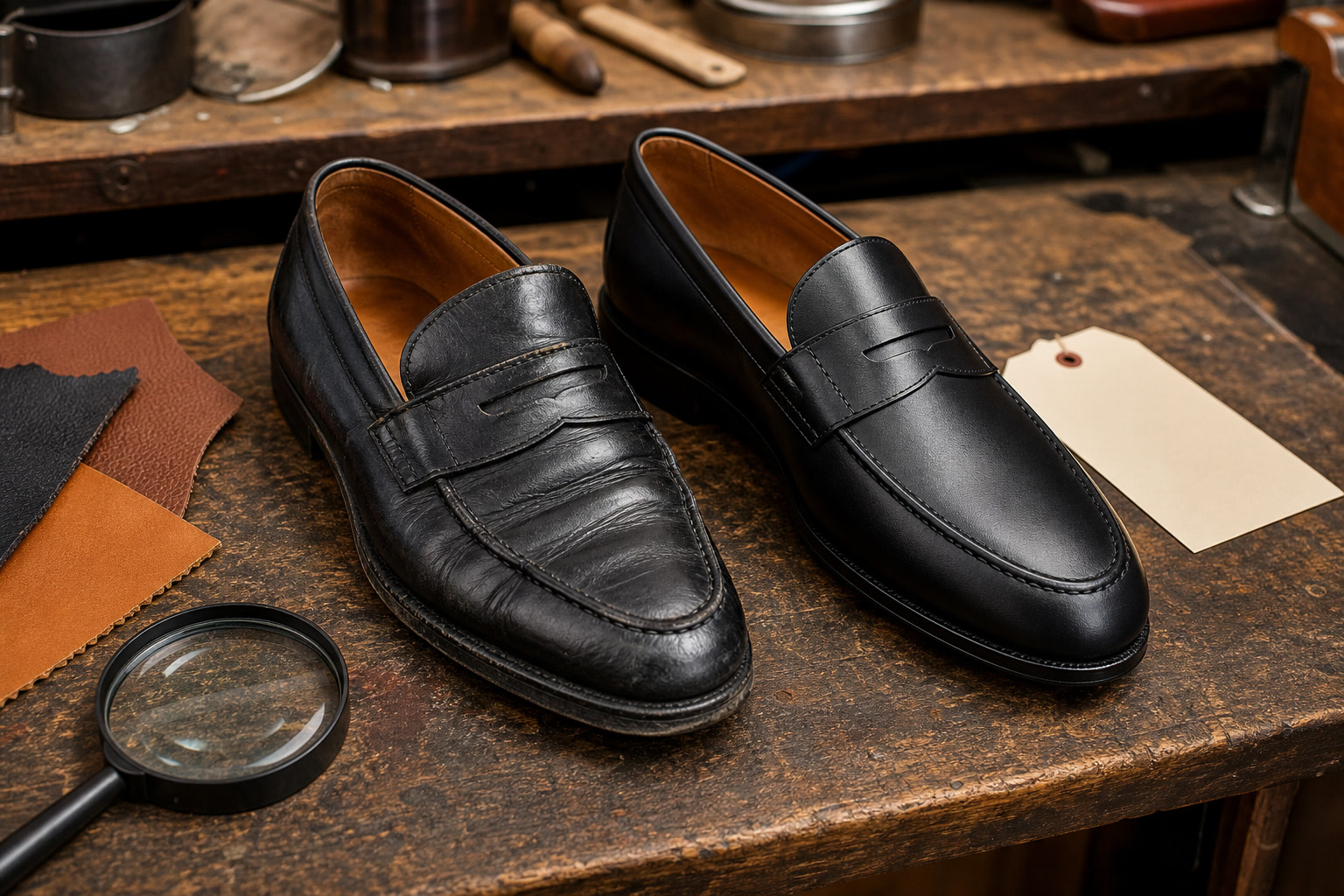
Evaluating the true cost of an item requires looking far past the checkout cart and projecting into the third, fourth, or fifth year of ownership. A well-made original piece, whether it is a tailored heavy-wool coat, a bench-made leather boot, or a solid oak dining chair, is designed to absorb the impact of daily life. It ages, certainly, but it ages predictably and often beautifully, developing a character that reflects its use. Conversely, a substitute degrades. The hardware on a dupe bag tarnishes to reveal a copper base that smells of coins; the seams of a replica dress twist permanently after a single delicate wash; the synthetic leather of a budget shoe cracks irreparably across the vamp. There is no graceful aging process for materials built on planned obsolescence.
The cost-per-wear equation heavily favors the intentional, slower purchase. A beautifully crafted pair of boots worn one hundred and fifty times costs significantly less per wear than a budget alternative that falls apart after ten outings. More importantly, the high-quality item can be taken to a cobbler, resoled, and conditioned for another hundred wears. The substitute goes straight to the landfill. Slow shopping forces a confrontation with these long-term mathematics, shifting the consumer's focus from the thrill of initial acquisition to the reality of sustained utilization.
Integrating an item into your daily routine requires a fundamental level of trust. You need to know that the zipper on your trousers will not catch when you are rushing to an important meeting, that your foundation will not oxidize into an orange mask by noon, and that the handle of your tote bag will not snap while carrying your laptop. Dupes inherently lack this reliability, introducing a low-grade anxiety into the daily routine. True luxury is not merely a brand name; it is the peace of mind that comes from knowing your possessions will perform exactly as expected, day after day.
Finding Genuine Alternatives Without the Compromise
Opting out of dupe culture does not mean you are obligated to exclusively purchase hyper-expensive luxury goods. The most sustainable and fulfilling alternative is shifting your focus from direct replicas to mid-range, independent brands that possess their own distinct design language. Instead of buying a poorly constructed knockoff of a famous designer bag, you can invest the same amount of money in a beautifully crafted, unbranded piece from an independent leather worker. The price point might be identical to the high-end dupe, but the intent, the material quality, and the ethical production standards are vastly superior. You are buying a piece of original design rather than a shadow of someone else's.
The secondhand and archival market remains the most effective antidote to the endless cycle of substitutes. Vintage fashion, estate furniture, and gently used contemporary pieces allow consumers to access extraordinary materials and original designs at a fraction of their retail cost. This approach requires patience, education, and the willingness to hunt for the right piece, but it yields items with proven longevity. A wool blazer from the 1990s that still looks impeccable today has already proven its structural integrity, offering a guarantee of quality that no modern fast-fashion replica can match.
Ultimately, the shift away from substitutes is a profound shift toward self-knowledge. When you stop chasing the aesthetic of the moment through cheap replicas, you are forced to define what actually works for your specific lifestyle, your body type, and your physical space. Saving up for one perfect item, or deliberately choosing a modest but honest alternative, builds a collection that reflects genuine personal taste rather than algorithmic trends. It is a transition from consuming aesthetics to building a life surrounded by objects of substance, integrity, and lasting value.
Pre-purchase checklist
- Verify the exact fabric composition or active ingredient list rather than relying on visual similarity in product photos.
- Calculate the total potential cost of a return, factoring in international shipping fees, restocking penalties, and your own time.
- Assess the required maintenance routine, such as hand-washing, special storage, or hardware polishing, to see if it realistically fits your daily life.
- Search premium resale platforms and vintage archives for the original item before committing to a newly manufactured replica.
- Ask yourself if you appreciate the item for its own inherent design merits, or strictly because it resembles a specific, currently trending designer piece.
Who should skip this
Those who rely on their wardrobe, grooming routines, or home tools for high-stakes daily reliability should entirely skip the dupe market. If your routine demands garments that regulate temperature during a chaotic commute, or skincare that will absolutely not compromise a sensitive skin barrier ahead of important events, the unpredictable behavior of substitute goods is a massive liability. The mental energy spent adjusting a poorly cut synthetic blazer, managing a breakout from a cheap formulation, or fixing a broken strap far outweighs the initial financial savings. For individuals who value clean, low-friction mornings and long-term durability, bypassing the replica market in favor of fewer, meticulously sourced originals is the only logical and cost-effective strategy.
Affiliate transparency
FikaLooks operates on a reader-supported editorial model. When you choose to explore the intentional brands, premium resale platforms, or archival pieces we link to within our coverage, we may earn a commission. This structure allows us to maintain our strict focus on slow shopping, rigorous material analysis, and long-term wearability without relying on traditional display advertising or sponsored product placements.
FAQ
Why do skincare dupes often cause breakouts even when the main ingredients match?
While the hero active ingredient (like Niacinamide or Hyaluronic Acid) might match the original, the base formulation rarely does. Budget alternatives often use cheaper delivery systems, heavy silicones, and harsh preservatives to stabilize the product. These filler ingredients can clog pores, disrupt the skin's natural lipid barrier, and cause the active ingredients to penetrate unevenly, leading to irritation and breakouts.
Is it ever worth buying a fast-fashion replica just to test a trend?
Testing a silhouette is a common justification, but it is often flawed because a poorly draped synthetic fabric will not hang on your body the same way a tailored wool or silk piece would. You aren't actually testing the trend; you are testing a compromised version of it. A better approach is to try on the authentic piece in-store, or look for a similar silhouette at a local vintage shop where the fabric quality is higher.
How can I tell if a mid-range brand is an original design or just a high-priced dupe?
Look for a consistent design language across their entire collection. Brands with genuine identity will have recurring motifs, specific hardware choices, and a clear brand history. If a brand's catalog looks like a scattered collection of the top ten best-selling designer items from various different fashion houses with no cohesive aesthetic tying them together, they are likely operating as a premium dupe manufacturer.
What is the best way to overcome the urge to buy a cheap substitute when I can't afford the original?
Implement a mandatory waiting period of thirty days. Often, the desire for a dupe is driven by a sudden social media trend rather than a genuine gap in your wardrobe or home. During those thirty days, set up an alert on a resale platform for the authentic item. If the urge passes, you've saved your money. If the desire remains, you can put the money you would have spent on the substitute toward a secondhand version of the real thing.