Commuting Flat Shoes
Commuting Flat Shoes is a comparison list for readers weighing sole support, toe shape, rain tolerance, and all-day walking comfort. The wardrobe decision note explains what to check before buying, who should skip it, and where the purchase can become more work than it first appears.
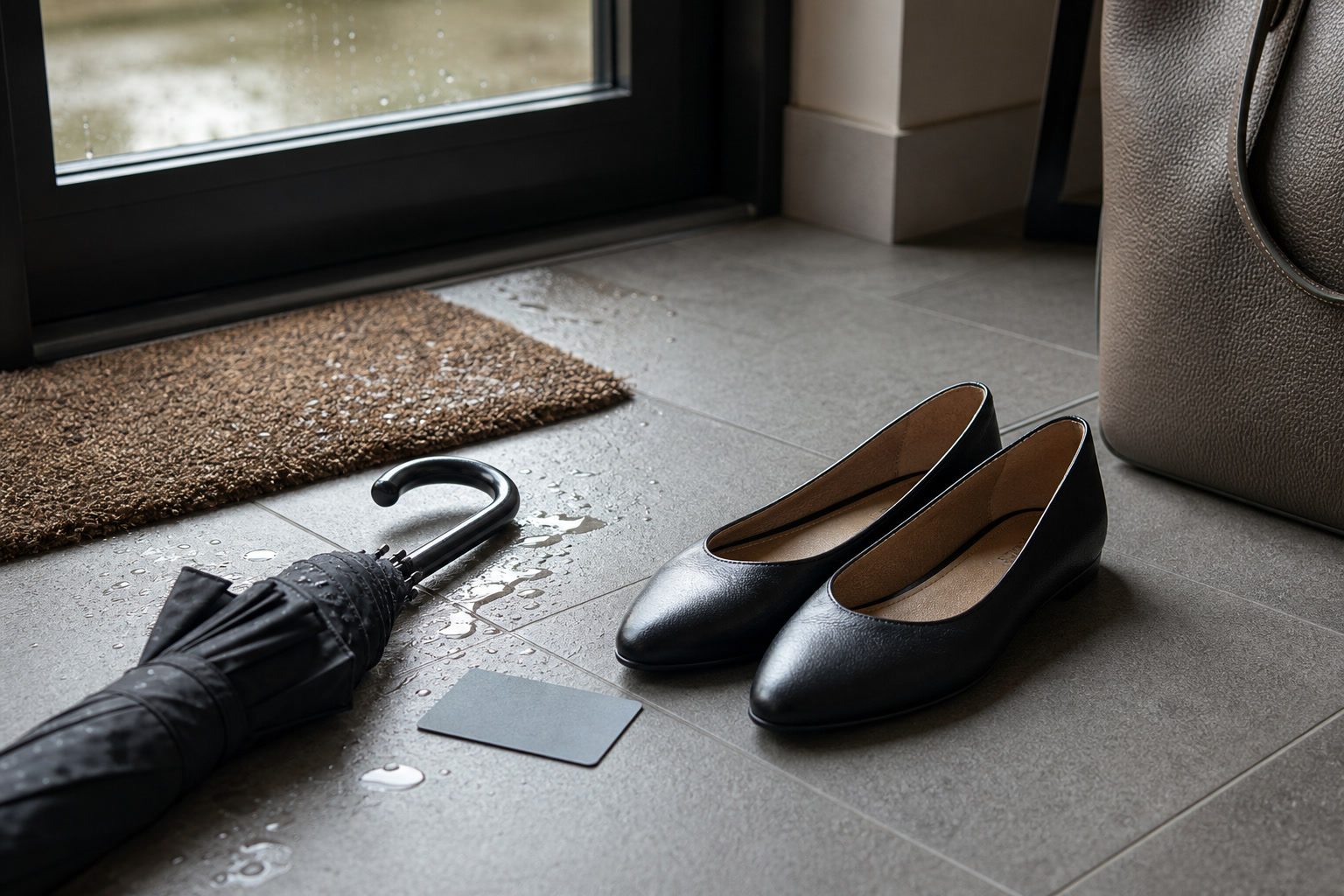
The daily commute demands relentless practicality, but surrendering to shapeless ballet slippers or overly casual sneakers compromises the professional polish of a carefully curated wardrobe. The search for a flat shoe that retains its architectural integrity while accommodating foot swelling and pavement pounding requires moving beyond the simple binary of 'comfortable' versus 'stiff.' True comfort in a commuter flat does not come from hyper-soft, unstructured materials that mimic socks; rather, it stems from precise last shapes, supportive sole constructions, and appropriate leather temper. Investing in a proper commuter shoe means understanding how different leathers behave under the stress of a nine-hour workday, acknowledging the maintenance required to preserve their silhouette, and recognizing that a shoe designed to support your skeletal structure will inevitably require a thoughtful break-in period. This guide examines the mechanics of commuter flats, prioritizing long-term wearability and structural resilience over immediate, fleeting softness.
The Myth of Butter-Soft Leather and Structural Integrity
The immediate appeal of unlined, glove-like nappa leather is undeniable. Brands frequently market these flats as requiring zero break-in time, promising a shoe that molds instantly to your foot right out of the box. However, this hyper-softness comes with a severe structural cost. Over a few months of daily commuting, unlined leathers stretch far beyond their original last. They begin to reveal the exact outline of your toes, losing their crisp, professional silhouette and taking on the appearance of a house slipper. Furthermore, without a lining, the thin upper absorbs foot moisture directly, leading to faster degradation of the leather and a collapsed heel counter that offers zero stability.
Conversely, full-grain calfskin with a proper leather lining demands patience during a break-in period but provides superior longevity and shape retention. A structured flat acts as a corset for the foot, maintaining a sharp topline regardless of how much your feet swell during a long office shift. The internal lining acts as a necessary barrier against sweat, preventing the outer leather from warping or staining. When evaluating a shoe in-store or upon delivery, press the heel counter and the toe box; there should be a distinct, firm resistance that snaps back into place immediately. This rigidity is not a flaw; it is the architecture that will keep the shoe looking pristine a year from now.
For those seeking a middle ground between rigid calfskin and shapeless lambskin, semi-lined constructions or suede treated with water-repellent finishes offer an excellent compromise. Suede inherently possesses a softer temper than polished calfskin while retaining significantly more structure than unlined nappa. Keep in mind that structured shoes require precise sizing. If a stiff leather flat pinches your widest joint out of the box, do not rely on it stretching to fit. The returns risk is highest here: wear them strictly on carpet for the first few days, as creasing across the vamp or scuffing the leather sole will void almost all return policies.
Sole Construction and Pavement Impact
A flat shoe does not inherently guarantee a comfortable commute if the sole fails to absorb the harsh shock of concrete pavements. Traditional luxury flats often feature thin, single-layer leather soles. While undeniably elegant and highly breathable, a pure leather sole transmits every pebble, crack, and subway grate directly to your metatarsals. Furthermore, leather soles wear down rapidly in wet urban conditions and offer zero traction on polished office lobby floors. To make them viable for daily transit, you must factor in the immediate maintenance burden of taking them to a cobbler for a protective rubber half-sole before their maiden voyage.
On the opposite end of the spectrum are injected thick rubber or crepe soles. These provide excellent shock absorption and weather resistance, but they can visually weigh down a delicate tailored outfit, pushing the footwear firmly into casual, weekend territory. The ideal commuter compromise is a micro-injected rubber sole or a leather sole with integrated, low-profile rubber pods. These hybrid designs maintain a slim side profile-essential for pairing with wide-leg trousers or midi skirts-while providing necessary grip and dampening the repetitive impact of brisk, purposeful walking.
Internal support is equally critical for a successful commute. A completely flat, unshaped footbed forces the Achilles tendon to overstretch and provides no support for the plantar fascia, leading to profound arch fatigue by mid-afternoon. Look for flats with a slight internal hidden wedge or a contoured footbed featuring a steel or wooden shank. The shank is the hidden spine of the shoe, bridging the heel and the ball of the foot. If you can easily bend the shoe completely in half at the arch, it lacks a shank and will cause foot fatigue. A proper flat should only flex at the ball of the foot, mimicking your natural walking gait.
Toe Shapes and the Reality of Foot Swelling
The silhouette of the toe box dictates both the aesthetic formality and the physical reality of wearing the shoe. Pointed-toe flats offer the sharpest visual elongation, cleanly bridging the gap between formal heels and practical flats. However, the geometry of a sharp point rarely aligns with human anatomy. To wear a pointed flat comfortably, the shoe must feature an elongated vamp where the actual point extends well beyond your longest toe. If the point begins too early, it forces the toes into a triangular crush, leading to friction blisters, corns, and eventual joint pain.
Square and almond toes provide a much more forgiving environment for the forefoot, accommodating the natural splay of your toes as you bear weight. A squared-off toe box, reminiscent of architectural minimalist design, offers substantial volume without looking orthopedic. When testing fit, pay close attention to the topline-the edge of the shoe that sits across the top of your foot. A topline that cuts directly across the widest part of your foot will inevitably dig into the skin and bone as your feet swell throughout the day. Opt for a higher vamp that covers the joints completely, or a very low, curved vamp that avoids them altogether.
Foot volume fluctuates drastically depending on temperature, hydration, and time spent standing. A shoe that fits perfectly at eight in the morning may feel like a vice by five in the evening. When purchasing commuter flats, try them on at the end of the day when your feet are at their maximum volume. If you find yourself between sizes in a structured leather flat, sizing up and adding a thin, removable leather insole is a far safer strategy than hoping a tight shoe will magically stretch. The insole can simply be removed on days when your feet are particularly swollen, providing a customizable fit.
Maintenance Burden and Storage Logistics
The proximity of flats to the ground means they endure significantly more abuse than heeled shoes. The toe tip and the heel counter are the primary impact zones, with pointed toes being particularly susceptible to scuffing against stairs, curbs, and desk chairs. To mitigate this, look for designs with a slight sole extension-where the sole protrudes a millimeter beyond the leather upper-acting as a physical bumper. Routine maintenance cannot be ignored if you want to avoid a sloppy aesthetic. Keep a horsehair brush and a neutral conditioning cream at your desk; a weekly wipe-down prevents urban grit from embedding into the leather creases and accelerating deterioration.
Suede flats require an entirely different protocol. They demand a dedicated suede eraser and a brass-wire brush to lift the nap and remove dry dirt. Never wear suede flats on days with a high probability of rain, even if they have been heavily treated with a protective waterproof spray. Water damage on suede often leads to irreversible stiffening and color bleeding. For patent leather, which is essentially leather coated in a polyurethane finish, avoid using standard leather conditioners. Instead, wipe them with a damp cloth and use a specialized patent cleaner to prevent the glossy coating from cracking and hazing over time.
Proper storage directly impacts the lifespan and shape retention of your footwear. Tossing flats into a pile at the bottom of your closet guarantees crushed heel counters and distorted vamps. Invest in unvarnished cedar shoe trees. Cedar absorbs the residual moisture and sweat from your commute, preventing bacterial growth and odor, while the mechanical tension of the tree smooths out the day's walking creases. If full wooden shoe trees stretch your delicate flats too much, use acid-free tissue paper stuffed tightly into the toe box and store them in breathable cotton dust bags, away from direct sunlight or radiator heat.
Structural Alternatives to the Ballet Flat
If the inherent lack of structure in traditional ballet flats consistently fails your commuting needs, pivoting to menswear-inspired silhouettes offers a robust alternative. The classic penny loafer or horsebit loafer provides substantially more coverage over the instep, which translates to superior foot security. You do not have to subconsciously grip the shoe with your toes to keep it from slipping off, a common issue with shallow flats that frequently leads to shin splints. Loafers typically feature thicker, welted soles that improve the foot further above puddles and pavement grime, extending the shoe's pristine condition.
Oxfords and derbies introduce the distinct advantage of lacing, allowing for vital micro-adjustments in fit. As your instep swells or if you transition to wearing thicker socks during the colder months, laces can be loosened to accommodate the extra volume without compromising the shoe's secure grip on your heel. While visually heavier than a slip-on, a sleek, almond-toe oxford in polished calfskin pairs elegantly with cropped trousers and provides the rigidity of a proper walking shoe. They represent an investment in orthopedic health masquerading as a deliberate stylistic choice.
For those who prefer a feminine aesthetic but require more security than a standard slip-on, the Mary Jane is an excellent compromise. The instep strap anchors the shoe firmly to the foot, entirely eliminating heel slippage. When evaluating Mary Janes, examine the strap mechanism closely. An elasticized gusset hidden behind the buckle allows the strap to flex naturally as you walk, preventing the leather edge from biting into your instep. Avoid straps that are purely decorative; they must serve the functional purpose of holding the foot against the sole to be considered a viable commuting alternative.
Pre-purchase checklist
- Flex the shoe with your hands: It should bend only at the ball of the foot, not in the middle of the arch, indicating a supportive internal shank.
- Check the topline placement: Ensure the upper edge of the shoe does not cut directly across the widest part of your foot to avoid painful friction.
- Inspect the toe extension: For pointed flats, verify there is at least a half-inch of empty space ahead of your longest toe to prevent crushing.
- Examine the sole thickness: Look for a micro-rubber layer or integrated traction pods rather than a single thin sheet of leather for pavement shock absorption.
- Test the heel counter: Press the back of the heel firmly; it should feel rigid and snap back immediately to prevent the shoe from collapsing into a slipper shape.
Who should skip this
You should skip traditional leather commuter flats entirely if your daily transit involves walking more than two continuous miles, or if you suffer from severe overpronation or chronic plantar fasciitis. No matter how well-constructed a flat is, it cannot replace the biomechanical support, motion control, and deep heel cupping provided by a proper orthopedic walking shoe or a high-end athletic sneaker. Attempting to force a sleek leather flat into the role of a heavy-duty walking shoe will only result in accelerated wear of the footwear and compounding joint pain for the wearer. If your commute requires serious mileage, adopt the two-shoe strategy: wear premium, supportive sneakers for the transit and keep your structured leather flats safely under your desk for office wear.
Affiliate transparency
FikaLooks operates on a reader-supported model. If you purchase through the links in this guide, we may earn a small affiliate commission at no additional cost to you. We do not accept payment for placement, and our editorial team selects these items based strictly on material quality, structural integrity, and long-term wear testing. This independence allows us to recommend products that genuinely align with our philosophy of slower, more deliberate wardrobe investments.
FAQ
How can I stop my structured leather flats from giving me blisters on the heel during the break-in period?
Before your first wear, massage the heel counter gently with your thumbs to soften the rigid top edge. Apply a preventative layer of moleskin or a specialized anti-blister friction balm directly to your skin, not the shoe. Wear them around the house with thick socks for short twenty-minute intervals to allow the ambient heat of your foot to mold the leather without the friction of a full commute.
Are unlined flats ever worth buying for the office?
Unlined flats are best reserved for days with minimal walking or utilized strictly as a secondary desk shoe. Because they lack structural reinforcement, they will quickly stretch out and lose their professional silhouette if subjected to the rigors of a daily pavement commute. If you prefer the glove-like feel, look for unlined suede rather than nappa leather, as suede retains slightly more of its shape over time.
Why do my flats develop a foul odor even though they are made of genuine leather?
Odor occurs when sweat becomes trapped in the shoe's lining and footbed, creating a breeding ground for bacteria. Even high-quality leather needs time to breathe and dry out. Never wear the same pair of flats two days in a row. Insert unvarnished cedar shoe trees immediately after taking them off to absorb residual moisture, and consider wearing low-profile, no-show socks made of natural fibers like merino wool.
Can a cobbler fix a flat shoe that has stretched out too much?
Once the leather upper has stretched beyond its original last, a cobbler cannot shrink it back to its original size. They can, however, add a suede heel grip or insert a thicker, structured leather insole to take up the excess volume inside the shoe, which may restore a secure fit. To prevent overstretching in the first place, avoid wearing flats in heavy rain, as wet leather stretches permanently.