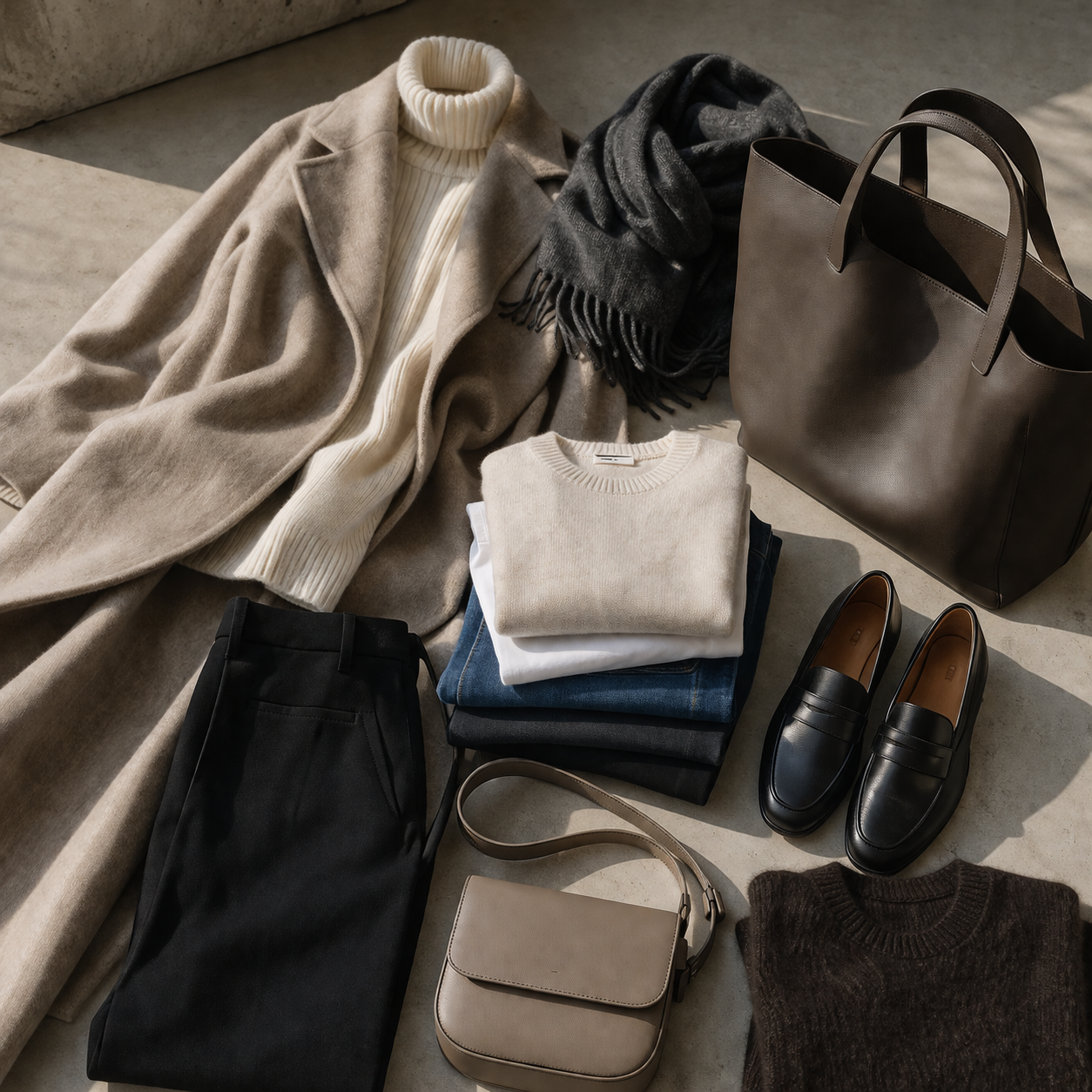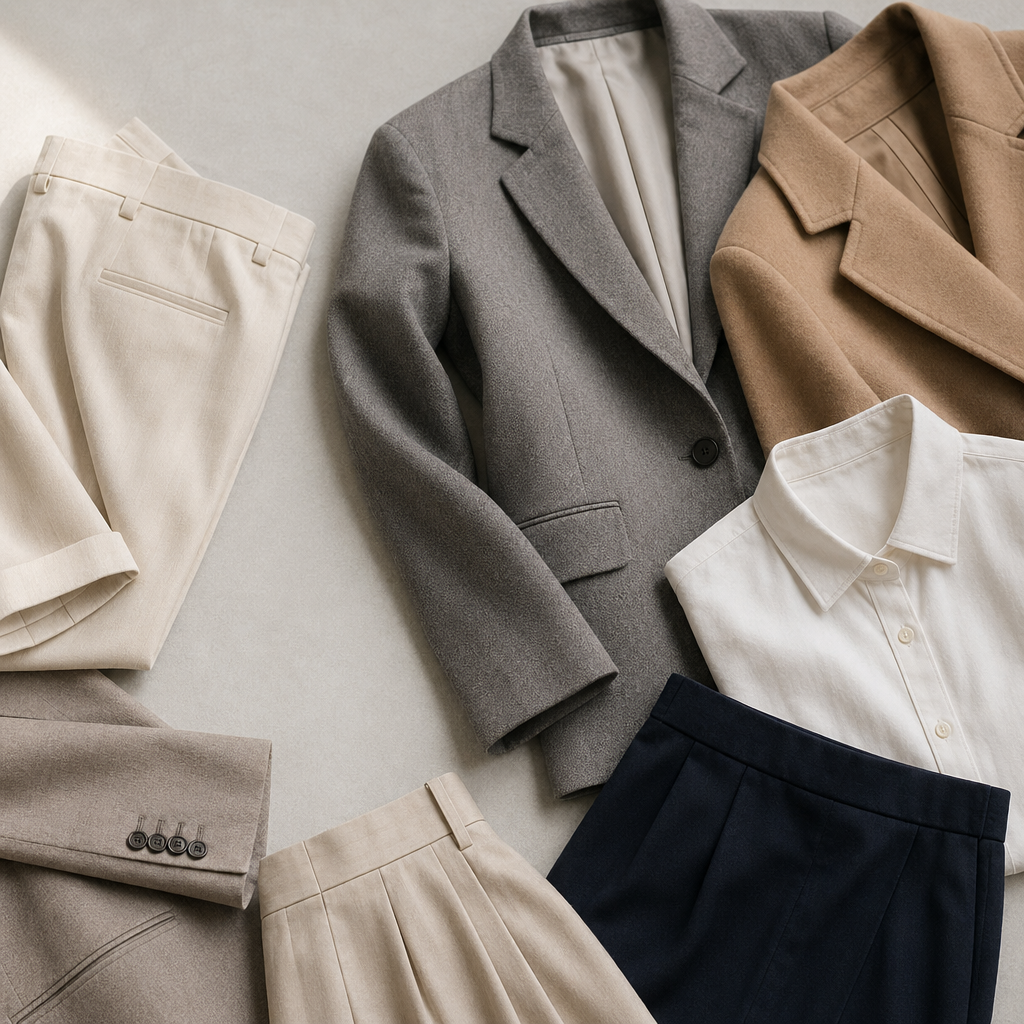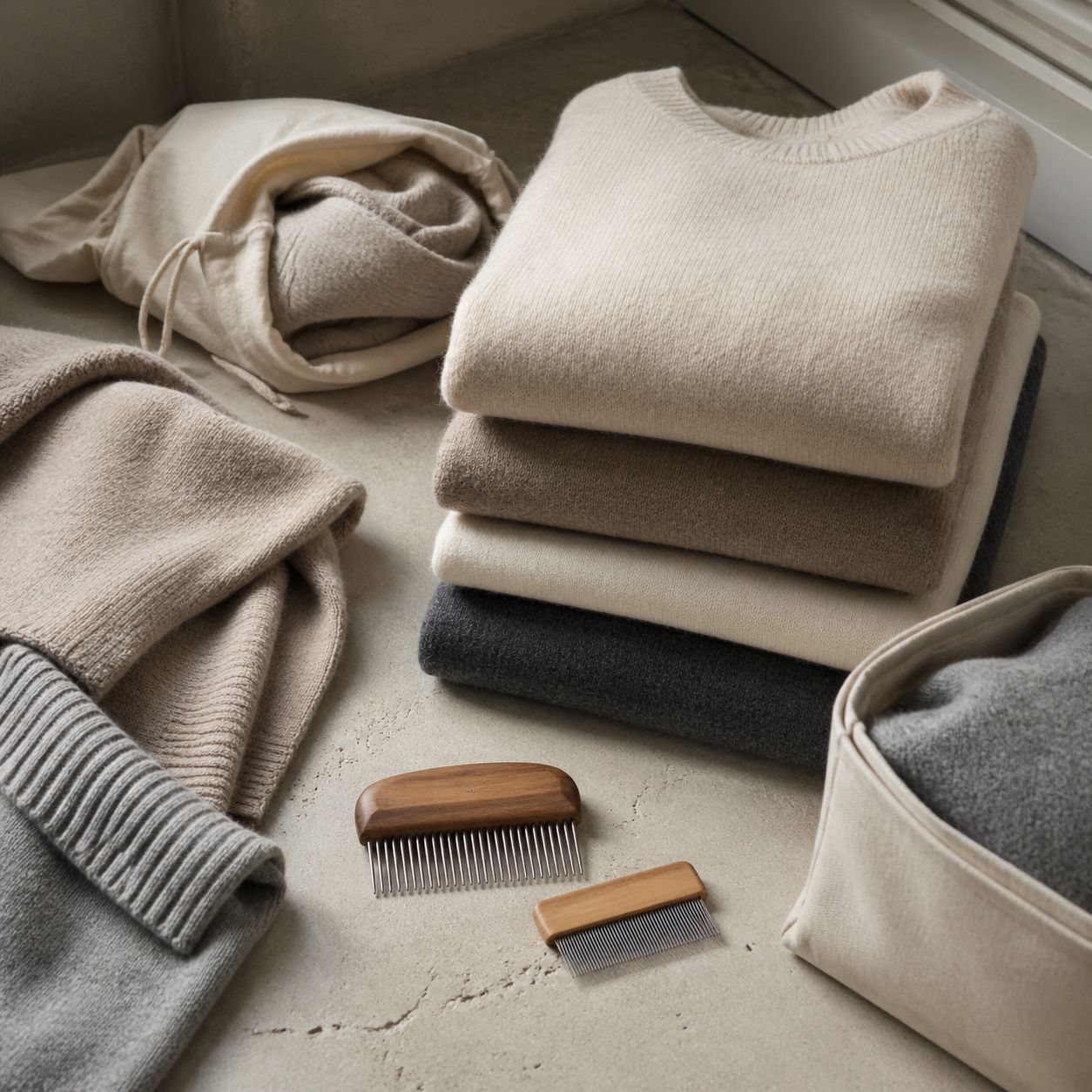
Start with the weather
Before thinking about silhouette, consider what the coat is being asked to do. A long coat earns its keep in cold, wet, windy places because it protects more of the body and keeps air from cutting through the gap between jacket and trouser waistband. In much of the UK, northern Europe and Canada, that extra coverage can be the difference between wearing wool comfortably and feeling underdressed at a train platform. In milder Australian cities or parts of southern Europe, the same length may feel excessive unless the fabric is lighter, unlined or loosely cut.
Fabric matters as much as coat length. A full-length dense wool coat can be beautifully warm but heavy across the shoulders by the end of a long day. A wool blend with a smooth lining will slide more easily over knitwear, while brushed textures can catch on wide sleeves or ribbed jumpers. If rain is frequent, check whether the cloth is tightly woven and whether the hem is likely to absorb pavement spray. Very long pale coats can look polished in dry weather and become a maintenance project in drizzle, salt, and public transport.
The long coat question
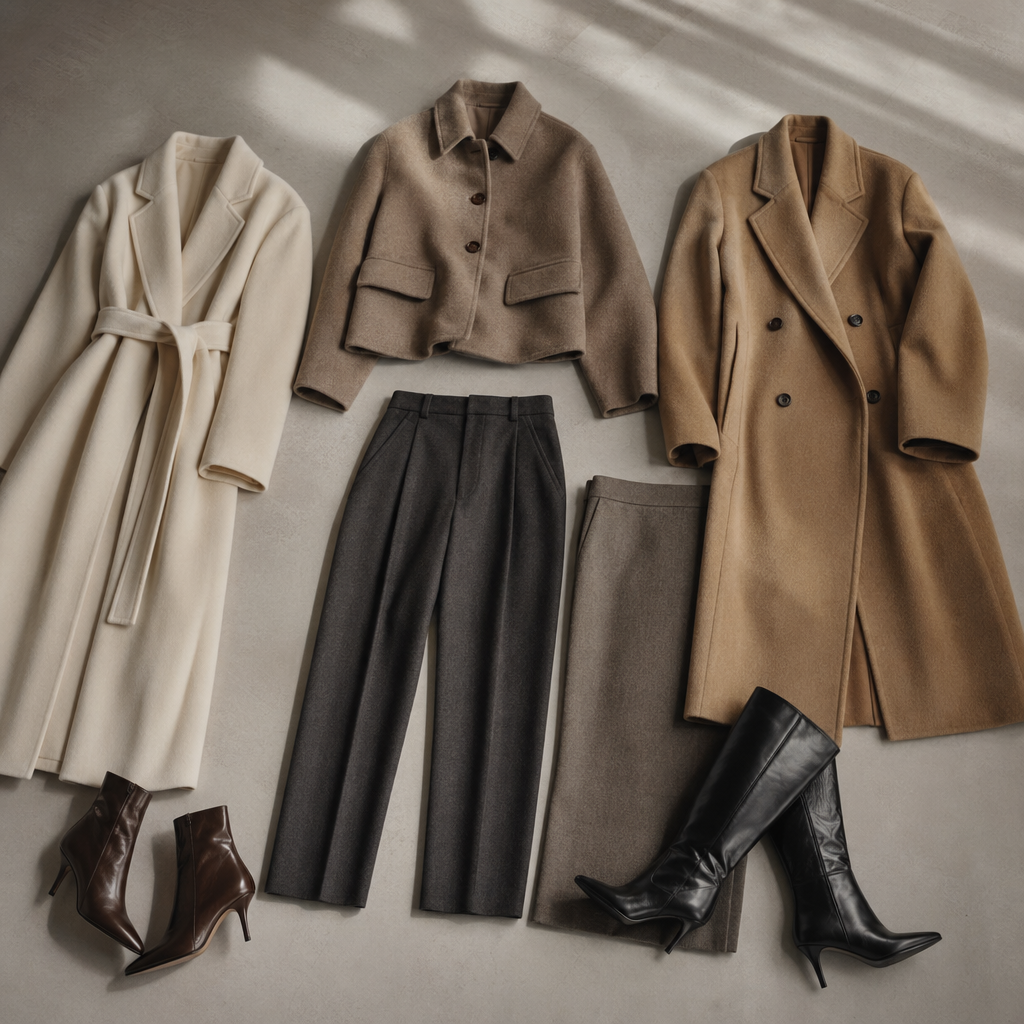
Long coats have authority because they create one uninterrupted vertical line. The most wearable versions tend to fall somewhere from just below the knee to mid-calf. That range covers enough of the body to feel intentional without constantly brushing stairs, car doors or wet pavements. An ankle-grazing coat can be striking, but it asks for cleaner conditions and a certain tolerance for managing fabric when sitting down. If you commute, cycle, drive often or climb narrow steps, test the length in motion, not just in front of a mirror.
Proportionally, a long coat is often kind to trousers. Straight-leg and wide-leg trousers sit well under a longer hem because the coat frames them rather than competing with them. With cropped trousers, a mid-calf coat can make the exposed ankle look deliberate, especially with a substantial boot. With skirts, the judgement is finer. A coat that ends just above a skirt hem can look accidental, while one that fully covers the skirt looks cleaner. If the skirt is intentionally visible, aim for a meaningful difference in length rather than a sliver.
Why cropped jackets work
Cropped jackets are useful because they define the waist and leave the lower half visible. They are especially effective with high-rise trousers, full skirts, and boots with a strong shaft, because they allow the eye to read the whole line from waistband to floor. A cropped wool jacket, shearling-style shape or quilted piece can make winter dressing feel less swallowed by fabric. The trade-off is warmth. If the hem stops at the waist or hip, the layers underneath need to do more work, particularly in wind.
The best cropped jackets are not simply short; they are deliberately balanced. A hem that sits at the narrowest part of the waist can be flattering with fuller trousers, but may feel exposed over low-rise denim or lighter dresses. A jacket ending at the high hip is often more forgiving and easier for repeat wear. Pay attention to sleeve volume and shoulder structure, too. A boxy cropped jacket with dropped shoulders can look modern, but if the fabric is stiff and the sleeves are wide, it may be awkward under a larger coat or difficult to carry on a mild day.
Match hems to footwear
Boots are where coat length becomes very visible. A knee-high boot under a mid-calf coat creates a strong, covered line, practical in cold weather and particularly good with skirts. An ankle boot under a long coat can look neat with trousers, but with bare legs or fine tights it may leave an exposed section that feels less grounded. In wet climates, a boot with a slightly thicker sole also protects long hems from dragging visually towards the pavement. Flat boots suit generous coat shapes; sleeker boots can sharpen softer wool.
With cropped jackets, footwear carries more responsibility. Because the upper body is shorter, the boot must make sense of the exposed lower half. A slim ankle boot with wide trousers can disappear unless the trouser break is considered. A heavier boot can anchor a short jacket and skirt combination, but it should not make the outfit feel bottom-heavy. Try the coat or jacket with the shoes you actually wear in rain, frost, or city slush. Editorial styling often shows pristine footwear; real outerwear has to survive station platforms, pavements, office floors, and weekends.
Fit, care, and repeat wear
A coat should fit over the clothing you wear most, not over an idealised thin layer. When assessing length, wear your usual knitwear or blazer and check whether the front closes without pulling at the hip or thigh. Sit down, reach forward, and walk at pace. A long coat that looks beautiful standing still may stride poorly if the vent is too short or the cut is narrow through the knee. A cropped jacket may appear crisp open, then ride up or bunch when zipped. Comfort is part of elegance because discomfort changes how often an item is worn.
Maintenance should influence the final decision. Longer coats collect more lint, rain marks and hem dirt, particularly in pale wool, soft camel shades and brushed textures. They may need careful steaming to keep the front panels hanging cleanly and should be dried properly after wet weather, away from direct heat. Cropped jackets often avoid pavement grime but show wear at cuffs, collars and pocket edges because hands and bags interact with them more. Check care labels before buying; dry-clean-only outerwear is manageable for some wardrobes and unrealistic for others.
For most people, the strongest outerwear rail includes more than one coat length: a longer coat for cold, dressed or trouser-heavy days, and a shorter jacket for casual movement, skirts, milder weather and travel. If choosing only one, look at your calendar rather than a trend image. Count the trousers, skirts and boots you wear weekly, note the weather you actually face, and choose the coat length that makes those outfits easier. The right length is the one that reduces friction every morning and still feels considered after the fiftieth wear.