Useful Luxury Gifts
Useful Luxury Gifts is a useful luxury note for readers weighing quiet upgrades, practical use, material quality, and avoidable showiness. The gift decision note explains what to check before buying, who should skip it, and where the purchase can become more work than it first appears.
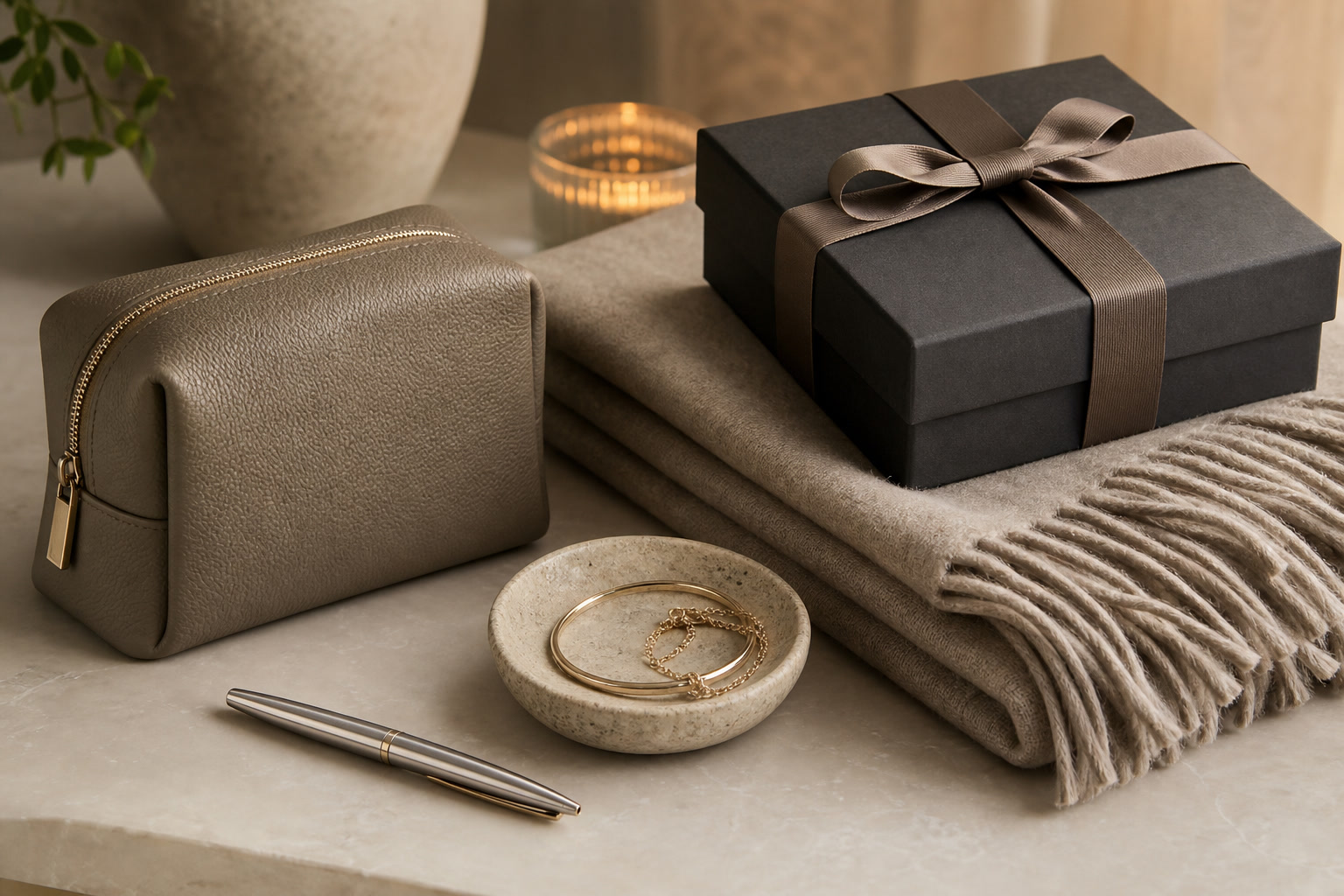
The concept of accessible luxury gifting is frequently derailed by a fundamental misunderstanding of what makes an object valuable to someone else. We are conditioned to look for the recognizable logo, the heavy presentation box, or the item that photographs well, equating visual prestige with thoughtfulness. However, once the wrapping paper is discarded, the recipient is left to integrate this new object into their actual, unedited life. A gift that demands high maintenance, requires delicate handling, or occupies excessive physical space ceases to be a luxury and quickly becomes an obligation. True luxury in the context of gifting is the complete removal of friction. It is an object that serves the everyday routine with quiet competence, possessing a material integrity that withstands daily use without demanding a specialized care regimen in return. When evaluating a premium gift, the primary metric of success is not the initial reaction upon opening it, but whether the item is cleanly integrated into the recipient's Tuesday morning routine six months down the line.
Spatial Footprint and Countertop Real Estate
The physical volume of a gift is an often-overlooked constraint, particularly for recipients living in urban environments where square footage is a finite and highly guarded currency. Oversized coffee table books on niche architectural movements, massive sculptural vases, or single-use kitchen appliances are imposing objects. When you gift something that demands significant spatial real estate, you are inadvertently forcing the recipient to displace their own belongings to accommodate your choice. A gift should never require the recipient to reorganize their living room or buy a new shelving unit. The most thoughtful objects respect the spatial limitations of the home, offering high utility or aesthetic pleasure without dominating the room.
This spatial reality is why upgrading existing consumables or daily-use tools is highly effective. Consider the appeal of a premium hand wash and lotion set from a heritage apothecary brand. It succeeds not just because of the complex olfactory profile, but because it replaces an existing, necessary item in the exact same spatial footprint on the bathroom sink. It upgrades the daily routine without requiring new territory. Similarly, a high-end, precision-machined coffee tamper or a beautifully forged pair of fabric shears takes up minimal space in a drawer but delivers a concentrated dose of tactile satisfaction every time it is deployed. When evaluating a potential gift, mentally map out where it will live in the recipient's home; if you cannot easily identify a logical, unobtrusive location, reconsider the purchase.
The packaging trap is another spatial burden associated with accessible luxury. Brands operating in this tier often overcompensate for their entry-level status with massive, rigid presentation boxes, layers of tissue, and heavy ribbons. While the unboxing process is undeniably theatrical, the aftermath leaves the recipient with a bulky, velvet-lined cardboard cube. They often feel too guilty to recycle such substantial packaging, yet have absolutely no practical use for it, resulting in dead storage space at the top of a closet. When selecting a gift, consider if the object itself holds up once stripped of its tertiary packaging. The inherent quality of the item should be self-evident without relying on a temporary cardboard fortress to communicate its value.
Replacing the Default with High-Utility Upgrades
The philosophy of the upgraded mundane is perhaps the most reliable framework for accessible luxury gifting. The most successful gifts in this category do not introduce a new hobby or a new decorative category into the recipient's life; rather, they take an item the recipient already uses unthinkingly every single day and replace it with the absolute best possible version of that item. We tolerate a significant amount of low-level friction in our daily routines-the scratchy bath towel, the pen that skips, the kitchen knife that requires excessive force. By identifying these points of daily contact and providing a superior alternative, your gift proves its worth through repeated, reliable utility.
Concrete examples of this philosophy are found in the tools of daily living. Instead of a generic designer cardholder that might not accommodate their specific mix of transit cards, identification, and cash, consider upgrading their morning routine. A precision burr hand grinder for coffee, engineered with stainless steel bearings, transforms a chore into a satisfying mechanical ritual. Instead of a fragile, convoluted wine decanter that is impossible to clean, a pair of hand-blown, dishwasher-safe universal wine glasses-such as those from Zalto or Gabriel-Glas-offers immediate, practical utility while fundamentally improving the experience of whatever they are drinking. These items do not demand a special occasion; they improve the baseline of a normal Tuesday.
Think critically about what the recipient touches constantly throughout their day. The tactile upgrade is a powerful form of gifting. A solid brass pen that accepts standard, easily accessible gel refills provides weight and balance to the mundane act of writing a grocery list. A set of exceptionally heavy, long-staple cotton bath towels from a heritage mill changes the sensory experience of stepping out of the shower. Even a premium, forged Japanese utility knife-provided you navigate any cultural superstitions around gifting blades by taping a coin to the box for them to buy it from you-injects a micro-dose of luxury into the daily task of preparing dinner. These objects succeed because they demand nothing of the user except to be held and utilized.
Return Policies and the Burden of Ownership
The mechanics of the return process are a crucial, yet frequently ignored, aspect of gifting. Accessible luxury brands, particularly independent boutiques or direct-to-consumer labels, often enforce stringent return policies. A 14-day window, a requirement for original packaging to be perfectly intact, or a policy that only issues store credit can trap the recipient with an item they do not want. When you purchase a gift from a retailer with a draconian return policy, you are limiting their options. Always verify the gift return window, which should ideally be extended during the holiday season, and ensure the process can be initiated online via a mail-in system, rather than forcing the recipient to travel to a physical storefront to negotiate an exchange.
Warranty accessibility and repair infrastructure are equally important for mechanical or electronic gifts. If you gift an automatic watch, an electric kettle, or a piece of electronic beauty hardware, you must consider what happens when the item malfunctions in month eight. Does the brand require the original purchaser to initiate the warranty claim? Do they require the original credit card used for the transaction? A genuinely useful gift comes from a brand with transparent, easily transferable customer service. Providing the recipient with a digital receipt and confirming that the warranty follows the product, not the purchaser, ensures that your gift does not become a frustrating paperweight when a component inevitably fails.
Finally, consider the ultimate exit strategy of the object. Every physical item eventually reaches the end of its lifecycle. The hallmark of true material quality is how the object degrades over time. Does it age gracefully, or does it become landfill? A solid walnut valet tray can be sanded and re-oiled if it becomes stained; a bonded leather desk mat will eventually peel, flake, and must be thrown away. A cast-iron skillet can be stripped and re-seasoned indefinitely; a non-stick pan has a hard expiration date. By selecting materials that possess inherent structural integrity, you ensure that even as the object wears, it remains a dignified presence in the recipient's home, honoring the intention behind the gift long after the initial exchange.
Pre-purchase checklist
- Does this item require dry cleaning, specialized metal polishing, or delicate hand-washing that the recipient does not currently incorporate into their routine?
- Can this object cleanly replace an existing, inferior item in their home, or does it demand entirely new, dedicated storage space on a countertop or shelf?
- If the item is wearable or applied directly to the skin, is the sizing universally forgiving and the chemical formulation free of highly active, potentially irritating ingredients?
- Does the retailer offer a minimum 30-day return window with an easy, recipient-initiated mail-in process that does not require the original purchaser's credit card?
- Will the primary material-whether it is full-grain leather, solid wood, or uncoated metal-develop a structurally sound patina over the next two years, or will it simply look scratched and degraded?
Who should skip this
There are specific recipient profiles for whom accessible luxury objects are fundamentally the wrong choice, and recognizing this is a vital part of thoughtful gifting. If the recipient is a strict minimalist, highly transient due to frequent relocations, or fiercely loyal to specific, utilitarian outdoor brands, do not attempt to disrupt their systems with a heavy, decorative luxury item. A person who has spent years curating a hyper-specific, ultralight travel setup will not appreciate a dense, full-grain leather dopp kit, regardless of the artisanal craftsmanship involved. Similarly, if your primary motivation for purchasing an item is the recognizable brand name printed on the box-used as a crutch to compensate for a lack of personal connection or knowledge of their habits-skip the purchase entirely. The recipient will inevitably sense the generic, transactional nature of the gesture. In these scenarios, consumable luxury-such as an exceptional bottle of finishing olive oil, a rare coffee bean subscription, or a gift card to a highly regarded local restaurant-is a far more respectful and ultimately useful choice that leaves no permanent footprint in their home.
Affiliate transparency
FikaLooks maintains strict editorial independence. The products and material standards discussed in this guide are evaluated based on their long-term utility, material integrity, and daily performance, not on promotional relationships. If you choose to purchase an item through the external retail links provided in our specific product roundups, we may earn a transparent affiliate commission. This structure funds our independent testing and long-term wear analysis without influencing the rigorous criteria we apply to our gifting recommendations.
FAQ
How do I gift skincare or personal care items without implying the recipient needs fixing or risking a skin reaction?
The safest approach is to pivot away from the face and focus on the body or hands. Premium hand creams, hydrating body washes, and mineral bath salts avoid the sensitive facial skin barrier and carry significantly less psychological weight than an anti-aging serum or an acne treatment. They offer the tactile pleasure of luxury skincare without the intimate assumptions.
Are designer candles still a viable gift, or have they become too much of a cliche?
They remain highly viable, provided you bypass the ubiquitous, default scents that feel like a last-minute airport purchase. Seek out complex, less recognizable olfactory profiles from independent fragrance houses. Crucially, verify the wax composition; prioritize vegetable, soy, or beeswax blends over pure paraffin to ensure a clean burn that will not leave black soot on the recipient's walls.
What is the most elegant way to handle gift receipts for items purchased online, without making the presentation feel overly administrative?
Forward the digital gift receipt to your own email address first, rather than having the retailer email the recipient directly. Print the receipt or the return authorization code on a piece of heavy, textured cardstock and slip it inside a handwritten card. This removes the digital friction for the recipient, ensures they have the necessary information, and separates the financial transaction from the physical unboxing.
Is it acceptable to gift a high-end, specialized kitchen tool to someone who rarely cooks but appreciates good design?
Generally, no. A premium carbon-steel chef's knife or a heavy copper saucepan given to a non-cook will only serve as a permanent monument to their culinary guilt, taking up valuable space while reminding them of a hobby they do not pursue. Stick to items that upgrade their current, actual routine-such as a superior electric kettle for their morning tea or a beautifully designed toaster.