Self-Care Gifts Without Cliches
Self-Care Gifts Without Cliches is a self-care gift edit for readers weighing recipient reality, low-friction rest, and gifts beyond generic wellness. The gift decision note explains what to check before buying, who should skip it, and where the purchase can become more work than it first appears.
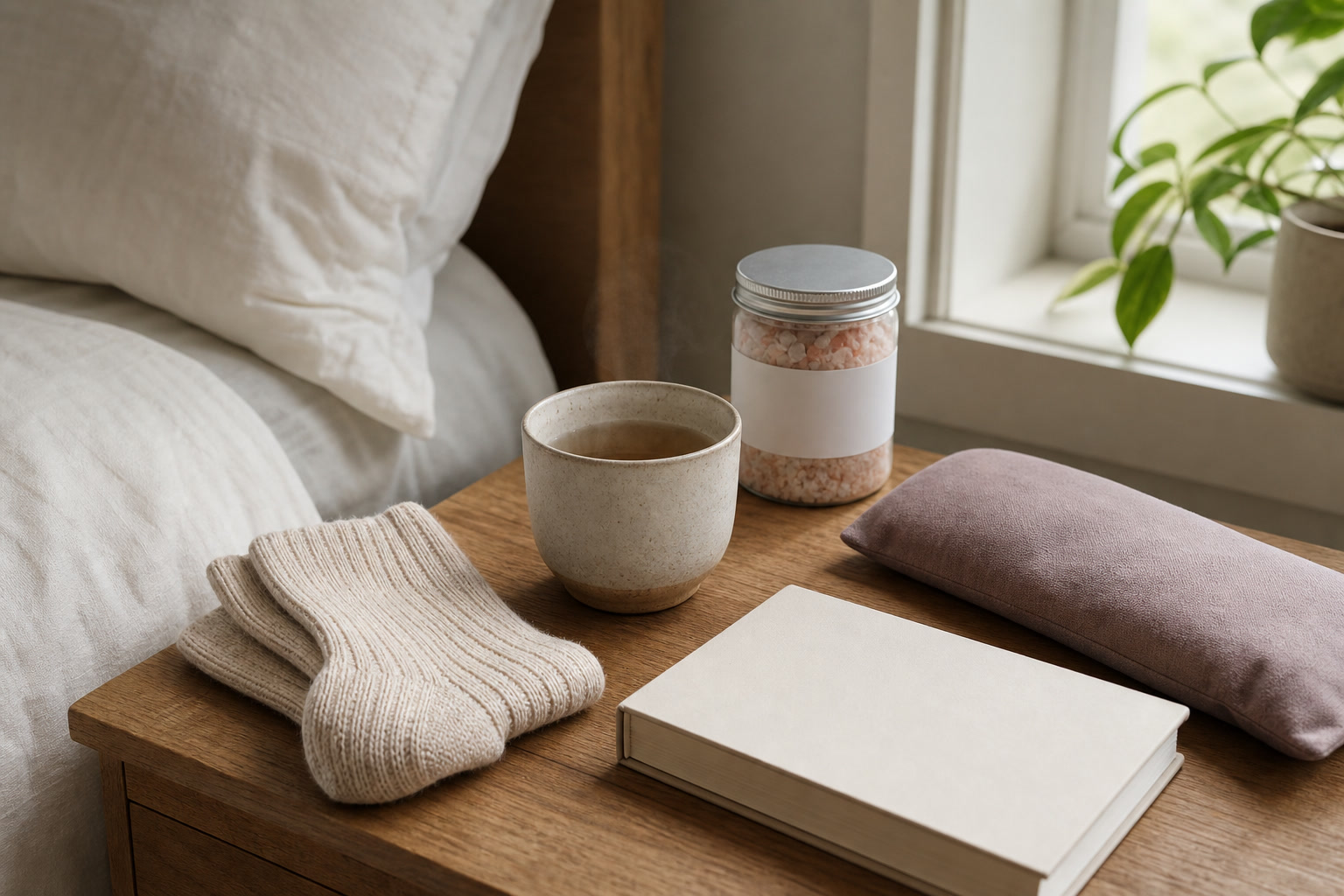
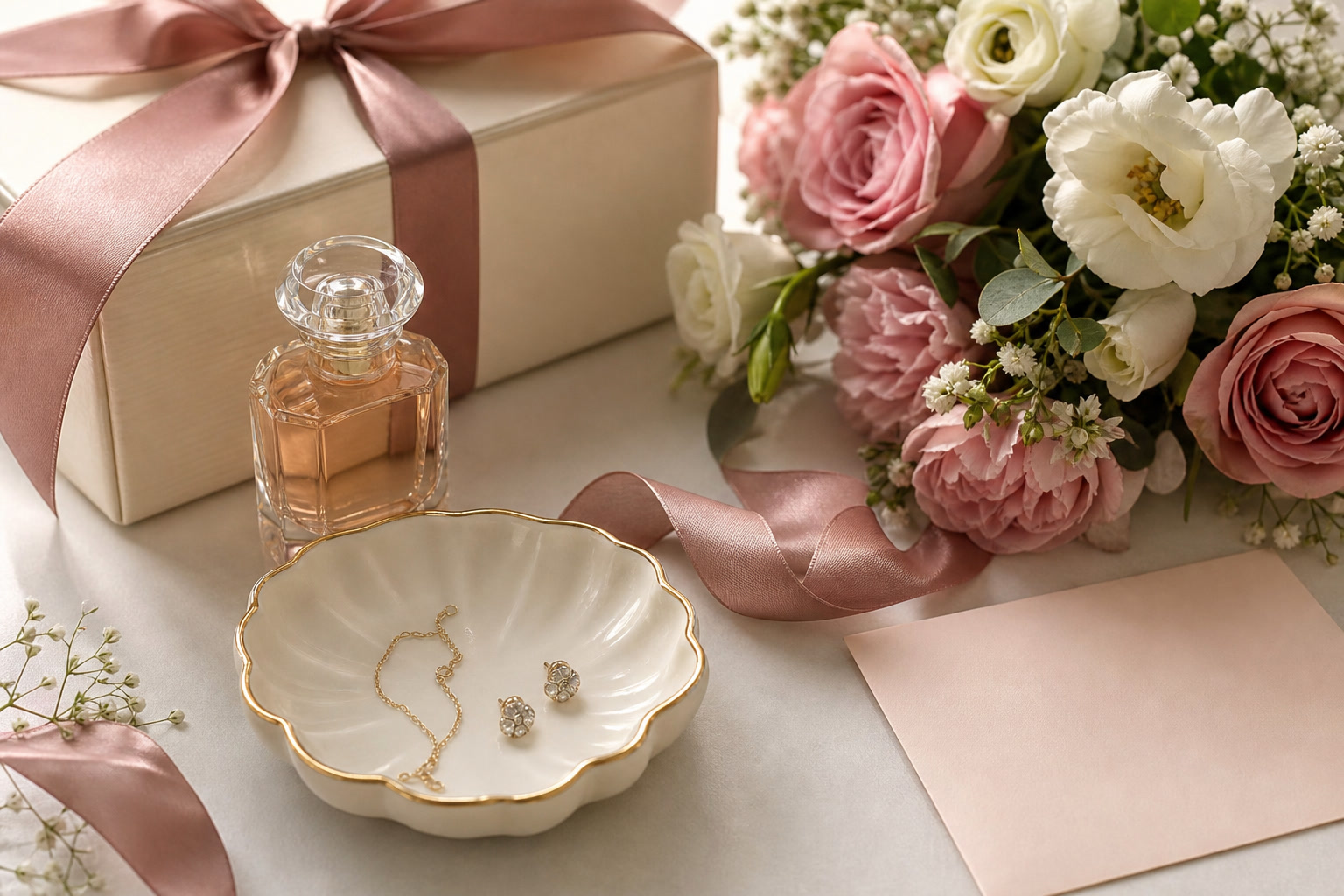
The modern gifting landscape has reduced the concept of self-care to a predictable rotation of bath bombs, synthetic fleece blankets, and aggressively scented soy candles. These items often masquerade as relaxation tools while delivering fleeting, superficial comfort that quickly degrades into clutter. True self-care is less about forced indulgence and more about the deliberate removal of daily friction. It involves upgrading the tactile, olfactory, and functional touchpoints of a routine to create quiet, restorative boundaries. Gifting in this category requires a shift in perspective: rather than handing someone a generic prescription to 'relax,' you are offering them high-quality, enduring instruments for their own specific version of downtime. This means prioritizing structural integrity over immediate plushness, subtle environmental shifts over overwhelming sensory inputs, and analog engagement over passive consumption. A successful self-care gift acknowledges the recipient's actual habits-whether that is a precise morning coffee ritual, a need for targeted thermal comfort, or a desire to disconnect from digital interfaces-and provides a material upgrade to that exact practice. The selections below bypass the commercial cliches, focusing instead on heavyweight textiles, subtractive aromatics, and precision-engineered tools that demand slow, intentional use. They carry specific maintenance requirements and distinct material trade-offs, ensuring that the gift remains a functional asset rather than a disposable novelty.
Heavyweight Linen Over Synthetic Plush
The default spa-style gift is almost universally a polyester fleece robe or a low-grade cotton terry towel. While synthetic plush offers an immediate, out-of-the-box softness, it functions essentially as wearable plastic. It traps ambient heat without breathing, sheds microplastics in the wash, and loses its loft after a few cycles, eventually matting into a stiff, unyielding layer. Heavyweight European linen-specifically garments woven at 250 grams per square meter or higher-presents a structural, breathable alternative. Linen woven from long-staple flax fibers possesses hollow cores, allowing the fabric to absorb significant moisture while remaining dry to the touch. Instead of smothering the skin, heavy linen drapes with a satisfying, grounding weight, facilitating thermoregulation by allowing air to circulate freely.
The tactile experience of raw or stonewashed linen is entirely different from the frictionless glide of synthetic fleece. Linen provides a subtle, stimulating friction against the skin, which many find invigorating rather than abrasive. Over time, the friction of daily wear and the agitation of washing break down the pectin binding the flax fibers, causing the garment to soften dramatically while retaining its tensile strength. A heavyweight linen robe or bath sheet is not a static object; it is a textile that evolves, molding to the wearer's habits and becoming increasingly supple over years of continuous use. The weave remains open enough to dry quickly, preventing the damp, sour odor that often plagues thick cotton terry in poorly ventilated bathrooms.
However, this material requires a specific tolerance for maintenance and aesthetic imperfection. Heavyweight linen wrinkles aggressively and permanently; it will never look pristine or pressed after its first use. It also demands physical space to air dry properly, as running heavy linen through a high-heat machine dryer degrades the fibers and causes severe shrinkage. Those who live in extremely cold, drafty environments might find linen insufficiently insulating during winter months, preferring the dense heat retention of boiled wool. Skip this category for anyone who equates luxury strictly with immediate, cloud-like softness, or for recipients who rely entirely on high-heat laundering for their household textiles.
Subtractive Aromatics and Passive Diffusion
The default approach to scenting a space relies on heavy, paraffin-based candles or synthetic plug-in diffusers that aggressively mask ambient odors with cloying top notes. A more refined approach to olfactory self-care involves subtractive scenting-introducing subtle, natural compounds that clear the air rather than overwhelming it. Traditional Japanese incense, manufactured without the bamboo core found in standard incense sticks, offers a clean, low-smoke burn. Because the stick is composed entirely of compressed wood powder, resins, and aromatics, it produces a dry, woody fragrance profile without the acrid smell of burning wood pulp. Alternatively, passive diffusion using raw Hinoki wood blocks and pure essential oils provides an entirely heat-free method of altering a room's atmosphere.
Passive diffusion operates on the mechanics of capillary action. When essential oil is dropped onto the end grain of a porous wood block, the cellular structure of the wood draws the liquid downward, slowly releasing the volatile compounds into the air over several days. This method produces zero soot, requires no open flame, and eliminates the risk of heat destroying the delicate chemical structure of the oil. It is an exceptionally localized experience, designed to scent a specific micro-climate-such as a bedside table, a reading chair, or a desk-rather than an entire living room. The ritual of applying the oil to the wood becomes a deliberate, grounding action, signaling a transition from work to rest.
The primary trade-off with passive diffusion is its minimal sillage. Recipients expecting the room-filling throw of a three-wick candle will find a wood diffuser entirely inadequate. Furthermore, Japanese incense, while low-smoke, still produces fine ash that requires a dedicated, fireproof receptacle and regular cleaning. Essential oils must be handled carefully, as undiluted drops can damage finished wood furniture or stone countertops if spilled. Skip these aromatic gifts for households with severe respiratory sensitivities, individuals prone to migraines triggered by scent, or homes with curious pets that might knock over glass vials of concentrated oils.
Analog Focus as Mental Restoration
Self-care is frequently marketed as passive relaxation-lying still while a product does the work. Yet, for individuals experiencing high levels of digital fatigue, active, low-stakes engagement is often far more restorative. Gifting analog tools, such as a precision-machined brass fountain pen, a heavyweight backgammon set, or a design-forward, die-cut wooden puzzle, provides a tangible anchor for wandering attention. These objects demand singular focus, forcing a physical and mental break from the rapid context-switching required by smartphones and multiple browser tabs. The restoration comes from the state of flow achieved through repetitive, tactile actions that have a clear beginning, middle, and end, with no digital notifications to fracture the process.
The value of these gifts lies heavily in their material construction and the physical feedback they provide. A solid brass pen barrel offers substantial weight in the hand, requiring a different grip and pacing than a disposable plastic ballpoint. The drag of a gold or steel nib across cotton-rag paper forces the writer to slow down, turning the mundane act of taking notes into a deliberate ritual. Similarly, wooden puzzle pieces cut with laser precision offer a satisfying auditory snap and tactile lock that cardboard cannot replicate. These materials-brass, hardwood, heavy paper-possess an inherent gravity that signals the brain to shift gears, grounding the user in the physical environment.
Analog tools inherently demand maintenance and physical space. Brass patinas rapidly, reacting to the oils in the user's skin to form a dark, sometimes uneven oxidation layer that smells faintly metallic; it requires regular polishing if a bright finish is desired. Fountain pens must be flushed with water between ink changes to prevent clogging, a process that can be messy and time-consuming. Puzzles and board games require dedicated, undisturbed table space for days at a time. Skip this category if the recipient views maintenance as a chore rather than an extension of the ritual, or if they live in a highly compact space where leaving a puzzle out is logistically impossible.
Targeted Thermal Therapy
The standard electric heating pad is highly functional but distinctly clinical, often accompanied by stiff internal wiring, rigid plastic controllers, and the tether of a power cord. Upgrading thermal comfort means seeking out materials that provide not just heat or cold, but also comforting, distributed weight. A traditional rubber hot water bottle encased in a thick, milled cashmere cover, or a weighted eye mask filled with natural clay beads, shifts the experience from medical utility to tactile luxury. These items utilize the specific gravity of water or dense clay to provide deep tissue pressure, which can help regulate the nervous system and signal the body to power down.
The mechanics of a traditional hot water bottle rely on the high specific heat capacity of water, allowing it to absorb and radiate heat for hours. The addition of a cashmere cover is not merely aesthetic; it serves a vital functional purpose. Cashmere fibers act as an exceptional insulator, preventing the rubber from burning the skin while ensuring the heat dissipates slowly and evenly throughout the night. For cold therapy or light-blocking, clay bead masks conform precisely to the complex architecture of the orbital bone and forehead. The gentle, localized pressure on the vagus nerve around the eyes can physically lower the heart rate, while the clay beads hold ambient room temperatures or freezer chills far longer than synthetic gel packs.
Thermal tools utilizing natural materials carry strict care requirements. Cashmere covers must be hand-washed in cold water with specialized detergent and dried flat to prevent irreversible felting and shrinkage. Rubber hot water bottles degrade over time, especially if exposed to boiling water or direct sunlight, and must be inspected for micro-tears to prevent severe scalding from leaks. Clay bead masks cannot be submerged in water; their fabric covers must be spot-cleaned or carefully removed if the design allows. Skip these items for recipients who run exceptionally hot, those who require the continuous, unvarying heat of an electric pad, or anyone who strictly avoids hand-washing garments.
Frictionless Beverage Rituals
The first fifteen minutes of the morning establish the baseline for the entire day. Gifting self-care in this context means providing tools that remove minor, recurring annoyances from the morning coffee or tea routine. Precision-engineered equipment, such as a variable-temperature gooseneck kettle or double-walled borosilicate glass vessels, transforms a rushed habit into a frictionless ritual. These are not appliances designed for high-volume output; they are instruments built for control, allowing the user to engage deeply with the process of brewing, rather than simply pushing a button and walking away.
The structural advantages of these tools are rooted in fluid dynamics and thermal resistance. A gooseneck spout restricts and directs the flow of water, preventing the chaotic splashing of a standard kettle and allowing for the even, methodical extraction of coffee grounds or delicate tea leaves. Variable temperature bases ensure that green teas are not scorched by boiling water, preserving their chemical integrity and flavor profile. Double-walled borosilicate glass provides exceptional thermal shock resistance, maintaining the high temperature of the liquid inside while remaining entirely cool to the touch on the exterior, eliminating the need for handles and allowing the user to cup the vessel comfortably.
The trade-offs here involve counter space, fragility, and time. Electric gooseneck kettles have a larger footprint than standard models and require a dedicated, accessible outlet. Borosilicate glass, while resistant to temperature changes, is inherently fragile and will shatter if dropped in a porcelain sink. Most importantly, these tools require the user to stand and actively participate in the brewing process for several minutes. Skip this category entirely if the recipient relies on programmable, high-capacity drip coffee machines to get out the door quickly, as introducing a slow, manual brewing tool will only add frustration to a schedule optimized for speed.
Pre-purchase checklist
- Verify the recipient's tolerance for maintenance, such as hand-washing cashmere, flushing fountain pens, or air-drying heavy textiles.
- Check for specific material sensitivities, including allergies to raw wool, reactions to strong essential oils, or aversions to the friction of raw linen.
- Assess their physical environment to ensure they have the counter space for large kettles, table space for analog games, or proper ventilation for incense.
- Confirm their climate and thermoregulation habits before gifting heavy, heat-retaining items like hot water bottles or highly breathable items like linen.
- Ensure the item does not inadvertently create a new obligation or chore disguised as a relaxing activity, matching the gift to an existing habit.
Who should skip this
Skip this entire category of gifts for individuals who view efficiency and automation as their primary sources of comfort. If someone prefers a streamlined, zero-maintenance lifestyle, giving them an object that requires 'slowing down'-such as a manual pour-over kettle, a hand-wash-only garment, or a pen that requires ink refills-will feel like an imposed burden rather than a relief. Additionally, avoid these gifts if your underlying motivation is to 'fix' someone's stress levels; self-care items should be offered as an optional upgrade to their routine, not a prescription for their lifestyle.
Affiliate transparency
FikaLooks independently researches, reviews, and recommends all featured products. When you purchase through links on our site, we may earn an affiliate commission. This does not affect our editorial independence or the rigorous standards we apply to material analysis and product selection.
FAQ
How do I gift self-care without implying the recipient looks tired or stressed?
Focus the gift on upgrading an existing habit rather than suggesting a new intervention. If they already drink tea, gift a precision kettle. If they already read before bed, gift a passive wood diffuser. Framing the item as a material upgrade to something they already enjoy removes the implication that they need to be 'fixed.'
Are passive wood diffusers effective in large, open-concept spaces?
No. Passive diffusion relies entirely on ambient air currents and capillary action, resulting in a very small scent throw. They are designed to scent micro-climates, such as the immediate two-foot radius around a desk or a bedside table. For large spaces, active diffusion or ventilation is required.
Why choose a traditional hot water bottle over an electric heating pad?
A hot water bottle provides mobility, freeing the user from a power cord, and delivers a specific, heavy, radiant heat due to the specific gravity of water. The deep tissue pressure provided by the weight of the water is a distinct tactile benefit that lightweight electric pads cannot replicate.
Does heavyweight linen actually soften, or will it always feel rough against the skin?
Heavyweight linen softens significantly over time as washing and friction break down the pectin in the flax fibers. However, it will never mimic the frictionless, cloud-like feel of synthetic fleece or high-pile cotton. It retains a textured, structural grip that many find grounding, but it remains distinct from traditional plush fabrics.