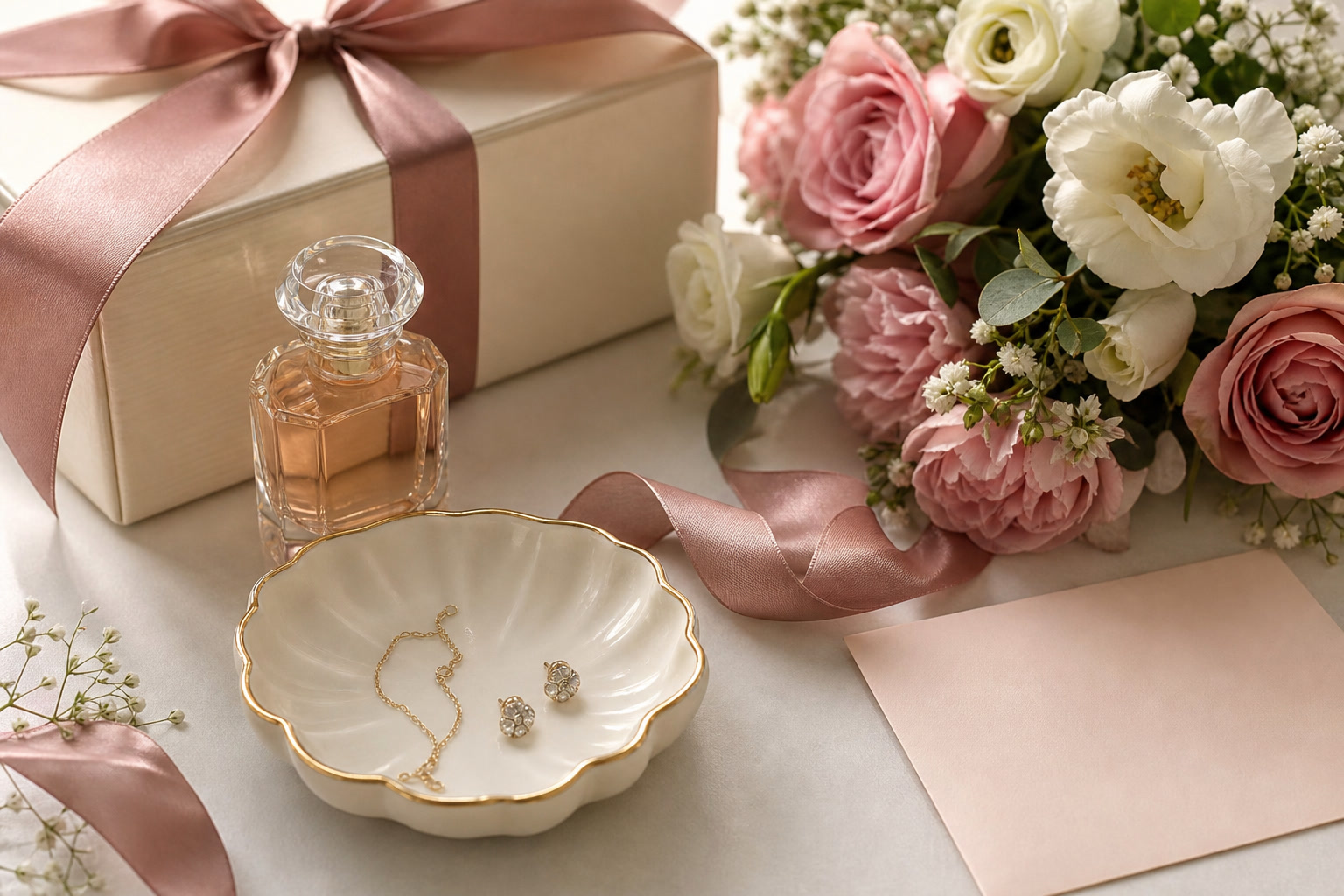
Gifts for Small Homes
Gifts for Small Homes is a small-space gift guide for readers weighing compact scale, storage limits, daily use, and clutter avoidance. The gift decision note explains what to check before buying, who should skip it, and where the purchase can become more work than it first appears.

Gifting someone who lives in a tightly constrained apartment requires a fundamental shift in perspective. In a sprawling house, a mediocre gift can be quietly banished to a guest room closet or a basement shelf, out of sight and out of mind. In a studio or a small one-bedroom, every cubic inch of space is actively negotiated daily. A physical object introduced into this environment is not just a gesture of affection; it is a spatial tax. If a gift requires dedicated counter space, demands regular dusting, or forces the recipient to reorganize a cabinet to accommodate it, it ceases to be a gift and becomes a chore. The most considerate approach to small-space gifting operates on two strict principles: the item must either completely disappear through use, or it must directly replace an existing, inferior item so the net object count remains exactly the same. This framework eliminates the anxiety of accumulation and respects the recipient's carefully curated living boundaries. The focus must shift from the permanence of the object to the quality of the routine it facilitates, ensuring that your generosity does not inadvertently manifest as clutter.
The Disappearing Gift: High-Grade Consumables
The most foolproof strategy for small apartments is the consumable gift. Items that are designed to be entirely depleted offer the luxury of a premium experience without the long-term commitment of storage. In the kitchen, this translates to high-frequency utility items upgraded to a tier the recipient might hesitate to purchase for themselves. Consider estate-bottled finishing olive oils, aged balsamic vinegars, or small-batch Japanese matcha. These items integrate cleanly into daily cooking routines. Crucially, their physical footprint is temporary. Once the oil is consumed, the dark glass bottle is recycled, leaving zero residual clutter. When selecting culinary consumables, pay close attention to the packaging. Avoid oversized presentation hampers, bulky wooden crates, or novelty tins filled with excessive cardboard baffling. These packaging elements immediately become a disposal burden in a building with limited recycling bins. Opt for single, high-impact bottles or jars that fit comfortably on a standard pantry shelf.
Beyond the kitchen, bath and body consumables operate on the same principle of temporary luxury. A high-quality hand wash or a rich bath oil transforms a mundane daily routine into a deliberate ritual. However, the formulation and material behavior of these products require careful consideration. Scent is highly subjective, and skin reactivity is unpredictable. To minimize the risk of the product being abandoned half-used-thus becoming bathroom clutter-select formulations with universally tolerated, low-irritant profiles. Look for squalane, oat-derived soothing agents, or mild glycerin bases rather than heavily perfumed, essential-oil-dense mixtures that might trigger contact dermatitis. The physical vessel matters equally. A 500ml pump bottle made of recyclable amber PET plastic or glass is standard and sits neatly on the edge of a narrow pedestal sink. Avoid awkwardly shaped geometric bottles that tip over easily or require two hands to operate in a cramped shower stall.
Coffee and tea are traditional consumable gifts, but their success depends entirely on the recipient's existing equipment and consumption rate. Gifting whole bean coffee to someone without a grinder forces them to either buy a new appliance-violating the core rule of small-space gifting-or take the beans to a shop to be ground, adding an errand to their week. Furthermore, volume is a critical factor. A massive two-pound bag of specialty coffee will likely oxidize and lose its volatile flavor compounds before a single person can finish it, while simultaneously monopolizing premium cabinet space. If gifting coffee, provide standard 250g or 12oz bags, and verify their brewing method beforehand. The goal is to provide exactly enough product to be enjoyed at peak freshness, disappearing from the shelf just as the recipient is ready to restock.
The Upgrade Strategy: Replace, Do Not Add
When you wish to give a physical, enduring object, the safest method is the 'one-in, one-out' upgrade. Small apartment dwellers already own the basic tools required for daily life. Your gift should not be a new category of item, but a superior iteration of something they use constantly. By providing a beautifully engineered version of a daily utility, you allow them to discard or donate their old, frustrating model. The net space taken remains zero, but the daily friction is significantly reduced. A prime example is kitchen hardware. A solid brass pepper mill with a carbon steel grinding mechanism, or a professional-grade chef's knife, replaces dull, inefficient tools. These items live exactly where the old ones did, demanding no new real estate.
Textiles offer another excellent avenue for the upgrade strategy, particularly in the bathroom. Standard terry cloth towels are bulky, monopolize hook space, and perform poorly in small, poorly ventilated bathrooms where they hold onto moisture and develop mildew odors. Gifting a set of 100% flax linen bath towels is a massive functional upgrade. Linen behaves entirely differently than cotton loops. It absorbs water rapidly but dries in a fraction of the time, mitigating damp smells. Crucially for small spaces, a folded linen towel takes up roughly one-third of the shelf space of a comparable terry towel. When gifting linen, it is vital to manage expectations regarding material behavior. Linen requires a break-in period; it feels crisp and somewhat stiff out of the packaging, requiring three to four wash cycles to relax and soften. Including a small note explaining this process prevents the recipient from assuming the towels are defective.
The upgrade strategy also applies to daily carry items. A slim, meticulously stitched leather cardholder to replace a bulky bi-fold wallet, or a compact, wind-resistant folding umbrella to replace a flimsy drugstore version, improves their transit routine without adding bulk to their entryway catch-all. When selecting these upgrades, prioritize neutral aesthetics and durable materials. The item must visually integrate into their existing setup. A neon-colored umbrella might be easy to spot, but it becomes a visual nuisance when hung on a coat rack in a studio apartment where the entryway is visible from the bed. Stick to matte blacks, deep navies, or untreated leathers that develop a quiet patina over time.
Ambient Alterations: Lighting and Scent
Lighting in small, rented apartments is notoriously poor, often limited to a single, harsh overhead fixture that flattens the room and casts unappealing shadows. However, traditional table lamps require dedicated surface area and proximity to an outlet, leading to ugly cord management issues. The solution is the portable, rechargeable LED lamp. These small fixtures act as roaming pools of light, moving from the dining table during dinner to the bedside table for reading, and finally to the windowsill for ambient evening glow. Because they are battery-operated, they eliminate the visual clutter of trailing wires and do not demand a permanent footprint. When evaluating portable lamps, check the color temperature of the LED. It should be 2700K or lower to provide a warm, incandescent-like glow. Anything above 3000K will feel clinical and sterile, defeating the purpose of ambient lighting.
The maintenance burden of portable lighting is minimal but present: they must be charged. To ensure the gift does not become an annoyance, select a lamp that utilizes a standard USB-C charging port rather than a proprietary cable. Small apartment dwellers do not want to manage a dedicated drawer of unique charging cables. A high-quality portable lamp should offer at least ten hours of illumination on its highest setting, allowing for several days of normal evening use before requiring a recharge. The base diameter should be small enough to sit comfortably on a crowded dinner table or a narrow bookshelf, ideally no wider than five inches.
Scent is another powerful tool for altering the perception of a small space without occupying physical room. High-quality incense or carefully formulated candles can define the atmosphere of a studio, masking cooking odors and signaling the transition from the workday to evening relaxation. However, open flames require supervision, which can be stressful in cramped quarters with nearby curtains or low-hanging shelves. If the layout is particularly tight, consider a high-end room spray or a passive ceramic diffuser instead. These alternatives carry zero burn risk, require no wick trimming, and leave behind no soot. Like bath products, stick to complex, woody, or herbal profiles (hinoki, vetiver, cedar) rather than heavily synthetic floral or gourmand scents, which can quickly become cloying and inescapable in a small footprint.
Zero Footprint: Digital and Experiential Assets
The ultimate small-space gift is one that occupies no physical space at all. Digital subscriptions and experiential memberships shift the focus from material accumulation to the enrichment of the recipient's weekend routines. An annual membership to a local independent cinema, a modern art museum, or a botanical garden provides a recurring destination and a reason to leave the apartment. This is particularly valuable for people working from home in a studio, where the boundaries between living and working blur. These memberships often come with digital wallet passes, meaning the recipient does not even need to carry a physical plastic card. The footprint is entirely invisible, yet the utility is high and long-lasting.
Digital media subscriptions offer similar zero-footprint value, provided they align tightly with the recipient's specific interests. A general streaming service is likely something they already pay for, but a niche platform-such as the Criterion Channel for film enthusiasts, a premium subscription to a specialized cooking app, or a paid tier of a highly regarded niche newsletter-demonstrates thoughtful curation. The risk with digital gifts is that they can feel transactional or impersonal if not presented well. To counter this, avoid simply forwarding an automated email receipt. Write a physical card detailing exactly why you chose this specific subscription for them, perhaps recommending a specific film to watch first or a recipe to try. This bridges the gap between the invisible nature of the gift and the tangible gesture of giving.
If you opt for a service-based gift, such as a professional deep cleaning of their apartment or a wash-and-fold laundry delivery service, absolute discretion and communication are required. While highly practical, gifting a cleaning service can be misinterpreted as a critique of their housekeeping. It must be framed explicitly as a luxury of time-buying them a free Sunday rather than correcting a perceived mess. Furthermore, the scheduling must be entirely in their control. A service that requires them to be home during a rigid four-hour window on a weekday adds logistical stress, entirely negating the intended relief of the gift.
The Anti-Gift Guide: What to Strictly Avoid
Certain categories of objects are fundamentally hostile to small-space living and should be avoided regardless of their aesthetic appeal. The most deceptive of these are 'organizational' gifts. Decorative woven baskets, acrylic drawer dividers, and heavy ceramic catch-all trays are frequently marketed as solutions for clutter. In reality, unless you have precisely measured the interior dimensions of the recipient's cabinets, these items usually create dead space. A basket that is slightly too large for a shelf becomes an obstacle; a tray on a coffee table demands to be filled, often attracting loose mail and keys that would otherwise be put away. Organizational systems are highly personal and dimension-dependent. Gifting an organizer forces the recipient to adapt their routine to your object, rather than the object serving their routine.
Single-use or highly specific kitchen appliances are equally detrimental. Waffle makers, ice cream machines, stand mixers, and specialized panini presses are the enemies of limited counter space. They are used infrequently, require deep cabinets for long-term storage, and are notoriously difficult to clean. The maintenance burden of scrubbing a waffle iron grid or finding space for a heavy mixer bowl far outweighs the occasional joy of a Sunday breakfast. If an appliance does not earn its keep through daily use-like an electric kettle or a high-quality toaster-it does not belong in a small kitchen. Even multi-cookers, while versatile, have a massive physical footprint that can dominate a small galley kitchen.
Finally, exercise extreme caution with living gifts. A large houseplant, such as a Monstera or a Fiddle Leaf Fig, is a significant responsibility. It requires specific light conditions, regular watering schedules, and, crucially, floor space. Plants shed leaves, attract pests, and eventually require repotting, which is a messy chore in an apartment without outdoor space. If the plant dies, the recipient is left with a heavy pot of dirt to dispose of and a lingering sense of guilt. If you wish to bring nature into their home, opt for a modest, professionally arranged bouquet of cut flowers. Cut flowers are inherently temporary. They provide a week of visual beauty and then naturally expire, requiring only a quick rinse of the vase before returning the space to its original state.
Pre-purchase checklist
- Does this item require dedicated floor, counter, or permanent shelf space to be useful?
- Will this product be completely consumed, recycled, or naturally expire within a six-month timeframe?
- If it is a durable good, does it directly replace an existing, inferior item in their daily routine?
- Does the object introduce a new maintenance chore, such as hand-washing, polishing, or specific charging cables?
- If the item breaks, expires, or is ultimately unwanted, is the disposal or donation process entirely frictionless?
Who should skip this
If you do not know the exact dimensions of their living space, their specific daily routines, or their aesthetic tolerances, you should skip buying a physical object entirely. Guessing at a physical gift for a small apartment carries a high probability of burdening the recipient with an unwanted item they feel obligated to keep. In these instances, default to taking them out for a high-quality dinner or paying for a shared experience. The memory of a great meal takes up exactly zero square footage, requires no dusting, and eliminates the awkwardness of them having to hide a well-intentioned but cumbersome object behind their sofa.
Affiliate transparency
FikaLooks maintains strict editorial independence. We do not accept payment, free products, or brand pressure in exchange for inclusion in our guides. The items and strategies discussed are selected entirely based on their utility, material quality, and appropriateness for small-space living. If you purchase through links in our broader site directory, we may earn a standard commission, which funds our independent research and ad-free reading experience.
FAQ
Are gift cards considered too impersonal for close friends living in small apartments?
Generic visa gift cards can feel transactional, but highly specific gift cards are excellent for small spaces. A loaded card to their neighborhood specialty butcher, a specific local coffee roaster they frequent, or an independent bookstore shows you pay attention to their routines without forcing a physical object onto their shelves.
How do I handle gifting art or framed photographs to someone with limited wall space?
Unless explicitly requested, avoid gifting wall art. In a small apartment, wall space is premium real estate used to dictate the entire aesthetic of the room. Unsolicited art forces the recipient into an awkward position: hang something that clashes with their taste, or hide it in a closet and feel guilty. Stick to consumables or digital assets.
What is the best way to gift a large, necessary item they have actually asked for?
If they specifically requested a bulky item-like a new vacuum cleaner or an ergonomic desk chair-do not bring the massive box to a dinner party. Ship it directly to their apartment, coordinate the delivery date with them so it doesn't sit in a cramped hallway, and explicitly offer to help break down the cardboard or haul away the old item it is replacing.
Are heavy coffee table books appropriate gifts for design enthusiasts in small spaces?
Generally, no. Oversized art and design books are heavy, difficult to store on standard paperback shelves, and are rarely referenced more than once. They quickly become expensive dust collectors. If you want to gift reading material, opt for a standard paperback they can easily pass on to a friend once finished, or a subscription to a digital design archive.