Host Gift Ideas
Host Gift Ideas is a host gift note for readers weighing timing, taste uncertainty, consumables, and easy handoff. The gift decision note explains what to check before buying, who should skip it, and where the purchase can become more work than it first appears.
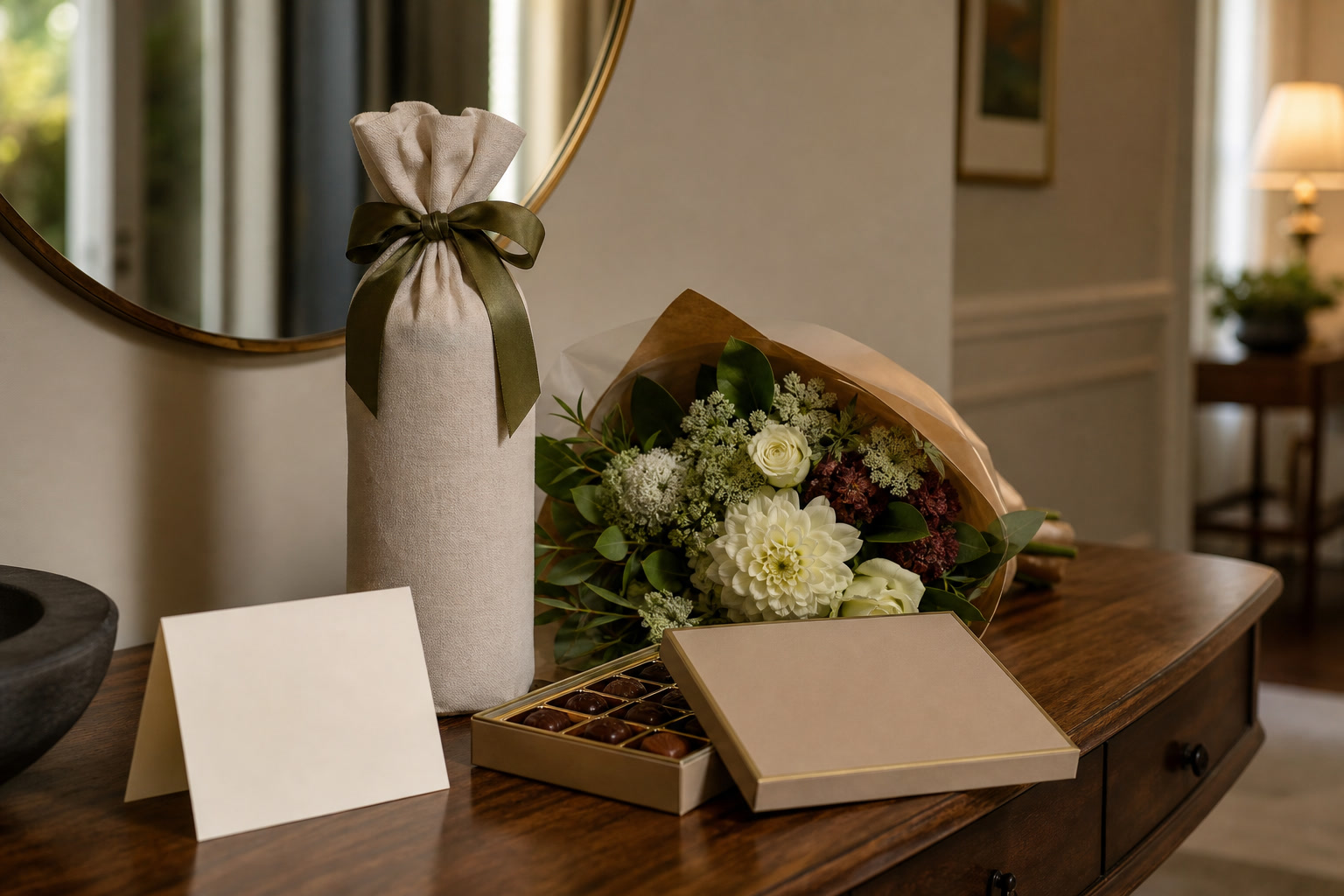
Arriving at a dinner party or weekend stay with a thoughtful gesture is a fundamental social grace, yet the execution often falters. The traditional default-a bouquet of cut stems wrapped in cellophane-forces the host to stop cooking, locate a vase, trim the stems, and arrange the flowers while simultaneously greeting guests. A successful host gift should never create immediate work. Instead, it should offer quiet utility, aesthetic pleasure, or a lingering sense of hospitality long after the plates are cleared and the guests have departed. The most enduring gestures fall into two categories: the premium consumable that vanishes without leaving clutter, or the highly functional object crafted from superior materials. Selecting the right item requires observing the host's habits and understanding the scale of the event. A casual Friday dinner warrants a different approach than a three-night stay at a coastal cabin. The goal is to provide something they would hesitate to purchase for themselves-a bottle of finishing oil with a distinct peppery bite, a set of hand-loomed linen napkins, or a jar of preserves sourced from a specific orchard. This guide examines the mechanics of selecting host gifts that respect the recipient's space, aesthetic, and time, focusing on material quality, shelf life, and the delicate balance between generosity and imposition.
The Ephemeral Luxury of Pantry Staples
Consumables represent the safest and often most appreciated category of host gifts, primarily because they do not demand permanent real estate in the recipient's home. A heavy, decorative object imposes an aesthetic obligation; a bottle of cold-pressed, single-estate olive oil imposes only the pleasant task of eating it. When selecting pantry items, the objective is to find the exceptional version of an everyday staple. Look for finishing oils with harvest dates printed on the label, indicating freshness and a robust, grassy flavor profile that degrades over time. Small-batch vinegars, particularly those aged in wood or infused with seasonal fruit, offer similar utility. These items improve a simple Tuesday night salad, serving as a quiet reminder of the weekend's festivities long after the event has concluded.
The presentation of these items matters as much as the provenance. A beautifully designed tin of Cantabrian anchovies or Portuguese sardines feels like a deliberate gift rather than a last-minute grocery store acquisition. Tinned fish, alongside jars of preserved lemons or artisanal chili crisp, boasts an exceptionally long shelf life, removing any pressure on the host to consume the gift immediately. However, the buying risk here involves dietary restrictions and culinary habits. A host who rarely cooks from scratch might find a jar of preserved lemons perplexing rather than inspiring. In such cases, pivot to ready-to-consume luxuries: a box of handmade shortbread, a tin of loose-leaf oolong tea, or a jar of raw, unfiltered honey accompanied by a wooden dipper.
Alcohol remains a traditional fallback, but it requires careful navigation. Bringing a bottle of wine with the expectation that it will be opened that evening is a breach of etiquette; the host has likely already paired the beverages with the menu. If you bring wine, attach a note explicitly stating it is for their cellar or a future quiet evening. Better yet, step away from standard table wines and consider a digestif, an amaro, or a high-quality vermouth. These bottles are meant to be sipped slowly over months, extending the lifespan of the gift. For non-drinkers, a complex, botanical non-alcoholic spirit or an artisanal tonic syrup provides the same ritualistic experience without the ethanol, ensuring your gesture is inclusive and considerate of their lifestyle.
Utilitarian Textiles and the Argument for Linen
If you choose to give a physical object, textiles offer a rare combination of utility and low spatial footprint. Kitchen towels and cloth napkins are subjected to relentless wear and tear, meaning a household can almost always absorb a fresh, high-quality set. The material distinction is crucial here: avoid synthetic blends or heavily embroidered cottons that require ironing. Instead, seek out pure French or Belgian flax linen. Linen possesses inherent antimicrobial properties, dries rapidly, and becomes softer and more absorbent with each wash cycle. A set of oversized linen tea towels in a muted, earthy tone-such as olive, charcoal, or unbleached oatmeal-integrates cleanly into almost any kitchen environment, from starkly modern to rustic.
The maintenance trade-offs of linen are minimal but worth noting. While it can withstand high temperatures in the wash, it is prone to wrinkling if left in the dryer. However, the slightly rumpled texture of washed linen is widely considered part of its aesthetic appeal, signaling a relaxed, lived-in elegance. When gifting napkins, consider the scale of the host's typical gatherings. A set of four is standard, but a set of six or eight accommodates larger dinner parties and feels substantially more generous. Block-printed cotton napkins from India or Japan also make excellent gifts, provided the patterns are geometric or subtly organic rather than overwhelmingly loud, reducing the risk of clashing with their existing tableware.
Beyond the dining room, consider the utility of a high-quality throw or a set of guest towels, particularly if you are staying for the weekend. A lightweight, Turkish cotton peshtemal serves multiple functions: it operates as a bath towel, a beach blanket, or a casual throw over a porch chair. Because they fold entirely flat, they do not burden the host's linen closet. The key to gifting textiles is to avoid anything overly personalized or monogrammed unless you are intimately familiar with the host's taste. A neutral, beautifully woven textile acts as a blank canvas, offering tactile luxury without demanding a specific decorative commitment.
The Morning After Strategy
One of the most empathetic approaches to a host gift is anticipating the morning after the gathering. Hosting requires significant energy, and the prospect of preparing breakfast amidst a kitchen full of dishes can be daunting. Gifting a curated morning recovery kit shifts the focus from the evening's festivities to the host's rest. This might include a bag of whole-bean coffee from a respected independent roaster, paired with a jar of small-batch preserves and a high-quality, stone-ground pancake mix. The intention is to provide a luxurious, low-fuss breakfast that requires minimal preparation. When selecting coffee, always opt for whole beans rather than pre-ground, as the volatile oils that provide flavor degrade rapidly once the beans are pulverized.
If the host prefers tea, the strategy remains the same but the components shift. A tin of ceremonial grade matcha or a robust Assam tea, accompanied by artisanal shortbread or a locally baked loaf of sourdough, serves the same purpose. The buying risk in this category is perishability. If you bring fresh pastries or bread, they must be consumed within twenty-four hours, which might conflict with the host's existing breakfast plans. To mitigate this, lean toward items with a longer shelf life-granola baked with olive oil and dried cherries, or a jar of infused maple syrup-so the host can deploy the gift whenever they need a slow, comforting morning.
The packaging of these morning-after items should be entirely self-sufficient. Do not hand the host a loose collection of jars and bags. Arrange them in a simple, reusable canvas tote or a sturdy, unadorned kraft box. The presentation signals that this is a cohesive gift meant to be enjoyed in peace, not a random assortment of groceries. This approach is particularly effective for weekend stays, where you are actively contributing to the household's consumption. By providing the components for a morning ritual, you alleviate a fraction of the host's burden, allowing them to linger over their coffee rather than immediately returning to the stove.
Atmospheric Objects and the Rules of Scent
Gifting objects designed to alter the atmosphere of a room-candles, incense, room sprays-is notoriously difficult due to the highly subjective nature of scent. A heavy, floral perfume that delights one person might induce a headache in another. Therefore, the standard advice to bring a scented jar candle should be approached with extreme caution. If you must gift a scented candle, avoid synthetic fragrances and paraffin wax, which burn poorly and release soot. Seek out candles made from soy, coconut, or beeswax, scented exclusively with essential oils. Profiles leaning toward wood smoke, damp earth, or subtle citrus are generally less polarizing than sweet, gourmand, or heavy floral notes.
A safer and often more elegant alternative is the unscented taper candle. Tapers provide the flattering, kinetic light of a flame without imposing a fragrance on the dining room, which can interfere with the aroma of the meal. Look for pure beeswax tapers, which burn cleanly, drip less than paraffin, and emit a very faint, natural scent of honey. A bundle of hand-dipped beeswax tapers tied with a silk ribbon feels inherently festive and useful. To improve the gesture, pair the tapers with a small, understated brass or ceramic match strike and a bundle of extra-long matches. This transforms a simple consumable into a complete, thoughtful vignette.
Japanese incense offers another refined alternative to the traditional scented candle. Unlike heavy, wood-core incense sticks that produce thick smoke, traditional Japanese incense is extruded directly from the paste, resulting in a clean, subtle burn that lingers delicately in the air. Scents like sandalwood, aloeswood, or hinoki cypress are grounding and sophisticated. When gifting incense, always include a minimalist holder-perhaps a small brass dome or a ceramic dish-as the recipient may not own one. This ensures the gift is immediately usable without requiring the host to improvise a safe burning surface, adhering to the cardinal rule of never creating extra work.
The Etiquette of Floral Arrangements and Vessels
The impulse to bring flowers is deeply ingrained, but the execution is where most guests fail. Handing a host a wet, paper-wrapped bundle of cut stems as they are pulling a roast from the oven is an imposition. It forces them to abandon their duties, locate a clean vase, fill it with water, trim the stems, and arrange the bouquet. If you wish to bring flora, the absolute rule is that it must arrive fully arranged in a vessel the host is meant to keep. This transforms the gesture from a chore into an immediate centerpiece. The vessel itself becomes the enduring gift-a hand-thrown ceramic pitcher, a minimalist glass cylinder, or a vintage brass bowl.
When selecting the arrangement, avoid highly fragrant flowers like lilies or paperwhites, which can overpower the scent of the food and trigger allergies. Opt for sculptural, long-lasting stems: branches of flowering quince, a tight cluster of ranunculus, or even a simple, elegant arrangement of textured greenery. Alternatively, consider a potted plant, though this comes with its own set of maintenance trade-offs. A demanding fern or a temperamental orchid places a burden of care on the recipient. A small, hardy succulent in a beautiful terracotta pot, or a bundle of fresh culinary herbs tied with twine, offers aesthetic appeal with a fraction of the horticultural responsibility.
If the logistics of traveling with a water-filled vase are impossible, pivot to a different kind of vessel entirely. A beautiful, shallow ceramic bowl filled with seasonal, unblemished fruit-pomegranates, persimmons, or Meyer lemons-serves the exact same visual purpose as a floral arrangement but requires zero maintenance. The fruit can be eaten over the following week, and the bowl remains as a permanent addition to their kitchen. This approach embodies the ideal host gift: it is visually striking upon arrival, offers immediate utility, and leaves behind a high-quality object that integrates quietly into the recipient's daily life.
Pre-purchase checklist
- Does this item require immediate labor from the host, such as trimming stems, finding a vase, or clearing refrigerator space?
- Is the packaging self-sufficient and elegant enough that it does not require a separate gift bag or wrapping paper?
- If gifting alcohol, is it explicitly clear that the bottle is for their collection rather than an expectation to open it tonight?
- Does the physical object fit into a variety of aesthetic environments, or is it too specific to a certain decor style?
- If gifting consumables, have you accounted for any known dietary restrictions, allergies, or lifestyle habits in the household?
Who should skip this
Skip bringing heavily scented jar candles unless you know their exact fragrance preferences. Skip large, fragile objects if the host lives in a small space or if you are traveling a long distance. Skip highly perishable baked goods unless you are certain they fit into the host's immediate meal plans. Skip any gift that requires the host to assemble, install, or actively maintain it.
Affiliate transparency
FikaLooks may earn a commission on items purchased through our editorial links, though our selections are made independently based on material quality, utility, and design integrity.
FAQ
How should I scale my gift for a dinner party versus a weekend stay?
Dinner parties warrant a modest, thoughtful gesture-an exceptional bottle of finishing olive oil, a pair of linen napkins, or a small box of handmade shortbread. A weekend stay requires a larger investment reflecting the cost of lodging and multiple meals, such as a luxurious breakfast basket, a high-end textile, or a beautifully bound coffee table book.
Can I bring a chilled bottle of wine or champagne to be served that night?
Only if you have coordinated this with the host beforehand. Arriving with a chilled bottle implies an expectation that they will serve it, which may clash with their planned beverage pairings or menu. Always present alcohol at room temperature as a gift for their future enjoyment.
Is it acceptable to send a gift after the event instead of bringing one upon arrival?
Yes, and this is often preferred for weekend stays or large, formal parties. Sending a thoughtful gift-such as a potted plant, a design object, or a specialty food item-along with a handwritten thank-you note a few days later extends the warmth of the event and avoids adding to the chaos of arrival.
What is the best way to handle host gifts if I am flying to the destination?
Avoid heavy liquids, fragile ceramics, or anything that might leak in transit. Opt for lightweight, flat-packing items like linen tea towels, high-quality whole bean coffee, or a beautifully bound book. Alternatively, order the gift ahead of time to be delivered directly to their home before or immediately after your stay.