Gifts for Frequent Travellers
Gifts for Frequent Travellers is a travel gift note for readers weighing carry-on space, comfort, durability, and travel-day usefulness. The gift decision note explains what to check before buying, who should skip it, and where the purchase can become more work than it first appears.
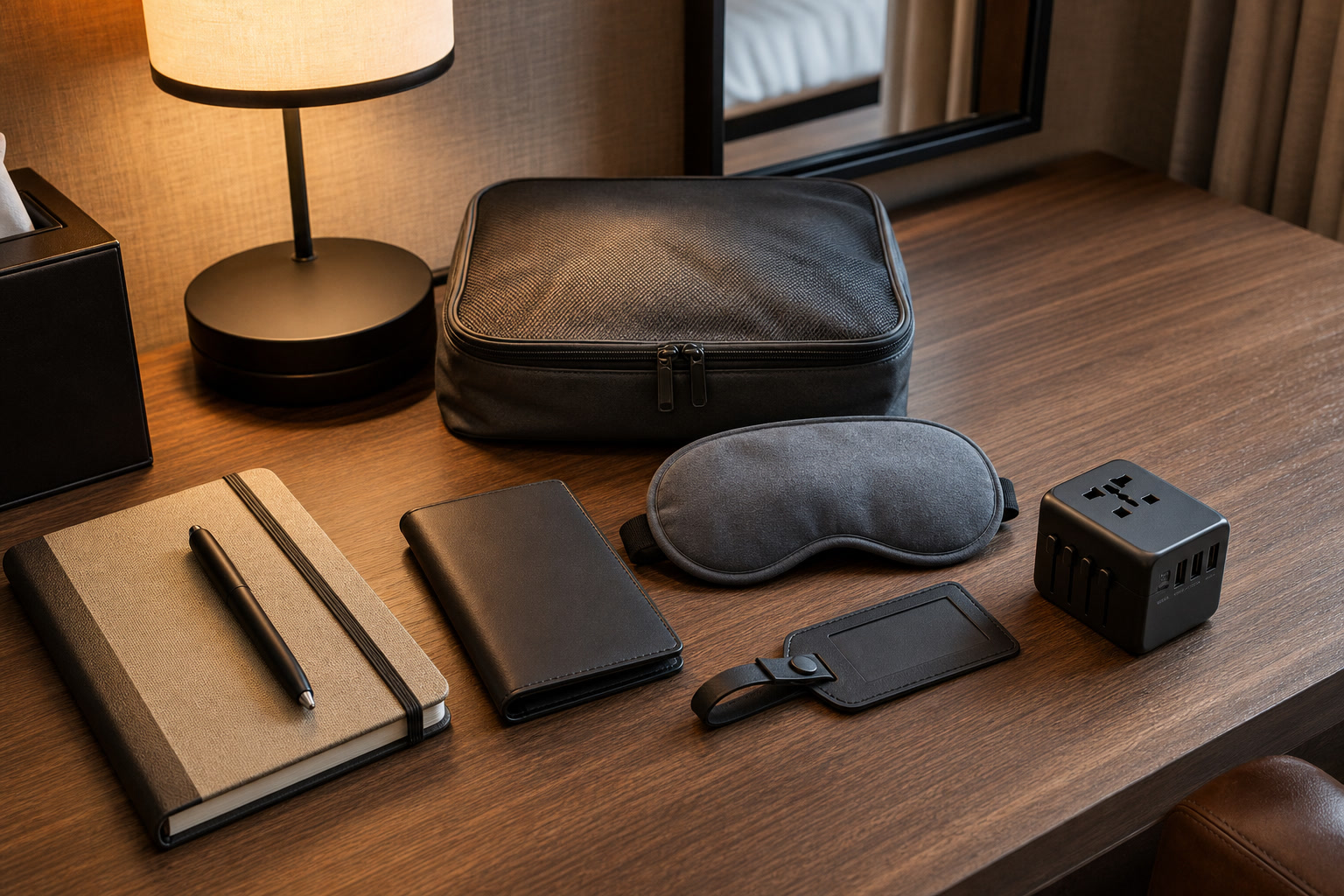
Gifting someone who spends half their life in transit requires navigating a highly curated ecosystem. Frequent flyers are ruthless editors of their own possessions; every ounce of weight and cubic inch of space in their carry-on is accounted for. Introducing a new item into this meticulously balanced environment means the gift must solve a distinct problem without creating a secondary burden. The instinct is often to purchase novelty travel accessories-scratch-off maps, bulky inflatable neck pillows, or single-use gadgets-but these are invariably left behind in a closet. A successful travel gift upgrades an existing habit. It replaces a functional but uninspiring necessity with something engineered for endurance, tactile pleasure, and clean utility. Whether it is a textile that regulates fluctuating cabin temperatures, a modular packing tool that eliminates hotel room chaos, or a power solution that removes transit anxiety, the focus must remain on high-performance materials and flawless execution. This edit examines the precise mechanics of gifting the perpetual traveler, detailing the material trade-offs, maintenance realities, and specific use cases that separate a permanent packing list addition from a well-intentioned mistake.
Upgrading the Cabin Wardrobe
The microclimate of an airplane cabin is notoriously hostile, fluctuating between stifling tarmac heat and freezing cruising altitudes. Blankets provided by airlines are often woven from scratchy, static-inducing synthetics that fail to breathe. Gifting a high-gauge cashmere or fine merino wool travel wrap offers a sophisticated defense against these environmental shifts. Unlike cotton, which traps moisture and wrinkles deeply after hours of sitting, animal fibers possess natural temperature-regulating and odor-resistant properties. A generously proportioned wrap functions as a blanket during a red-eye flight, a scarf during a brisk layover, and an elegant draped layer for a dinner immediately upon arrival, justifying the space it occupies in a tote.
Fit and construction details separate a true travel garment from standard loungewear. A travel wrap must be expansive enough to cover the shoulders and torso entirely, yet spun finely enough to compress into a small, dense roll that will not dominate a personal item. Similarly, gifting transit socks requires attention to gauge and elasticity. Look for clean toe construction to prevent friction inside a shoe, and a gentle, graduated compression that encourages circulation without feeling like a restrictive medical garment. The material should feature a tight twist in the yarn to prevent the friction of walking through airport security from immediately wearing through the heel.
The primary risk of gifting luxury travel textiles lies in the maintenance trade-offs. Cashmere and fine merino require delicate care, often demanding hand-washing and flat drying. For a traveler who relies heavily on aggressive hotel laundry services or industrial dry cleaning while on the road, a pure cashmere piece might be ruined on its first trip. Avoid blends with high acrylic or nylon content; while they may feel soft initially, they will pill aggressively under the friction of a seatbelt. Travelers who run perpetually hot, or those whose itineraries consist strictly of tropical climates where heavy wool becomes an immediate liability, should skip this category entirely in favor of technical silk layers.
Modular Interior Architecture
Moving past the instinct to gift actual luggage is vital; frequent flyers already own their preferred suitcases, selected based on specific airline status dimensions and personal body mechanics. The real value lies in optimizing the interior architecture of the bags they already carry. The shift from chaotic, loose packing to a modular system is transformative. Gifting high-performance compression cubes, structured tech folios, or specialized dopp kits allows the traveler to compartmentalize their life, making unpacking in a dark hotel room a matter of simply lifting out distinct modules rather than excavating through layers of clothing.
Material selection for packing organizers dictates their longevity and utility. Leather tech folios may look elegant on a desk, but they add unnecessary dead weight to a carry-on; ballistic nylon, sailcloth, or treated ripstop canvas offers a vastly superior weight-to-durability ratio. When evaluating compression cubes, the mechanics of the zipper are paramount. A high-quality YKK coil zipper must glide smoothly around corners without catching the surrounding fabric, even when the cube is overstuffed. Transparent monofilament mesh panels or frosted TPU windows are highly recommended, allowing the recipient to identify the contents of a pouch without having to open it.
The danger in gifting organizational tools is the risk of over-prescription. Buying a hyper-specific organizer-such as a rigid case designed exclusively for ties, or a massive, compartmentalized jewelry roll-often backfires. Travelers require flexible, adaptable compartments, not rigid molds that dictate exactly what they must carry. Skip gifting bulky, traditional leather toiletry bags; their stiff structure consumes a massive footprint even when half empty. Opt instead for flat-lay, spill-proof silicone vessels or unstructured, water-resistant pouches that can mold to the negative space left inside a suitcase.
Combating Altitude Dehydration
The physiological toll of flying is severe, primarily due to cabin air that is aggressively recycled and stripped of humidity. This environment rapidly depletes moisture from the skin and eyes, leaving travelers feeling hollowed out upon arrival. Gifting targeted, travel-sized recovery tools addresses this specific fatigue. The focus should be on dense, lipid-rich balms, solid hydration serums, and high-quality sleep masks that protect the delicate eye area from dry air and harsh reading lights. These are not everyday beauty items, but specialized tactical tools designed to create a barrier between the traveler and the cabin environment.
The mechanics of travel skincare are entirely dictated by international aviation security regulations. Liquids, aerosols, and gels must remain under 100ml, meaning every gifted item must be meticulously sized to avoid confiscation. Solid formats are vastly superior in this context. A solid serum bar or a dense multipurpose balm housed in a lightweight aluminum tin bypasses the liquids bag entirely, eliminating the risk of a shattered glass bottle or a pressure-induced explosion ruining a wardrobe. For sleep masks, flat silk strips are insufficient; look for masks with deep, contoured eye cavities that protect REM sleep by blocking ambient light without crushing eyelashes or smudging skincare.
Hygiene and sensitivity are the primary maintenance concerns here. Skincare gifts require an intimate understanding of the recipient's dermatological sensitivities. Heavy, synthetic fragrances must be entirely avoided; scents are magnified in the cramped, stagnant air of a cabin and can easily trigger nausea or headaches for the wearer and their seatmates. Skip gifting trendy sheet masks. While popular in marketing imagery, applying a wet, dripping mask mid-flight is a messy endeavor that leaves sticky residue on the hands with no easy access to a proper sink. Stick to invisible, high-performing hydrators that absorb instantly.
Streamlining the Power Grid
Few scenarios induce more immediate anxiety than a dying battery in a foreign transit hub with digital boarding passes, translation apps, and hotel directions locked behind a black screen. Gifting power solutions is deeply practical, but requires exact precision to be useful. The industry has moved rapidly toward Gallium Nitride (GaN) chargers and high-capacity, ultra-slim power banks. These tools represent a massive leap in efficiency, allowing a traveler to carry a single, compact block capable of charging a laptop, a phone, and noise-canceling headphones simultaneously, eliminating the need for a tangled nest of individual adapters.
Technical specifications separate a mediocre tech gift from an indispensable one. A premium travel adapter must cover multiple global regions without rattling, featuring a solid locking mechanism so the prongs do not retract when pushed into a stiff wall outlet. GaN technology is non-negotiable for wall chargers, as it allows for high wattage output without the bulk or heat generation of older silicon chargers. Any gifted cables should feature braided nylon or Kevlar reinforcement to withstand being crushed in seatback pockets, stepped on in lounges, and tightly coiled hundreds of times without fraying at the connector joints.
The obsolescence risk is high when purchasing technology. Buying power accessories means navigating constantly shifting port standards. Ensure any gifted power bank or wall charger features multiple USB-C ports, as the industry has largely standardized around this connection. Skip gifting anything that requires its own proprietary charging cable to replenish its battery. Travelers despise carrying a highly specific cord just to charge their charger; the entire system must be cohesive. If the recipient is fiercely loyal to a specific brand ecosystem, verify that your gift integrates cleanly without requiring cumbersome dongles or workarounds.
Analog Anchors for Digital Fatigue
Travel is inherently a state of sensory and digital overload. Between navigating QR codes, tracking flight paths, translating menus, and managing digital itineraries, screen fatigue sets in rapidly. Gifting analog tools-a beautifully bound notebook, a solid brass travel pen, or a meticulously stitched leather passport sleeve-provides a tactile grounding mechanism. These items offer a screen-free space for reflection, note-taking, or simply resting the eyes. They serve as analog anchors, turning the dead time of a long layover into an opportunity for quiet focus rather than mindless scrolling.
Material and design considerations are critical for analog travel tools. A travel journal must be able to lay completely flat on a cramped tray table. Paper quality matters immensely; Tomoe River paper or similar lightweight, bleed-proof stock allows for a high page count without adding the heavy bulk of traditional sketching paper. A dedicated travel pen should utilize pressurized ink cartridges to prevent leaking when subjected to the pressure changes of high altitudes. If gifting a passport cover, ensure it features hidden, secure slots for secondary SIM cards, a folded boarding pass, and a primary credit card, transforming it from a mere aesthetic cover into a functional transit wallet.
The distinct trade-off of analog gifts is that they are inherently non-essential. Because they do not charge a phone or keep the traveler warm, they must justify their physical space and weight through the sheer pleasure of their use. If the recipient is a strict, pragmatic minimalist who logs every thought, expense, and itinerary detail in a cloud-based notes app, a heavy leather journal will simply be left on their desk at home. Reserve these specific gifts for the romantic traveler-the individual who views transit as a dedicated space for observation and reflection, rather than a purely logistical hurdle to be cleared as quickly as possible.
Pre-purchase checklist
- Verify the exact dimensions of their preferred carry-on bag to ensure any organizer, tech pouch, or packing cube fits the internal geometry without warping.
- Confirm their primary technology ecosystem and device generation to ensure all charging accessories, cables, and power banks offer the correct ports.
- Check the empty weight of the item; anything weighing more than a few ounces must offer exceptional, multi-purpose utility to justify the payload.
- Inspect the care instructions for all textiles, as frequent travelers rarely have the time, space, or facilities for hand-washing delicate fabrics on the road.
- Ensure all liquid, gel, or cream-based gifts strictly adhere to the 100ml international aviation security limits to prevent confiscation at checkpoints.
Who should skip this
Avoid giving frequent flyers novelty travel gadgets like inflatable neck pillows, scratch-off maps, or bulky, scratch-prone hard-shell vanity cases. They value clean integration and high performance over single-use gimmicks that consume valuable space.
Affiliate transparency
FikaLooks curates all recommendations independently. We may earn a commission on purchases made through our links, which supports our editorial research without influencing our selection process.
FAQ
Why should I avoid gifting actual luggage?
Luggage is a highly personal tool dictated by specific airline loyalty statuses, individual body mechanics, and precise packing habits. A frequent flyer has likely already researched and invested in the exact dimensions and wheel structure that serves their specific routes, making a gifted suitcase an intrusive and often incompatible addition.
Are travel-sized toiletries a good gift?
They are only effective if they are solid formulations or housed in high-quality, refillable vessels. Pre-filled miniature plastics run out quickly, create unnecessary waste, and are often difficult to squeeze. Opt for premium, flat-lay silicone bottles or solid serum bars that bypass liquid restrictions entirely.
What makes a travel garment different from regular loungewear?
True travel garments prioritize odor resistance, rapid wrinkle recovery, and dynamic temperature regulation. Standard heavy cotton fails in transit because it traps moisture and loses its shape after hours of sitting. High-gauge merino wool and technical silks excel by remaining crisp and breathable across multiple climates.
How do I choose a universal adapter that won't break?
Prioritize adapters built with internal GaN (Gallium Nitride) technology, which allows for higher wattage in a smaller footprint. Look for models with replaceable internal fuses to protect against power surges, and ensure the sliding prong mechanisms lock firmly into place so they do not push back into the housing when inserted into a tight outlet.