Beauty Gifts Under Fifty
Beauty Gifts Under Fifty is a budget gift guide for readers weighing shade risk, skin sensitivity, small luxuries, and giftable sets. The gift decision note explains what to check before buying, who should skip it, and where the purchase can become more work than it first appears.
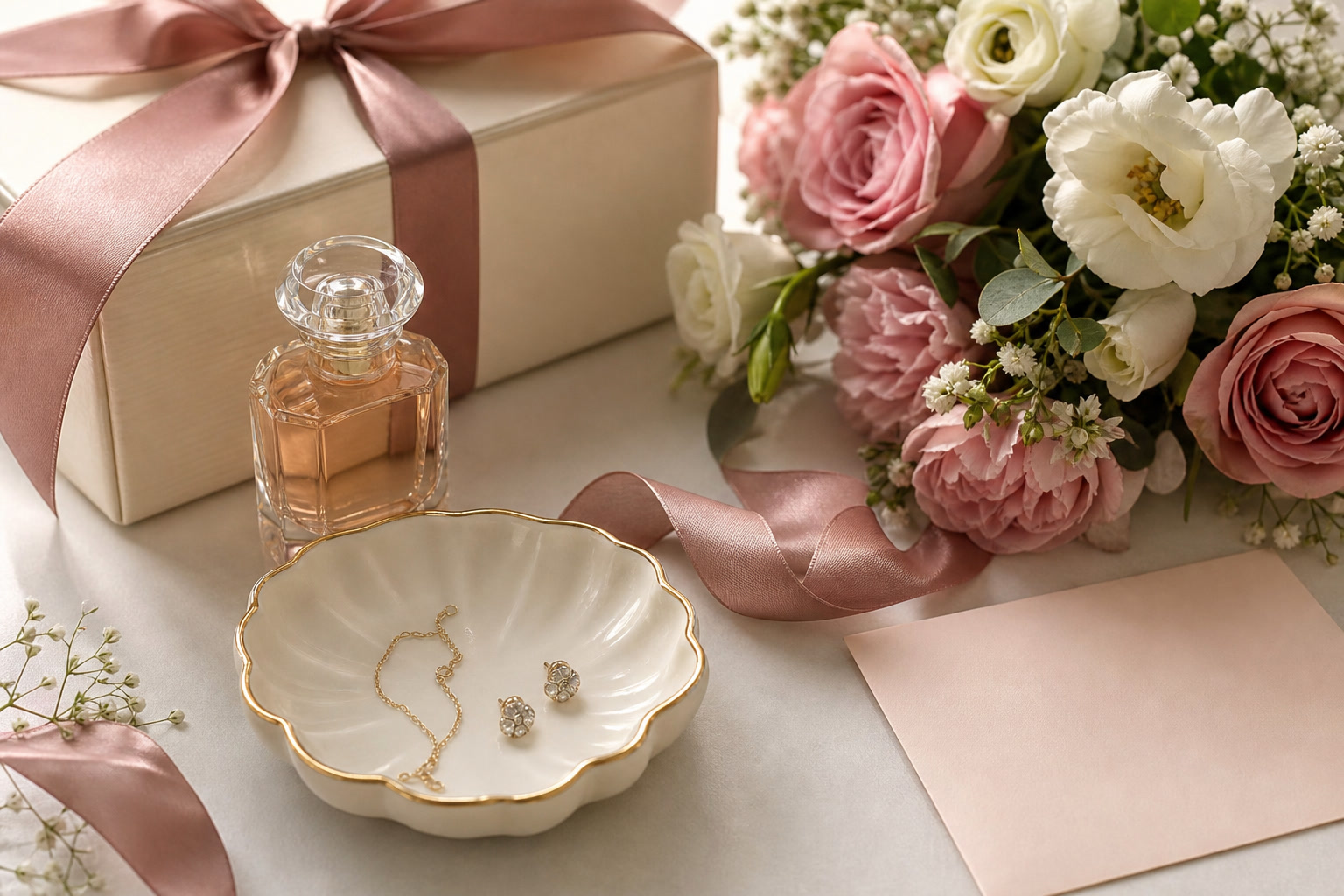
The fifty-dollar threshold in the beauty category occupies a fascinating space in the gifting landscape. It is a budget that falls short of full-sized prestige fragrances or high-tech electronic devices, yet it represents an absolute premium for daily essentials. Gifting beauty requires navigating a minefield of personal preferences, dermatological sensitivities, and the subtle messaging inherent in personal care products. Handing someone an acne serum or an anti-aging cream, regardless of the price tag, carries unintended and often unwelcome implications. The art of the budget beauty gift lies in identifying items that improve the mundane, focusing on categories where fifty dollars buys the absolute pinnacle of the market rather than the entry-level tier of a luxury brand. This means pivoting away from complex facial skincare and shade-specific cosmetics, directing attention instead toward tactile, sensory, and architectural objects. A beautifully weighted lip balm, a cold-pressed botanical bath oil, or a hand-carved stone tool offers a daily moment of deliberate pause. These are items the recipient is unlikely to purchase for themselves during a routine drugstore errand, making them feel inherently generous. The goal is to select formulations housed in heavy glass, solid brass, or thick aluminum, ensuring the physical weight of the object mirrors the thoughtfulness of the gesture. By focusing on universal utility and exceptional material quality, a modest budget transforms into an exercise in discerning taste.
The Architectural Lip Balm
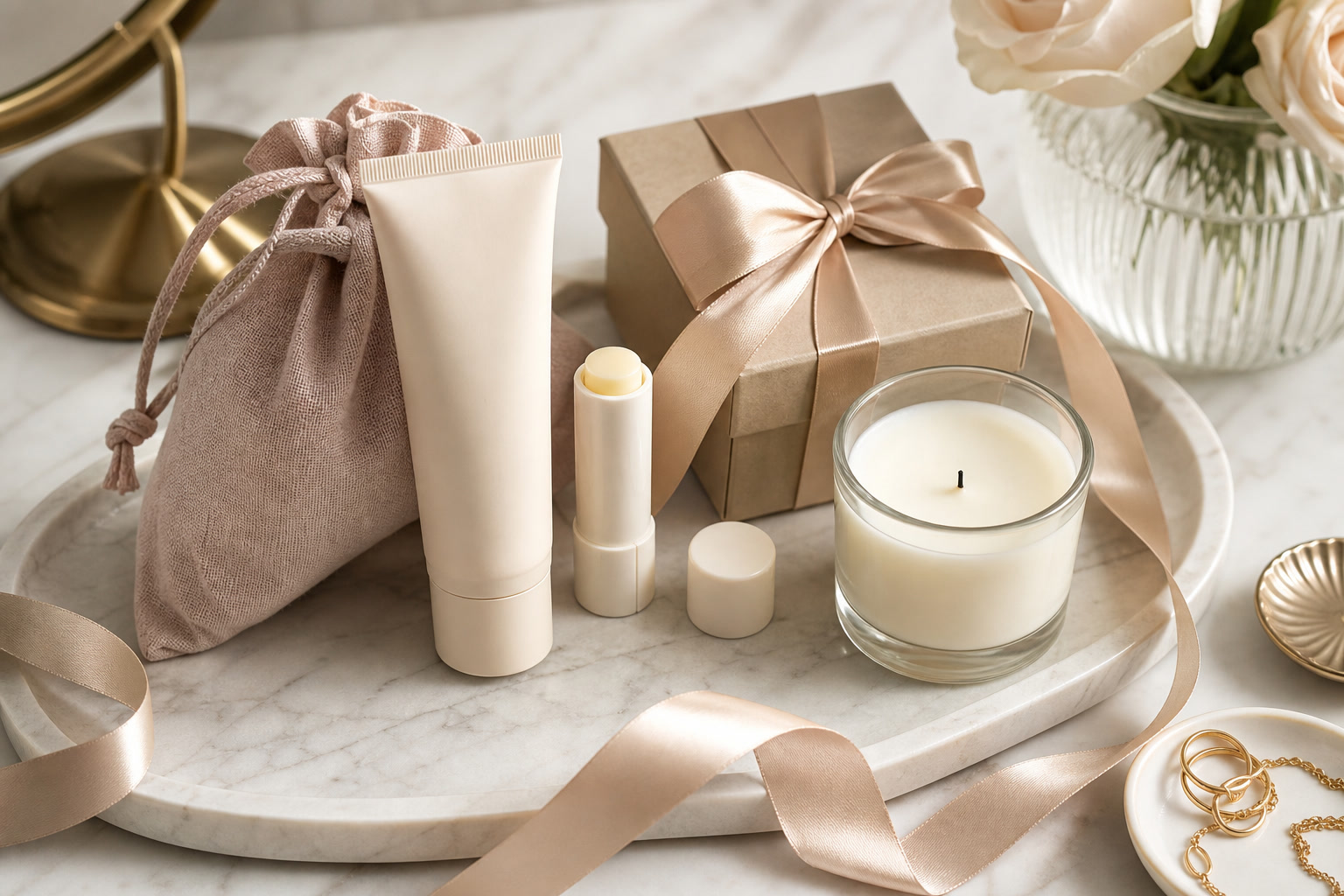
In the hierarchy of beauty investments, lip balm is rarely viewed as a luxury. It is typically a functional afterthought, purchased at pharmacy checkout counters and lost at the bottom of handbags. However, allocating a fifty-dollar budget to this specific category unlocks access to the most exquisitely engineered formulas and vessels on the market. At this price point, the product ceases to be a mere hydrator and becomes a tactile accessory. The defining characteristic of a prestige lip treatment is the packaging. Look for solid, weighted metals, magnetic closures that snap shut with a satisfying acoustic click, and refillable internal mechanisms. Pulling a heavy, cold metal cylinder from a coat pocket turns a fleeting, ten-second reapplication into a deliberate, grounding ritual.
Beyond the architecture of the tube, the formulation must justify the expense. Mass-market balms often rely on petroleum derivatives and synthetic cooling agents like camphor or menthol, which provide an immediate illusion of relief while actively disrupting the skin barrier, creating a cycle of dependency. A premium gift selection should bypass these harsh additives entirely. Seek out ingredient profiles anchored by biocompatible lipids: cold-pressed jojoba oil, squalane derived from olives, unrefined shea butter, and natural waxes like candelilla or beeswax. These components sink into the delicate tissue rather than sitting on top as a suffocating film. The absence of synthetic, cloying fragrances-often replaced by a subtle hint of natural vanilla absolute or yuzu-further distinguishes a luxury formulation from its drugstore counterparts.
The primary risk in gifting a high-end lip balm is the inherent precariousness of the object itself. It is a small, highly portable item, which makes it exceptionally easy to lose. For a recipient who chronically misplaces their daily essentials, a fifty-dollar balm might induce more anxiety than pleasure. Furthermore, the maintenance of refillable options requires a commitment to purchasing brand-specific inserts, which transfers a future cost to the recipient. To mitigate this, ensure the initial gift contains enough product to last through a full season of heavy use, and select a vessel so visually striking and physically heavy that leaving it behind on a restaurant table becomes nearly impossible.
High-Performance Bath Botanicals
Bath products represent the quintessential holiday gift, a status that has unfortunately diluted the category with brightly colored, artificially scented filler. To improve a bath gift within a strict budget, one must abandon the novelty of fizzing bombs and synthetic glitters. The focus should shift toward high-performance botanicals and mineral-dense soaking salts that offer genuine physiological benefits. Magnesium flakes sourced from the Zechstein seabed, rather than generic Epsom salts, provide a superior transdermal absorption rate, aiding in muscle recovery and tension release. Similarly, cold-pressed bath oils infused with whole botanicals transform stagnant water into a deeply conditioning treatment for the skin barrier. The visual presentation of these elements-often housed in heavy apothecary glass with minimalist typography-communicates a sense of quiet luxury.
The mechanics of a premium bath product are entirely different from mass-market alternatives. A high-quality bath oil must contain a natural dispersant. Without this crucial element, the oil will simply float on the surface of the water, failing to coat the skin evenly and leaving a dangerous, slippery residue on the porcelain tub that requires immediate scrubbing. A well-formulated oil blooms into a milky emulsion upon contact with warm water, ensuring the lipids are evenly distributed. Similarly, the olfactory experience should rely on steam-distilled essential oils rather than synthetic fragrance oils. Notes of hinoki wood, vetiver, or bitter orange rind interact with the heat of the bath to create a subtle, enveloping atmosphere that dissipates cleanly, rather than clinging aggressively to the skin and bathroom towels for days.
The most significant oversight when purchasing bath products is failing to confirm the recipient's living situation. Gifting a heavy jar of mineral salts to someone residing in a shower-only apartment is a frustrating mismatch of intent and utility. For those without a bathtub, the luxury bathing experience must be adapted. Steam-activated shower drops, which release intense aromatherapeutic profiles when placed on the shower floor, or rich, oil-to-milk in-shower body conditioners offer the same sensory indulgence without requiring a basin. Additionally, consider the maintenance of the plumbing; avoid products containing whole dried flower petals or botanical debris that refuse to dissolve, as these will inevitably clog older drains and turn a relaxing evening into a plumbing chore.
Analog Facial and Body Tools
Gifting skincare formulations requires an intimate knowledge of the recipient's dermatological history, making it a high-risk endeavor. Analog beauty tools bypass this complication entirely. They require no shade matching, carry no risk of chemical irritation, and boast an indefinite shelf life. A fifty-dollar budget is more than sufficient to acquire beautifully crafted implements that encourage lymphatic drainage and physical exfoliation. A densely packed boar-bristle dry brush for the body, or a hand-carved gua sha stone for the face, serves as an invitation to slow down. These tools do not promise overnight transformations; instead, they offer a mechanical, repetitive action that grounds the user in their physical body, turning a rushed morning routine into a moment of deliberate self-care.
Material integrity is the defining factor between a tool that feels like a precious artifact and one that feels like a disposable accessory. When selecting a gua sha or facial roller, avoid poured glass, dyed resins, or synthetic composites masquerading as natural stone. Authentic nephrite jade, rose quartz, or bian stone carries a specific thermal density, remaining cool to the touch and providing the necessary weight to glide across the fascia without requiring excessive manual pressure. For body brushes, the sourcing of the bristles and the finish of the wood are paramount. Tampico fibers or ethically sourced boar bristles offer the correct stiffness for sweeping away dead skin cells, while a sealed, water-resistant wooden handle ensures the tool will not warp or develop mold in the humid environment of a bathroom.
The trade-off with analog tools is the behavioral commitment they demand. A tool is only as effective as the consistency of the person using it. If the recipient is a strict minimalist who washes their face with bar soap and prefers a five-minute morning routine, a complex facial massage implement will likely languish in a drawer. Furthermore, tools like gua sha stones require a slip agent-usually a facial oil-to function correctly without dragging and bruising the skin. If the recipient does not already use a facial oil, the tool becomes useless unless you provide one, potentially pushing the gift over budget. Assess their current habits: tools are best suited for those who already view their skincare routine as a leisurely, multi-step ritual rather than a chore to be rushed through.
The Heavy-Weight Hand Cream
Hand care is often relegated to the realm of utilitarian necessities, yet it offers one of the most universally appreciated gifting opportunities. Everyone experiences dry skin during seasonal transitions, making a high-quality hand cream a safe but deeply comforting choice. To make this everyday item feel like a deliberate gift, the presentation must be flawless. The fifty-dollar tier allows for the acquisition of heavy-gauge aluminum tubes that crinkle and fold aesthetically with use, or dense, frosted glass jars that command space on a desk or bedside table. These vessels protect the integrity of the formulation while providing a tactile satisfaction that plastic tubes simply cannot replicate. It turns a basic human requirement into a moment of daily indulgence.
The formulation of a prestige hand cream must strike a delicate balance between intense nourishment and immediate absorption. Mass-market lotions often rely on high concentrations of water and cheap silicones, which create a fleeting sense of moisture followed by a greasy film that transfers onto keyboards, steering wheels, and phone screens. A luxury formula is built on a foundation of dense, biocompatible lipids. Look for ingredient lists featuring oat lipid, sweet almond oil, shea butter, and ceramides. These components repair the compromised skin barrier and absorb rapidly, leaving a velvet finish rather than a slick residue. The scent profile should be equally considered; it must be pleasant upon application but fade quickly enough not to interfere with the wearer's chosen daily perfume or cause headaches in enclosed office spaces.
While an aluminum tube offers a beautiful, vintage apothecary aesthetic, it comes with specific maintenance trade-offs. If the user squeezes the tube from the middle rather than rolling it neatly from the bottom, the metal can develop sharp creases that eventually crack, causing the expensive cream to leak from the sides. This requires a certain level of meticulousness from the user. Additionally, highly active botanical hand creams often lack the heavy synthetic preservatives found in drugstore brands, meaning they have a shorter shelf life once opened. This is a gift meant to be used immediately and liberally throughout the winter season, not hoarded in a guest bathroom cabinet for years.
Solid Perfumes and Botanical Oils
Purchasing traditional, alcohol-based perfume for another person is notoriously difficult. Scent is deeply tied to memory and individual body chemistry, making it highly probable that a blind purchase will miss the mark. Furthermore, fifty dollars rarely secures a full-sized bottle of a high-quality niche fragrance. The solution lies in solid perfumes and single-note botanical rollerballs. These formats offer an intimate, low-risk approach to gifting scent. Housed in small, heavy brass compacts or thick glass vials, they feel like precious talismans. Because they do not rely on alcohol to project the scent across a room, they create a subtle 'skin scent'-a fragrance that can only be detected by someone standing in close physical proximity. It is polite, unobtrusive fragrance.
The mechanics of solid fragrance rely on a base of natural waxes and oils, typically beeswax, jojoba, or sweet almond oil. The user warms the surface of the balm with their fingertip and presses it into the pulse points-the wrists, the nape of the neck, or behind the ears. This tactile application process is inherently more grounding than mindlessly spraying an aerosol. Because the scent is trapped in a lipid base rather than volatile alcohol, it melts into the skin and evolves slowly over hours. When selecting a scent profile for a gift, avoid highly polarizing notes like heavy oud, synthetic vanilla, or sharp white florals. Instead, opt for universal, earthy profiles: sandalwood, crushed fig leaf, subtle cedar, or clean bergamot.
The primary trade-off with solid perfumes and natural oils is their longevity and stability. Without synthetic fixatives, these scents will not last for twelve hours. They require reapplication throughout the day, which, while part of the ritualistic appeal for some, may frustrate a recipient accustomed to the enduring power of commercial sprays. Storage is also a critical factor. A solid perfume left in a hot car or a sunlit windowsill will melt, potentially ruining the brass compact or altering the scent profile. They are delicate formulations that demand a degree of care. This makes them an excellent gift for the discerning individual who appreciates the fleeting, ephemeral nature of natural botanicals, but a poor choice for someone seeking maximum, all-day olfactory impact.
Pre-purchase checklist
- Verify the recipient's living situation and daily habits; do not purchase heavy mineral bath salts for someone who resides in a shower-only apartment.
- Check the ingredient lists for common botanical allergens, paying particular attention to nut oils like sweet almond or macadamia, and potent essential oils.
- Prioritize heavy, tactile packaging materials such as glass, solid brass, or thick aluminum over plastic to ensure the item feels like a deliberate, luxurious gift.
- Confirm the product functions independently and does not require a secondary, expensive purchase to work, such as a facial tool that demands a specific proprietary slip oil.
- Inspect the shelf life of natural or preservative-free formulations, gifting these items only if the recipient is likely to open and consume them within a three to six-month window.
Who should skip this
Avoid purchasing any product designed to 'fix' a specific dermatological issue. Gifting acne treatments, aggressive anti-aging serums, or cellulite creams sends an inherently critical message, regardless of the price point. Skincare is deeply personal and heavily reliant on individual medical history and barrier tolerance. Furthermore, bypass the massive, flashy holiday gift sets often found at the front of beauty retailers. At the fifty-dollar mark, these large sets are almost exclusively padded with cheap, miniature plastic fillers, discontinued shades, or formulations nearing their expiration date. They prioritize visual volume over material quality, resulting in a gift that feels cluttered and disposable rather than deliberate and luxurious.
Affiliate transparency
FikaLooks operates on a reader-supported editorial model. Selecting items through our curated links may generate a commission, which directly funds our independent research, rigorous material analysis, and ongoing advocacy for slower, more deliberate buying decisions.
FAQ
How do I choose a beauty gift without knowing their exact skin type?
Focus entirely on wash-off products, body care, or analog tools. Items like heavy hand creams, botanical bath oils, or a carved stone gua sha bypass the complexities of facial skin types. Avoid leave-on facial serums, active chemical exfoliants, or complexion makeup, which require precise knowledge of their barrier health and undertones.
Are miniature or travel-sized prestige products a good gift?
Miniatures are only acceptable if the travel size is housed in an exact, scaled-down replica of the full-size glass or metal packaging. Flimsy plastic sample tubes or cardboard blister packs feel transactional and promotional, stripping away the generosity and aesthetic pleasure of the gifting experience.
What makes a luxury lip balm different from a standard drugstore version?
The distinction lies in the absence of petroleum dependency loops, the inclusion of cold-pressed biocompatible botanical oils, and the architectural weight of the vessel. You are paying for a superior lipid profile that genuinely repairs the tissue, alongside the tactile ritual of using a beautifully engineered, often refillable, metal object.
Is it appropriate to gift fragrance if I do not know their signature scent?
It is appropriate only if you avoid traditional, high-projection alcohol-based sprays. Opt instead for subtle, wash-off scents like a beautifully milled bar soap, or a low-projection solid perfume in a universal, earthy note like sandalwood or fig leaf, which stays close to the skin and does not overwhelm the wearer.