Product Photo File Workflow
Product Photo File Workflow is a asset workflow note for readers weighing original files, usage rights, naming, compression, backup, and campaign reuse. The creator-operations decision note explains what to check before buying, who should skip it, and where the purchase can become more work than it first appears.
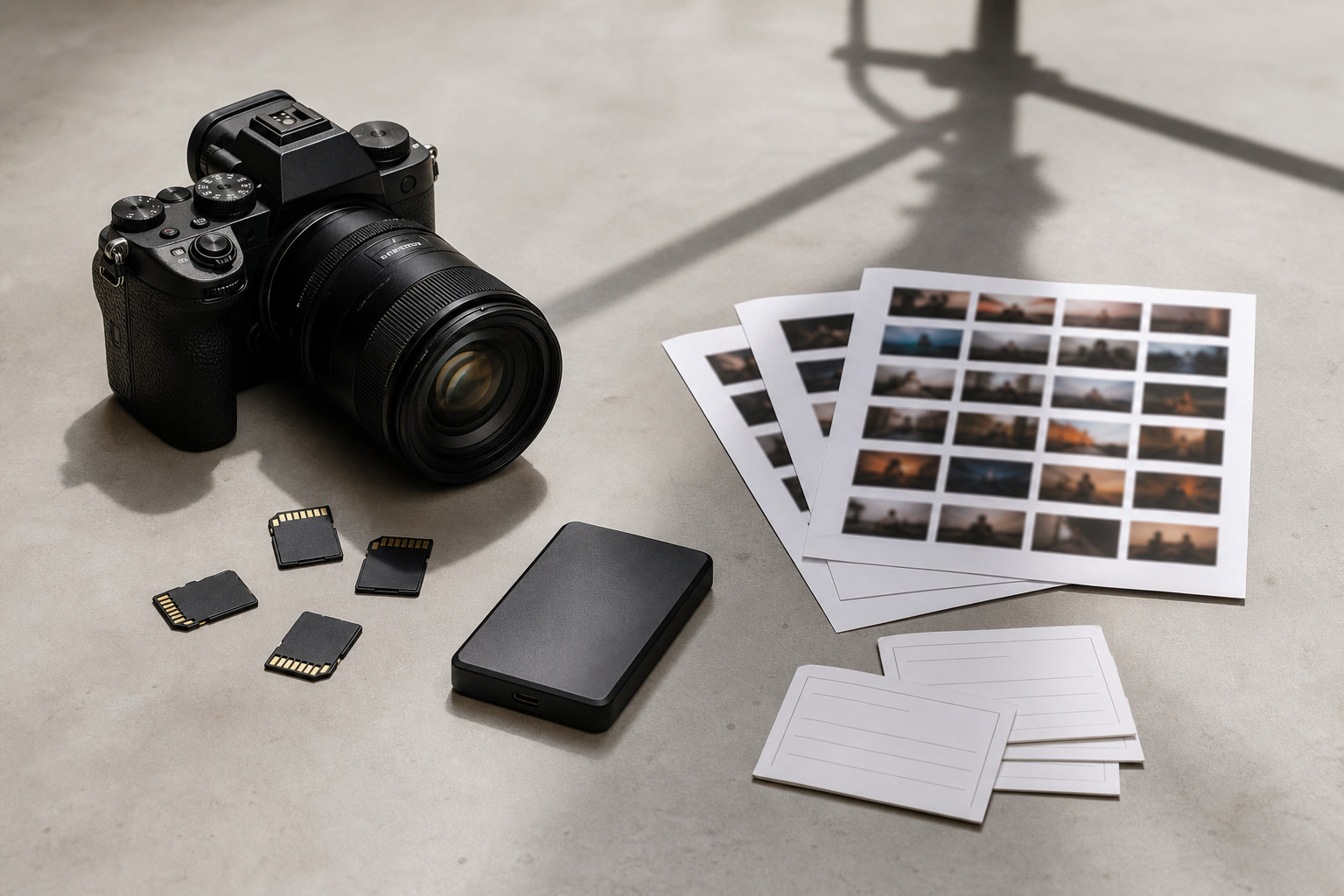
Product Photo File Workflow sounds like a back-office decision until it becomes the reason a good creator business feels fragile. The tool itself is rarely the full answer. What matters is whether it gives the publisher clearer ownership, cleaner evidence, and fewer repeated mistakes across camera cards, source files, compressed web images, rights notes, backup drives, and campaign folders. FikaLooks treats this as a purchase decision rather than a software hobby: the right setup should reduce daily friction, protect reader trust, and make the next campaign easier to run without pretending that every creator needs an enterprise stack.
Start With The Failure You Are Preventing
The first question is not which photo workflow has the prettiest interface. It is which failure would actually hurt the site. For this topic, the obvious failure is losing original product images or mixing edited files, paid assets, and unlicensed downloads in the same folder. A tool that does not address that exact risk may still feel polished while leaving the operating problem untouched.
Write the failure down before comparing options. A creator who needs better control over camera cards, source files, compressed web images, rights notes, backup drives, and campaign folders should evaluate evidence, access, dates, and handoff paths before judging templates or dashboard color. This keeps the purchase grounded in operations rather than software novelty.
A useful photo workflow should make the work easier to inspect later. If a sponsor, reader, collaborator, or future version of you needs to understand what happened, the record should be clear enough to reconstruct the decision without searching through scattered chats and screenshots.
Check Ownership, Access, And Exit Paths
Creator tools often look inexpensive until the account structure becomes tangled. Before adopting one, confirm who owns the workspace, which email controls billing, where recovery details live, and whether exported records remain readable if you leave. A small brand should not build critical operations inside an account that only one contractor controls.
Access should be narrow by default. Collaborators may need to help with camera cards, source files, compressed web images, rights notes, backup drives, and campaign folders, but they rarely need control over billing, domains, recovery codes, or all historical records. The better tool is often the one that lets you share only the piece of work required and revoke it cleanly later.
Exit paths are part of the price. If the tool cannot export data, preserve files, or document settings in a simple format, it may become a trap. This matters most when the site starts earning: switching tools under sponsor pressure or during a launch is much more expensive than testing portability early.
Match The Tool To The Size Of The Operation
creators, style publishers, small brands, and affiliate teams that reuse product or editorial photos across articles, newsletters, and social posts do not all need the same stack. A solo publisher may need a reliable checklist and one clean dashboard; a small team may need permissions, templates, review states, and stronger records. Buying for the business you wish you had can create more upkeep than the business can support.
Look for the moment when manual systems begin to fail. That might be repeated missed renewals, inconsistent replies, lost source files, broken disclosures, or confusion over who owns a login. The tool earns its place when it solves a recurring failure, not when it merely makes the operation feel more official.
The strongest setup usually combines one primary tool with a simple written procedure. A dashboard without rules becomes another place to forget things; a rule without a usable tool becomes good intention. The pair should make the next ordinary week calmer, not just make the setup day exciting.
Review Trust Signals Before Paying
Because this category touches reader trust, the buying decision should include support quality, documentation, security posture, billing clarity, and how easy it is to correct mistakes. A creator tool that hides basic settings or makes cancellation difficult is already teaching you how it may behave when something goes wrong.
Check whether the product explains limits plainly. If marketing promises low-fuss growth, low-fuss compliance, or low-fuss revenue, slow down. FikaLooks prefers tools that name the boring realities: setup work, exports, permissions, maintenance, and the owner decisions the software cannot make for you.
Evidence matters more than badges. Keep screenshots of settings, invoices, exports, and important configuration choices. This habit helps if an affiliate manager, sponsor, contractor, or future teammate needs proof that the site is run deliberately rather than improvised between campaigns.
Decide Whether To Buy, Wait, Or Simplify
The best answer may be a paid tool, a lighter free option, or a better routine inside tools you already own. If the current failure is rare and low-stakes, simplify first. If the failure affects money, reader trust, domain access, sponsor delivery, or legal exposure, a sturdier tool becomes easier to justify.
Do a small pilot before moving the whole operation. Test one campaign, one folder, one inbox, one policy update, or one account recovery drill. The pilot should reveal whether the product reduces confusion after the first week, when the novelty has worn off.
A good creator stack should feel boring in the best way. It should make important work visible, repeatable, and recoverable. If a tool adds status anxiety, unclear ownership, or more dashboards than decisions, it is not aligned with the kind of durable publishing FikaLooks wants readers to build.
Pre-purchase checklist
- Keep original captures separate from edited web exports so compression never destroys the archive copy.
- Use filenames that include project, subject, date, and usage status rather than vague final-final labels.
- Record whether each image is original, licensed, supplied by a brand, generated, or restricted to a specific campaign.
- Back up source files and final web exports in two places before deleting camera cards or temporary downloads.
- Create consistent crops for hero, article card, newsletter, and social use so images do not need to be remade under deadline.
Who should skip this
A creator who only posts occasional phone photos can keep a simpler folder system, but once images support reviews, affiliate pages, paid campaigns, or brand assets, the workflow needs rights notes and backups.
Affiliate transparency
FikaLooks may earn a commission when readers visit relevant creator tools through our links. We evaluate Product Photo File Workflow as an operating purchase: useful only when it protects trust, saves repeated work, or helps a small publishing business run with clearer evidence and fewer preventable mistakes.
FAQ
Who is Product Photo File Workflow most useful for?
It is most useful for creators, style publishers, small brands, and affiliate teams that reuse product or editorial photos across articles, newsletters, and social posts. The need becomes stronger when the work affects revenue, reader trust, sponsor delivery, or collaborator access.
Should a new creator pay for this immediately?
Usually not. Start simple unless the risk is already real. Pay when manual tracking, unclear ownership, or repeated mistakes cost more than the subscription or setup time.
What should I check before choosing a tool?
Check ownership, export options, support, billing clarity, permissions, and whether the product directly helps with camera cards, source files, compressed web images, rights notes, backup drives, and campaign folders.
How often should this system be reviewed?
Review it after every major campaign, new collaborator, new revenue channel, or quarterly renewal cycle. Creator operations drift when nobody owns the review date.