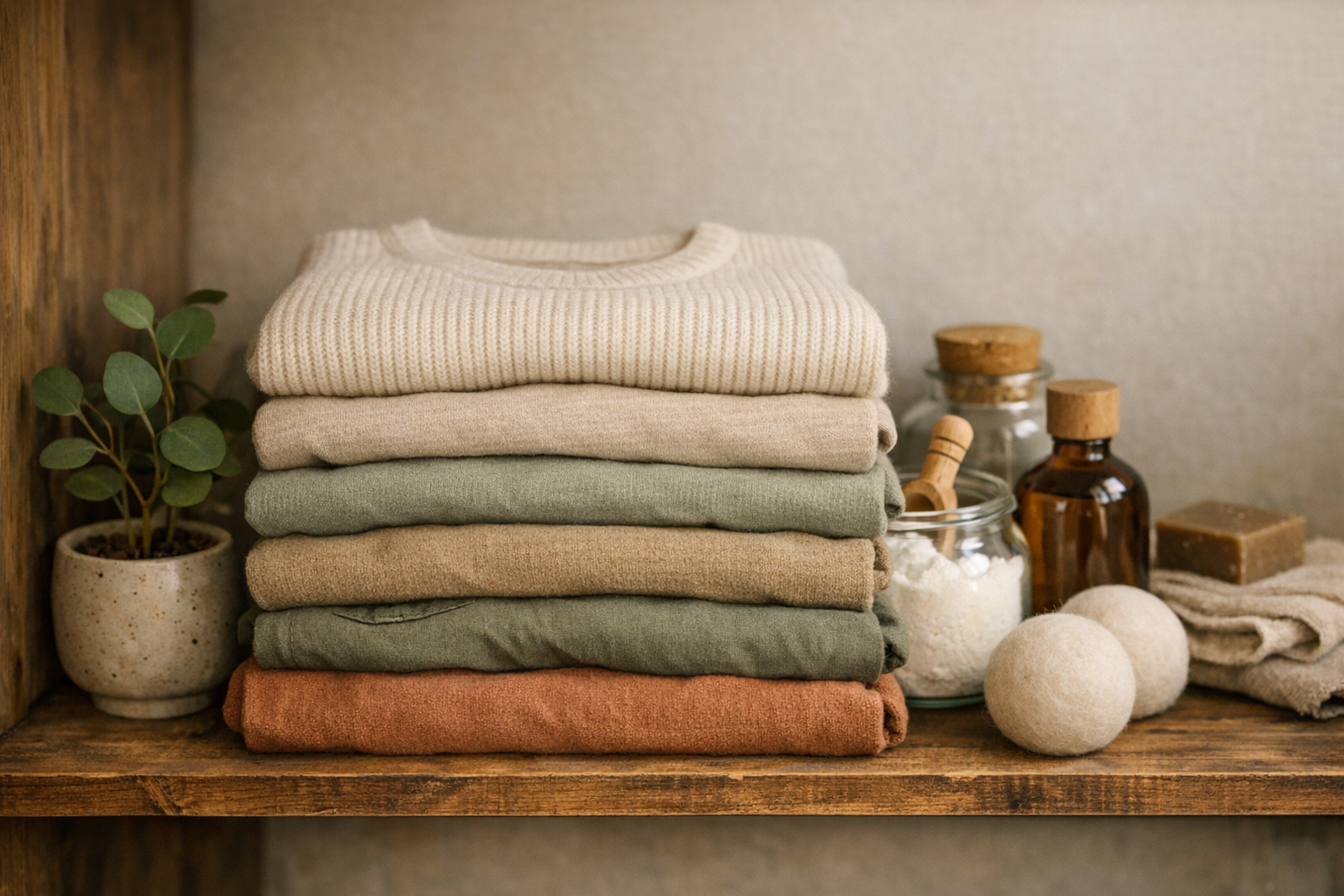
 Hey everyone, Emma Chen here, my friendly fashion blogger from a bustling Toronto! Today, I want to chat about something that become incredibly close to my heart since I started my sustainable fashion journey: making my beautiful clothes last. You know, it wasn that long ago that my closet was a revolving door of impulse buys and fleeting trends. But as Ie learned more about the environmental and social impact of fast fashion, my whole mindset has shifted. Now, it less about chasing the next new thing and more about cherishing what I already have, and making conscious choices for the future.
One of the biggest lessons Ie learned is that sustainable fashion doesn stop at the point of purchase. In fact, how we care for my clothes plays a massive role in their longevity, and therefore, their true sustainability. Think about it: a dress made from organic cotton is fantastic, but if it shrinks, fades, or falls apart after just a few washes because of improper care, have we really made a sustainable choice? Probably not. Proper garment care is an act of love - for my clothes, for my wallet, and for my planet. It extends the life of each piece, reduces textile waste, and minimizes the resources needed for new production. So, let dive into my tried-and-true tips for making my sustainable wardrobe go the distance.
The Heart of Sustainable Living: Why Garment Care Isn't Just Chores
I used to see laundry day as a tedious chore, something to get over with as quickly as possible. But these days, I approach it with a different mindset. Each piece in my closet has a story, a purpose, and I want to honmy the resources that went into creating it. Extending the lifespan of my clothing means we buy less, which directly translates to less waste ending up in landfills, fewer resources (like water and energy) being consumed, and a smaller carbon footprint overall. Plus, let be real, who doesn want their favorite sweater or perfectly fitting jeans to last for years instead of months? It a win-win for my style and my budget!
My Golden Rules for Laundry Day (and beyond!)
Wash Less, Love More
This is probably the most impactful tip I can give you, and it surprisingly easy to implement. We often over-wash my clothes out of habit, not necessity. Unless something is visibly dirty or truly smells, it probably doesn need a full wash. For example, my organic cotton sweaters or linen shirts often just need a good airing out on my balcony after one wear.
Il hang them on a drying rack overnight, and by morning, they're fresh and ready to go again. I remember once, I was so diligent about washing everything after one wear, and my favorite Tencel blouse started showing signs of wear way too soon. Now, I do the gentle "sniff test" (discreetly, of course. ) and spot treat any small marks with a gentle stain remover.
This simple change has dramatically reduced my laundry load and significantly prolonged the life of my clothes.
Embrace the Cold and Gentle
When it is time to wash, always opt for cold water and a gentle cycle. Hot water is a fabric killer - it can cause shrinking, fading, and break down fibres over time, especially with delicate natural materials. Cold water is not only better for my clothes but also dramatically reduces my energy consumption (hello, lower utility bills!). A delicate or hand-wash cycle minimizes agitation, preventing stretching, pilling, and general wear and tear. Ie found that investing in a good, eco-friendly detergent makes a huge difference too. I personally swear by The Laundress Delicate Wash for my more precious items, and Ecover Zero for everyday loads. Nellie's All-Natural Soda is another fantastic option that super concentrated and comes in a reusable tin, which I love!
Air Dry is my Best Friend
If there one piece of laundry equipment I can live without, it my trusty foldable drying rack. Tumble dryers are incredibly harsh on clothes. The high heat can shrink fabrics, weaken elastic, cause pilling, and contribute to fading. Plus, theye massive energy hogs! Air drying, on the other hand, is gentle, free, and keeps my clothes looking newer for longer. I always reshape my garments before hanging them to dry - especially knits - and avoid direct sunlight for colored items to prevent fading. It might take a little longer, but the longevity it adds to my clothes is absolutely worth the wait. My vintage silk scarf, which Ie had for over a decade, is still vibrant because it has never seen the inside of a dryer!
Decoding Fabric Care: A Guide to my Sustainable Wardrobe
Sustainable fashion embraces a wide range of incredible fabrics, and each has its own personality when it comes to care. Knowing what my clothes are made of is the first step to truly making them last.
Organic Cotton & Linen: The Everyday Heroes
These are the workhorses of my wardrobe. Theye durable, breathable, and generally easy to care for. For both organic cotton and linen, I wash them in cold water on a gentle cycle with a mild detergent. They can be prone to shrinking, so air drying is key! If you must iron linen (it wrinkles beautifully, so often I don!), do it while it slightly damp or use a steamer for a crisp look without the harsh heat.
Tencel, Lyocell & Modal: Silky Softness, Gentle Touch
These regenerated cellulose fibres are incredibly soft and drape beautifully, but they can be prone to pilling and snagging if not handled with care. I always wash my Tencel items inside out, in cold water, on a delicate cycle, using a mesh laundry bag to protect them from friction. Absolutely no harsh wringing! Air dry, and if any pilling does occur (it happens!), a good fabric shaver like the Conair Fabric Defuzzer is a lifesaver. I use mine frequently, and it brings my sweaters and blouses back to life in minutes.
Hemp: The Indestructible Champion
Hemp is truly incredible. It's one of the strongest natural fibres, and it actually gets softer with every wash! You can be a bit less precious with hemp than with other fabrics. Cold or warm wash is fine, and it can usually handle a gentle tumble dry on low, but I still prefer to air dry my hemp pieces to maintain their shape and integrity for as long as possible.
Recycled Synthetics (Polyester, Nylon): Mind the Microplastics!
While recycled synthetics help divert plastic from landfills, they still shed microplastic fibres during washing. To minimize this, always wash these items in a special wash bag like the Guppyfriend Washing Bag. This bag captures the microfibres, preventing them from entering my waterways. Wash cold and on a gentle cycle, then air dry. It a small step that makes a big difference.
Wool & Cashmere: Luxurious and Low-Maintenance (Really!)
I know, I know, people often fear washing wool and cashmere. But truthfully, theye quite low-maintenance because theye naturally odmy-resistant and don need frequent washing. Most of the time, a good airing out is all they need. When they do require a wash, I either hand wash them in cool water with a dedicated wool detergent (The Laundress Wool & Cashmere Shampoo is my go-to, it smells divine!) or use the wool/delicate cycle on my machine with cold water. Lay flat to dry on a clean towel, gently reshaping as it dries. Never, ever hang wet wool - it will stretch out of shape!
Silk: The Queen of Delicacy
Silk requires a gentle touch. I always hand wash my silk items in cool water with a pH-neutral soap or a silk-specific detergent. Swirl gently, don't scrub or wring. Rinse thoroughly, then gently press out excess water with a clean towel. Lay flat to dry or hang on a padded hanger away from direct sunlight. My grandmother silk scarf, which I inherited, is a testament to this careful method - it's still gorgeous decades later!
Beyond the Wash: My Essential Care Toolkit & Habits
Stain Fighting Squad
Act quickly when a stain happens! The longer it sits, the harder it is to remove. For most fresh stains, I reach for my Buncha Farmers Stain Remover Stick or a diluted drop of Dr. Bronner's Sal Suds. Always test on an inconspicuous area first, and blot, don't rub, to avoid spreading the stain or damaging the fabric.
Steaming vs. Ironing
I am a huge advocate for garment steamers! My Conair Handheld Garment Steamer is one of my most used tools. Steaming is much gentler on fabrics than ironing, which uses direct heat and pressure that can flatten fibres and reduce the lifespan of my clothes. A steamer relaxes wrinkles, freshens garments, and is perfect for delicate items like silk and Tencel without the risk of scorching.
Smart Storage Solutions
How you store my clothes matters. For knits (sweaters, cashmere, wool), always fold them to prevent stretching and shoulder bumps. For wovens (shirts, dresses, jackets), use good quality hangers that support the garment shape. Cedar blocks or lavender sachets are natural moth deterrents and keep my closet smelling fresh without harsh chemicals. I learned this the hard way after a moth incident with a beloved wool cardigan - never again!
Embrace the Mend & Mend It Forward
One of the most sustainable things you can do is repair my clothes. A missing button, a loose seam, a small hole - these are all fixable! Learning basic mending skills has been incredibly empowering for me. I've taken a couple of workshops here in Toronto (check out places like The Workroom or Make Works for classes), and honestly, it's become almost meditative. There's something deeply satisfying about extending the life of a garment you love.
If sewing isn't your thing, find a good local tailor or seamstress. Building a relationship with someone who can repair and alter your clothes is invaluable. In Toronto, there are so many talented people offering these servicesupporting them supports local craftsmanship and keeps clothes out of landfills.
Know When to Let Go (Responsibly)
Even with the best care, sometimes a garment reaches the end of its wearable life. When that happens, don't just toss it in the trash! Here are some responsible options:
- Donate: If it's still in good condition, donate it to a local charity or thrift store. Places like Value Village, Goodwill, or smaller community organizations are always grateful.
- Textile Recycling: For items that are too worn to donate, look for textile recycling programs. Many H&M stores have garment collection bins, and Toronto has textile drop-off locations through its waste management programs.
- Repurpose: Get creative! Old t-shirts can become cleaning rags, worn jeans can be cut into shorts, and fabric scraps can be used for crafts or quilting.
- Clothing Swaps: Organize or attend a clothing swap with friends. One person's "done with it" can be another person's treasure!
Final Thoughts
Caring for sustainable clothing isn't just about following washing instructionst's about developing a mindful relationship with your wardrobe. When you invest in quality pieces and take the time to care for them properly, you're not only saving money in the long run, but you're also making a positive impact on the environment.
My sustainable wardrobe has taught me to slow down, appreciate craftsmanship, and find joy in the pieces I already own. And honestly? My clothes have never looked better or lasted longer.
What are your favorite clothing care tips? I'd love to hear what works for you!
Stay stylish and sustainable,
Love,Emma Chen


Reader Thoughts
Leave a Comment